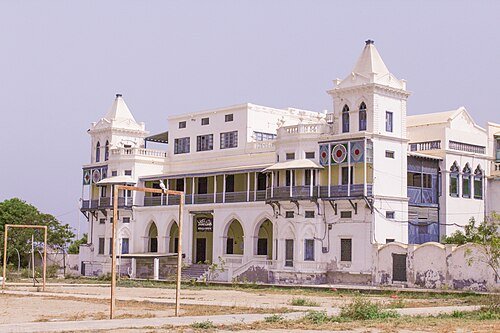
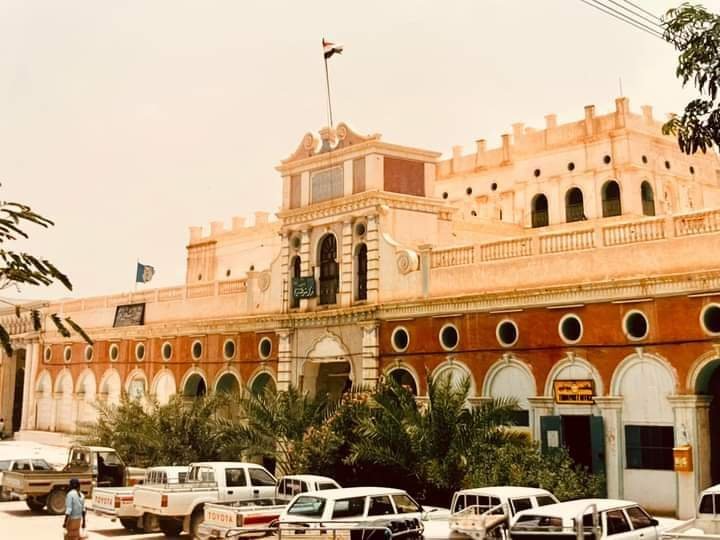
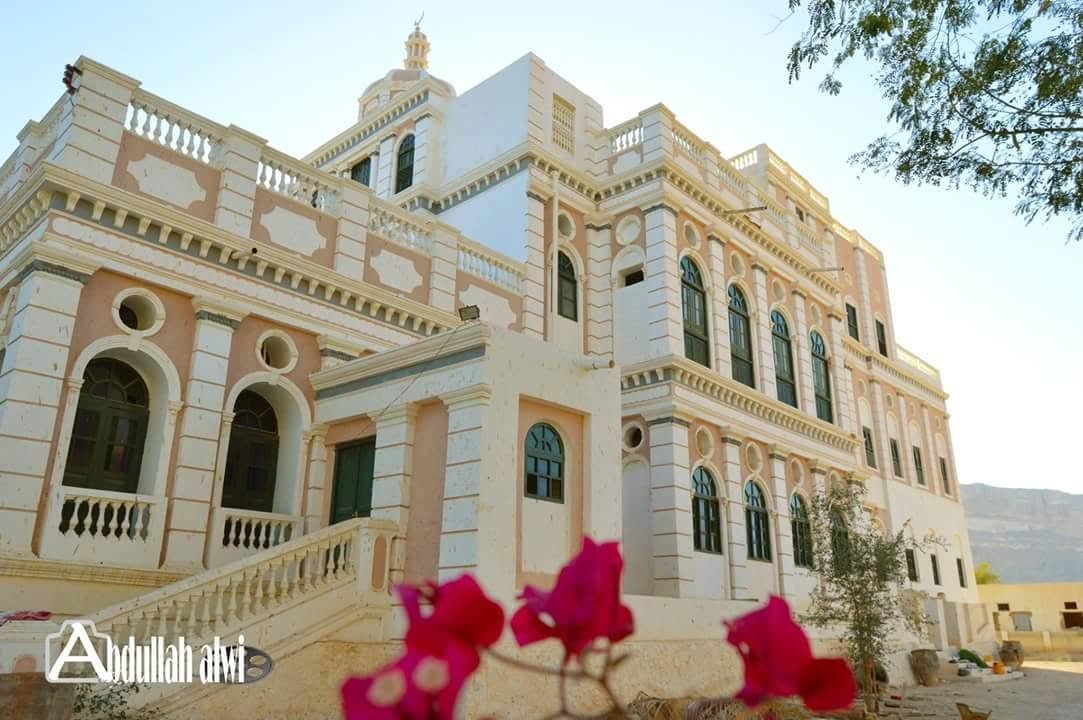
Qaiti Sultan's Palace in Mukalla, Hadramout Governorate, is one of the most prominent historical landmarks on the Hadrami coast. It was built during the Qaiti Sultanate in the first half of the 20th century and is distinguished by its location close to the sea and its architectural design, which blends Hadrami character with outside artistic influences. The palace was associated with the sultanate's political and administrative life before later becoming the home of the National Museum in Mukalla, which houses archaeological and historical artifacts reflecting aspects of Hadramout's civilization and heritage. Today, the palace stands as a testament to the city's history and its urban and political development.
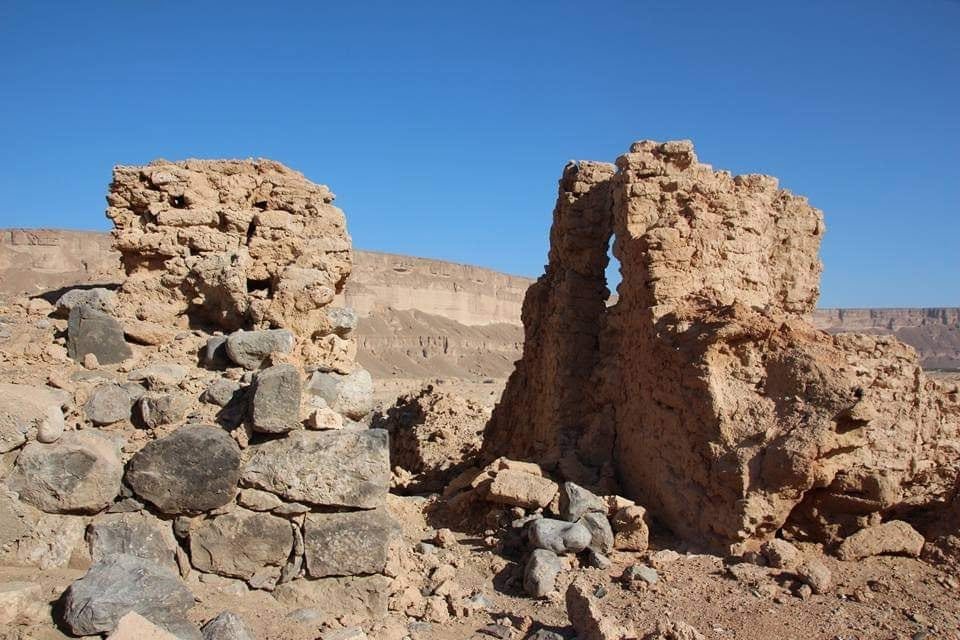
Raybun Archaeological City, located below Wadi Daw'an in Hadramout Governorate, is one of the most prominent historical sites associated with the ancient Kingdom of Hadramout. Its settlement dates back to the late second millennium BC, and it saw agricultural and religious flourishing during the first millennium BC. Archaeological excavations have uncovered remains of temples, dwellings, inscriptions and pottery, as well as an advanced network of irrigation canals and water installations. Raybun bears witness to the development of economic and urban life and religious beliefs in Hadramout before Islam, and is an important source for the study of the history of southern Arabia.
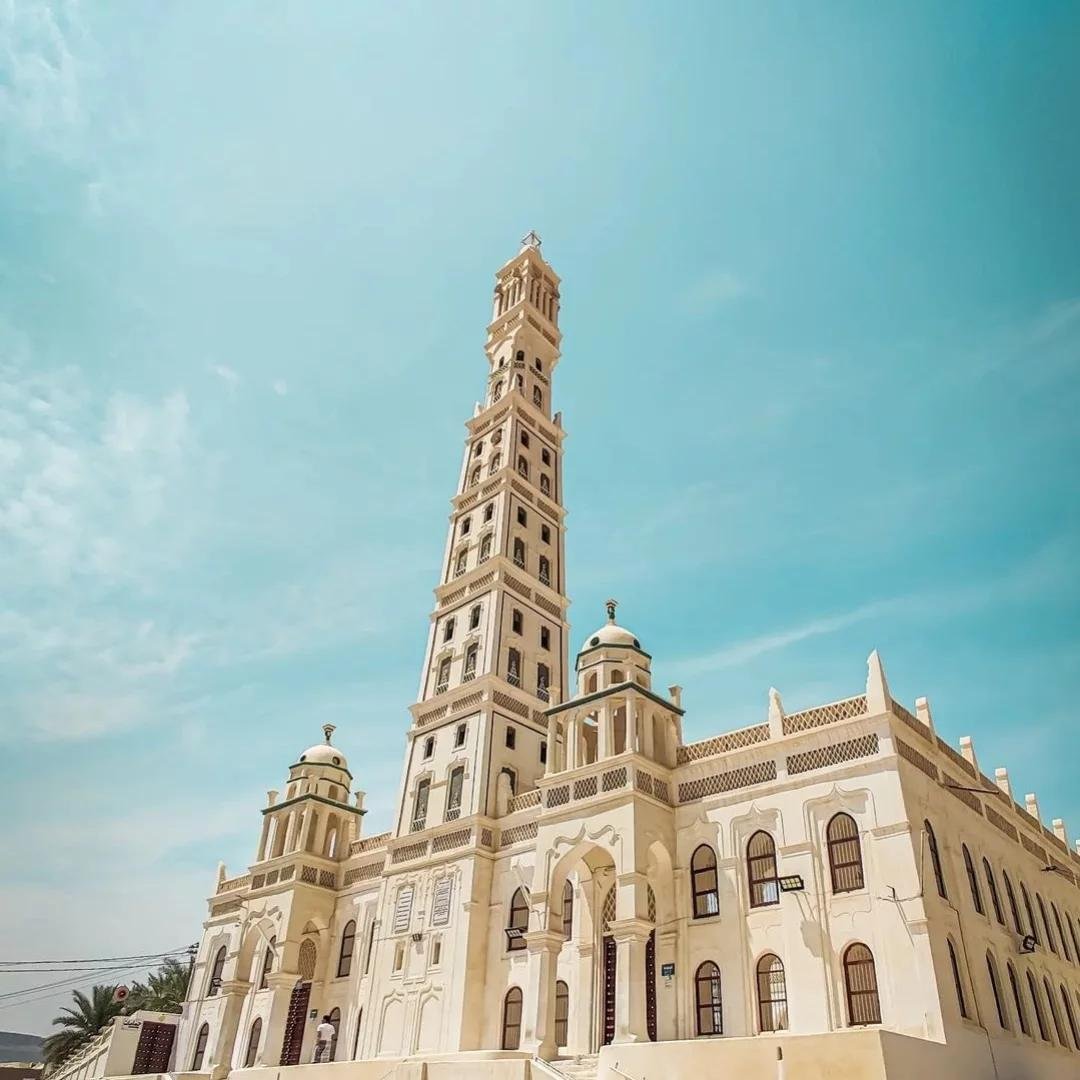
The historic Al-Mihdhar Mosque in the city of Tarim, Hadramout Governorate, is one of Yemen’s most prominent Islamic and architectural landmarks and a distinctive symbol of Hadrami mud-brick building arts. It is renowned for its towering white minaret, which stands about 53 meters high and is considered one of the most famous mud-brick minarets in the world. The mosque’s origins date back to the ninth century AH, and its name is associated with the scholar Umar al-Mihdhar bin Abdul Rahman al-Saqqaf. It acquired its prominent architectural form during renovation work in the early twentieth century. The mosque embodies Tarim’s religious and scholarly standing, as well as the skill of Hadrami architects in constructing mud-brick buildings.
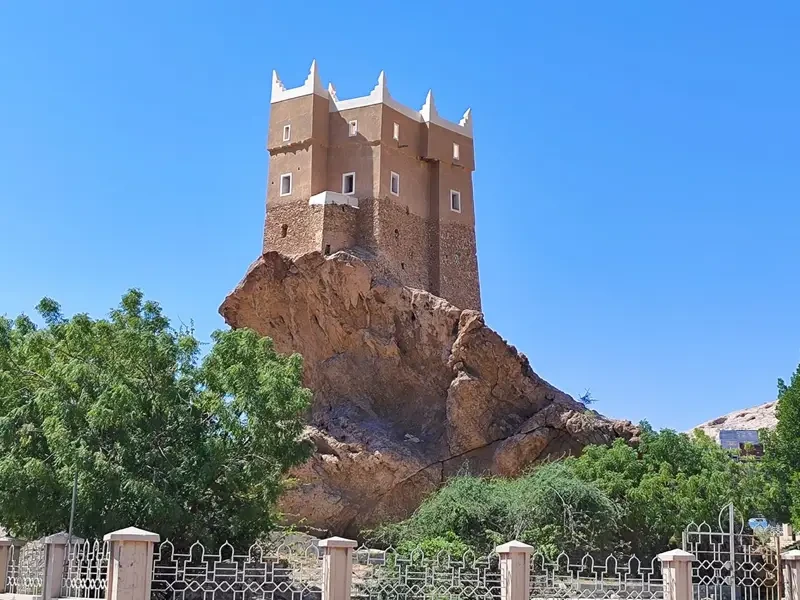
Al-Ghuwayzi Fort is one of the most prominent historical and archaeological landmarks in Mukalla City, Hadramout Governorate, and a testament to the development of defensive architecture on the Hadrami coast. The fort was built in the early eighteenth century AD, with its construction attributed to 1716, on a rocky elevation at the eastern entrance to the city, with the aim of monitoring the roads leading to it and strengthening its protection. It is distinguished by its traditional architectural design, towers and defensive openings, which reflect the skill of Hadrami builders in constructing fortified structures. The fort remains a symbol of Mukalla’s architectural and historical heritage and one of the most prominent testaments to its civilizational identity.
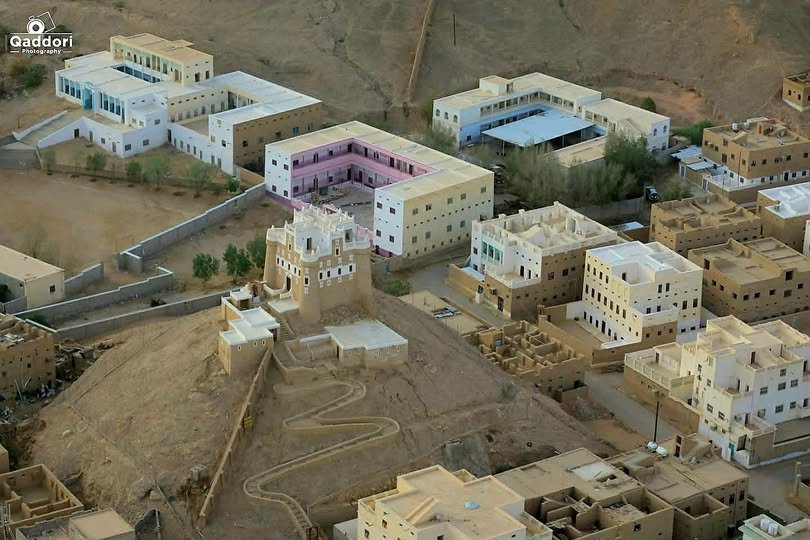
The historic Al-Falis Fortress is one of the most prominent defensive landmarks in Seiyun, Hadramout Governorate. It stands atop a rocky hill in the Al-Qarn neighborhood, east of the city. According to historical estimates, it was built in the 10th century AH, during the reign of Sultan Kathiri Badr Abu Tuwairiq or in the period that followed. The fortress served as an advanced military position to protect Seiyun and monitor its entrances, and was linked to the old city walls. Restoration and archaeological excavation works uncovered architectural remains and historical artifacts. It remains a testament to the history of military fortifications and mud-brick architecture in Wadi Hadramout.
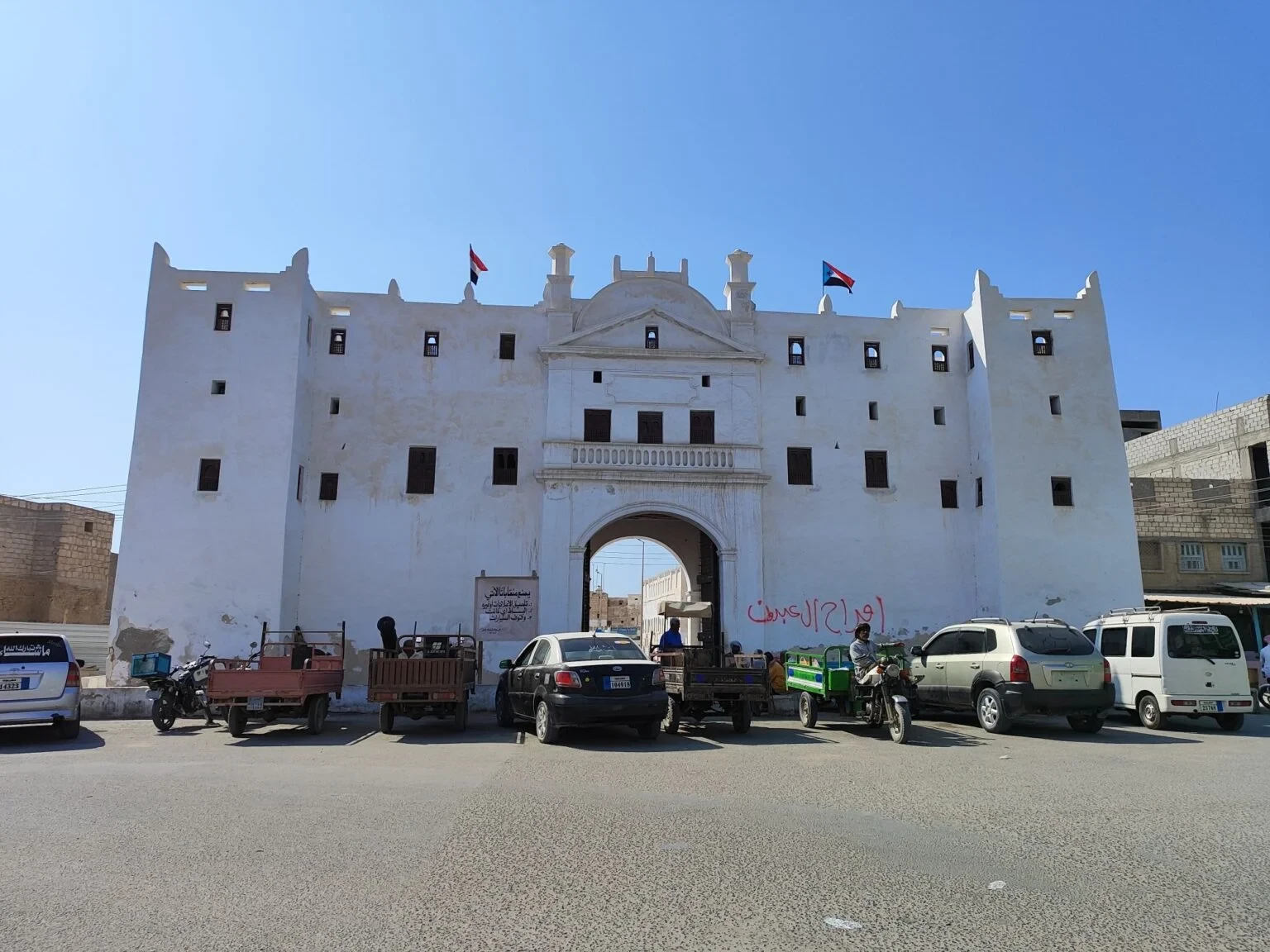
The historic Al-Aydarus Gate is one of the most prominent old gates in the city of Al-Shihr in Hadramout Governorate, and one of the most important surviving landmarks of the city’s fortifications during the Qaiti Sultanate in the 19th century. The gate is located at the northern entrance to old Al-Shihr and is named after the nearby Al-Aydarus Mosque. Its building consists of three floors, including a main entrance with wooden doors reinforced with iron, rooms, passageways and observation posts. The gate formed part of the city wall and its defensive system, and remains a testament to Al-Shihr’s commercial and military history and the traditional architecture of the Hadramout coast.
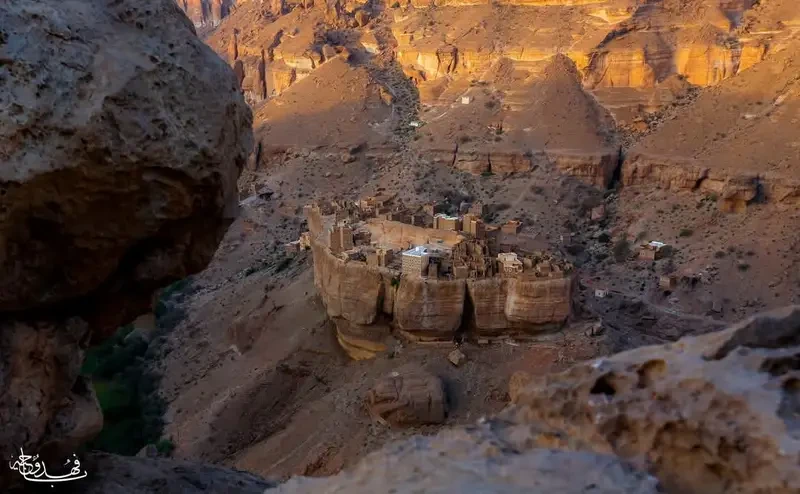
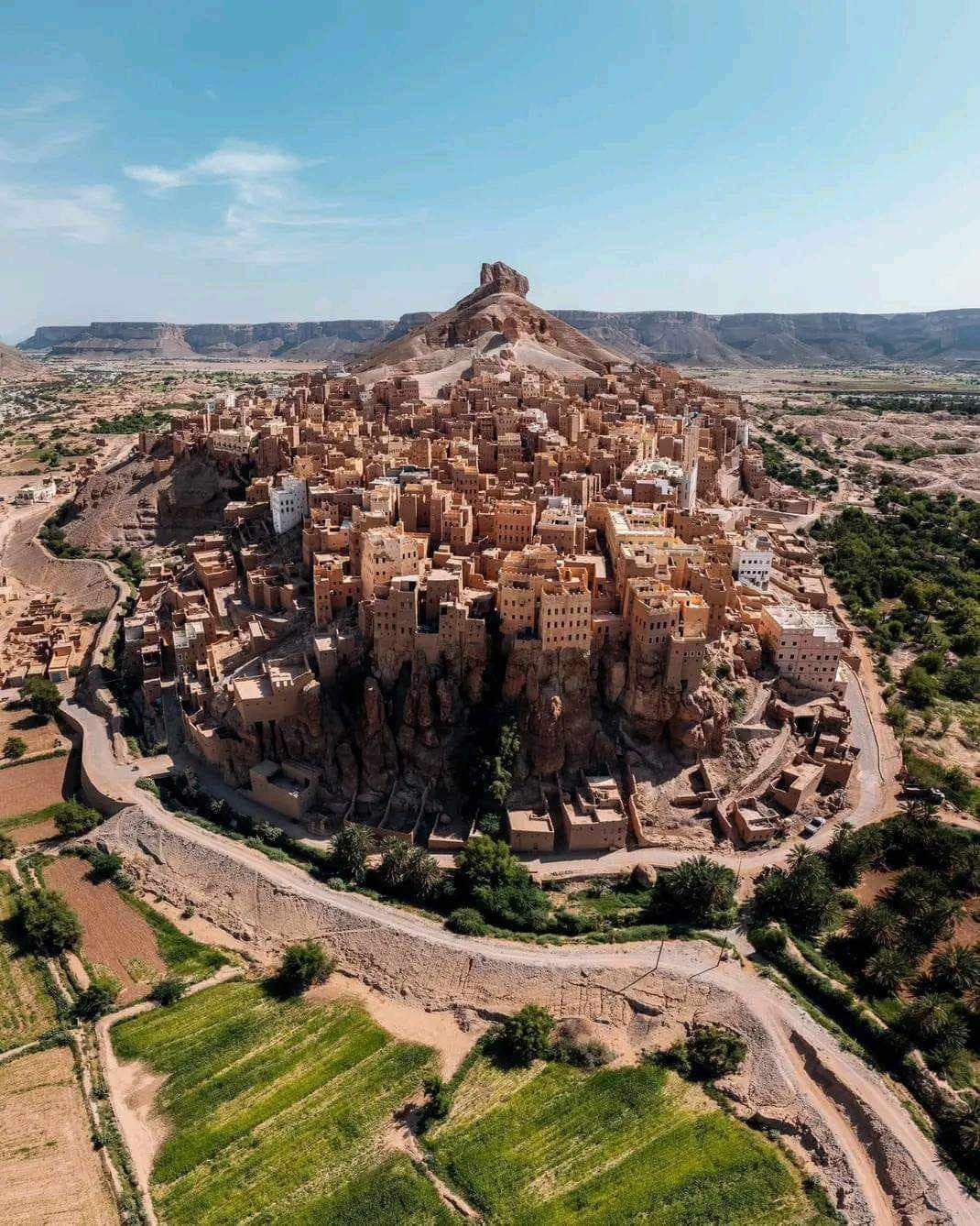
The historic village of Hayd al-Jazil, located in Wadi Daw'an in Hadramout Governorate, is one of Yemen’s most prominent architectural and natural landmarks. Its traditional mud-brick houses perch on the edge of a towering rocky outcrop overlooking the valley and palm groves. The village is distinguished by its unique urban layout, which reflects the Hadrami people’s ability to adapt to mountainous terrain and use local building materials to construct homes in harmony with the environment. Hayd al-Jazil has gained widespread renown for its exceptional natural setting and has become a symbol of the beauty of traditional Hadrami architecture and one of the most prominent heritage and tourist sites in Wadi Daw'an.
The historic Al-Rinad Palace, located in the center of Tarim in Hadramout Governorate, is one of the oldest forts and palaces associated with the city’s political and urban history. Historical accounts trace its origins to pre-Islamic times, while it underwent successive renovations during the eras of the states that ruled Tarim, most notably the Rashidi and Kathiri states. The palace is distinguished by its mud-brick buildings, traditional decorations and elevated location in the center of the old city. It served as a seat of government and administration at various points in history. Today, it stands as a testament to the development of Hadrami architecture and the changing patterns of authority and urban life in Wadi Hadramout.
Historic Qubba Palace, also known as Al-Naeem Palace, is one of the most prominent architectural landmarks in the Eidid area of the city of Tarim, Hadramout Governorate. The palace was built for Sayyid Mohammed bin Hussein Al-Kaf during the 1930s as a retreat surrounded by orchards and farms. It is distinguished by its dome atop the roof, its ornate facades, arches and columns with Asian architectural influences, as well as its garden and water pool. The palace stands as a testament to the flourishing of Hadrami architecture and its influence from the commercial and cultural ties that connected Hadramout with different parts of the world.
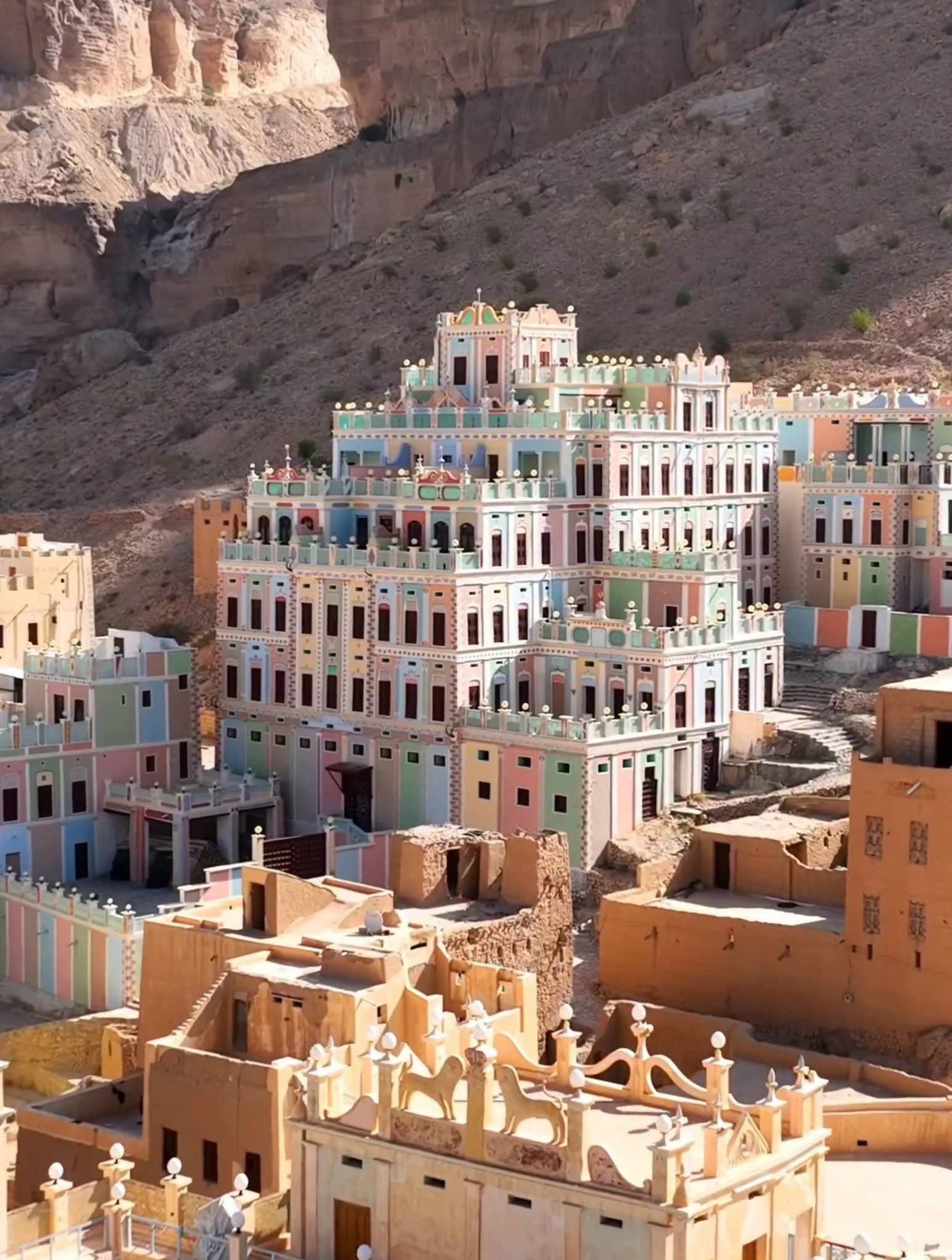
Buqshan Palace, in the Khaylah Buqshan area of Wadi Daw'an in Hadramout Governorate, is one of the most prominent architectural landmarks reflecting the beauty and development of Hadrami architecture. The palace is distinguished by its multicolored facades and harmonious geometric and decorative details, which combine traditional building elements with modern architectural influences. It stands amid a natural setting surrounded by mountains, historic villages and farms, giving it a unique visual presence. The palace has become one of the best-known architectural and tourist symbols of Wadi Daw'an and a testament to the Hadrami people's connection to the arts of building and architectural beauty.
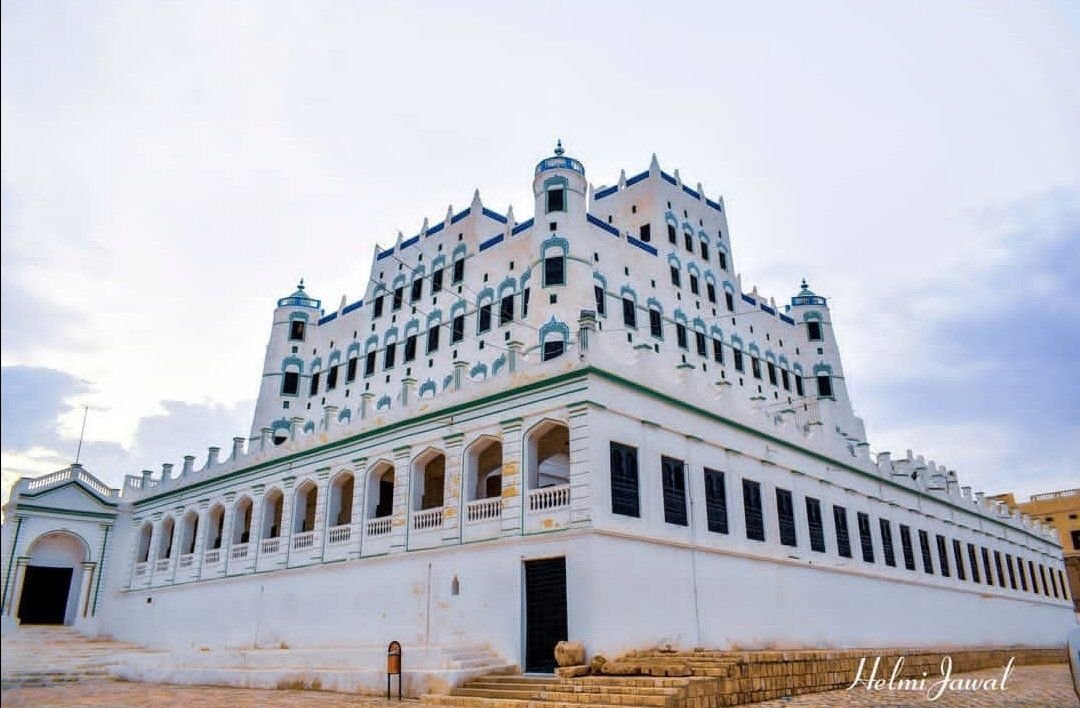
The historic Seiyun Palace, known as the Palace of the Sultan al-Kathiri, is one of the most prominent archaeological and architectural landmarks in Hadramout Governorate and a notable symbol of Seiyun’s historical identity. Standing at the center of the city, with its seven floors and distinctive white façades, the palace embodies the ingenuity of Hadrami mud-brick architecture. For centuries, it was linked to the history of the Kathiri State, serving as a seat of government and a residence for the sultans before becoming a museum landmark preserving an important part of the cultural and historical heritage of Wadi Hadramout.
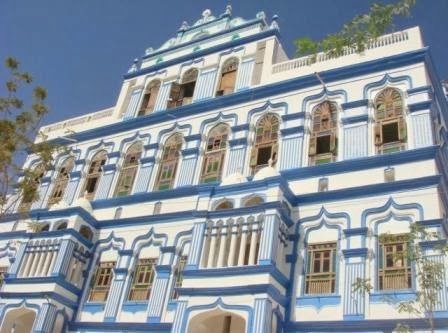
The historic Ashah Palace, located in Al-Mahdar neighborhood in the city of Tarim, Hadramout Governorate, is considered one of the most prominent masterpieces of mud-brick architecture in Wadi Hadramout. The palace was built for Sayyid Omar bin Sheikh Al-Kaf during the first decades of the twentieth century. Its architectural design combines traditional Hadrami building styles with artistic influences from Southeast Asia. The palace is distinguished by its decorated facades, arches, colorful windows and interior details, which reflect the skill of local builders and the breadth of Hadramis’ commercial and cultural ties with the world. Today, the palace stands as a testament to an important period of urban prosperity in the city of Tarim.
The historic city of Al-Hajrain is one of the most prominent ancient urban centers in Hadramout Governorate. It lies at the entrance to Wadi Daw'an, atop a rocky rise that gives it a distinctive view of the surrounding valleys and farms. The city is renowned for its closely clustered mud-brick and stone houses, traditional alleyways, and terraced urban layout, which reflect the ingenuity of the Hadrami people in adapting to the mountainous landscape. Al-Hajrain has been linked to Hadramout's social, scientific, and commercial history and has remained over the centuries a model of the traditional Hadrami city, combining historical value, architectural beauty, and an authentic cultural identity.
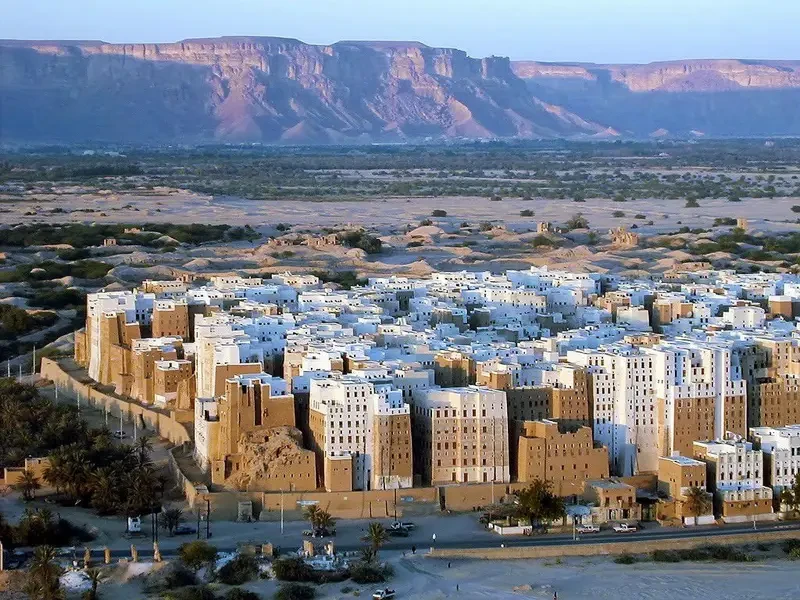
The historic city of Shibam, located in Wadi Hadramout in eastern Yemen, is considered one of the world’s most prominent archaeological cities and one of the oldest urban models based on vertical construction using mud bricks. The city is renowned for its towering residential buildings, historic walls and distinctive urban layout, earning it the title “Manhattan of the Desert.” Shibam stands as a living testament to the ingenuity of Hadrami people in architecture and urban planning. UNESCO included it on the World Heritage List in 1982, in recognition of its exceptional historical and architectural value.
Contact Alhadarmia News Agency
Do you have news, a photo or information from your area? Message us directly at 775925520