
Raybun Archaeological City
Raybun Archaeological City, located below Wadi Daw'an in Hadramout Governorate, is one of the most prominent historical sites associated with the ancient Kingdom of Hadramout. Its settlement dates back to the late second millennium BC, and it saw agricultural and religious flourishing during the first millennium BC. Archaeological excavations have uncovered remains of temples, dwellings, inscriptions and pottery, as well as an advanced network of irrigation canals and water installations. Raybun bears witness to the development of economic and urban life and religious beliefs in Hadramout before Islam, and is an important source for the study of the history of southern Arabia.
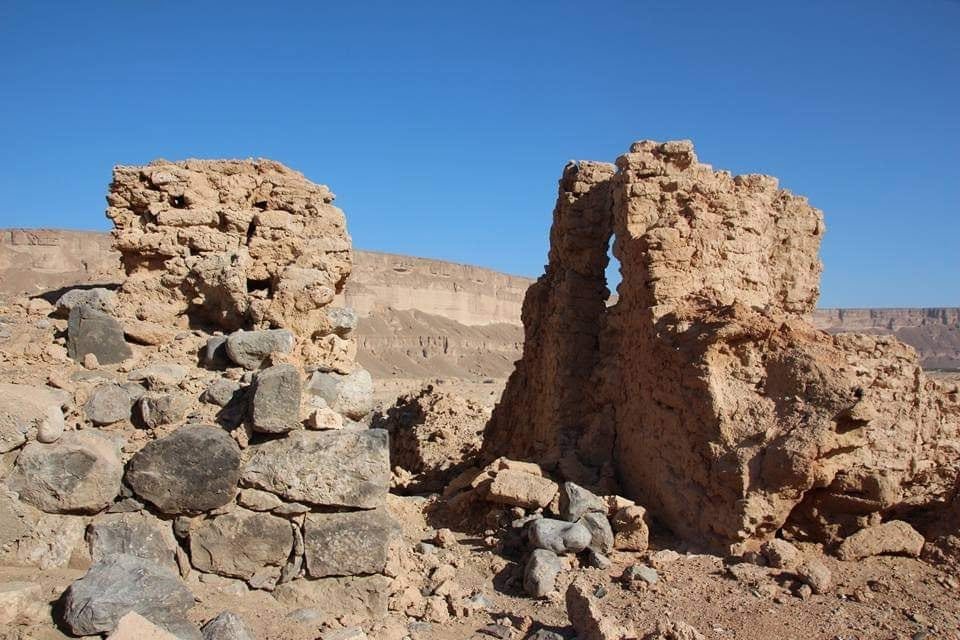
Raybun: A City of the Ancient Hadramout Civilization
Below Wadi Daw'an, near the Al-Mashhad area and the historic city of Al-Hajjarayn, the ruins of Raybun reveal one of the oldest settlements to witness the development of agricultural and urban life in Hadramout before Islam.
Although most of its features have become buried archaeological remains or are scattered across the ground, studies and excavations at the site have revealed a city with temples, houses and water installations, and which constituted an important center of the ancient Hadrami civilization.
Geographical Location
Raybun is located below Wadi Daw'an, one of the main tributaries of Wadi Hadramout, near the Al-Mashhad area and the historic city of Al-Hajjarayn.
Its location is distinguished by extensive agricultural lands and flood channels that contributed to the emergence of a community reliant on agriculture and water management.
The ruins of the city are spread across a number of archaeological mounds, surrounded by the remains of canals and irrigation installations that extended into neighboring lands.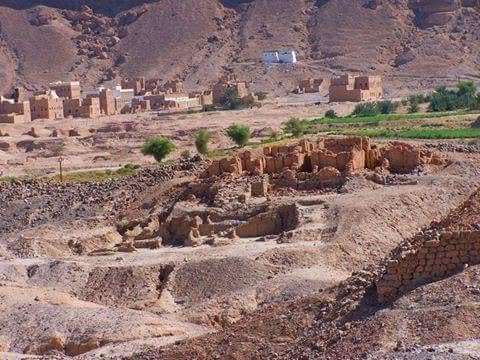
The City's Origins and Historical Roots
Archaeological studies indicate that settlement in Raybun began in the late second millennium BC, while the city underwent urban and religious expansion during the first millennium BC.
Raybun gradually developed from residential and agricultural clusters into a large settlement containing religious buildings, residential facilities and irrigation networks.
These stages reveal the continuity of human settlement in the area and the ability of its inhabitants to benefit from the valley's resources and organize economic and social life.
No specific year is available that can be adopted as a definitive date for the city's foundation.
Raybun and the Ancient Kingdom of Hadramout
Raybun was connected to the history of the ancient Kingdom of Hadramout, one of the prominent kingdoms of southern Arabia before Islam.
The inscriptions and religious buildings reveal that the site belonged to the cultural and religious milieu that prevailed in the kingdom, including the worship of the god Sin and other deities known in southern Arabia.
The city was an important agricultural and religious center, and its water installations helped support human settlement and provide the resources needed by its inhabitants.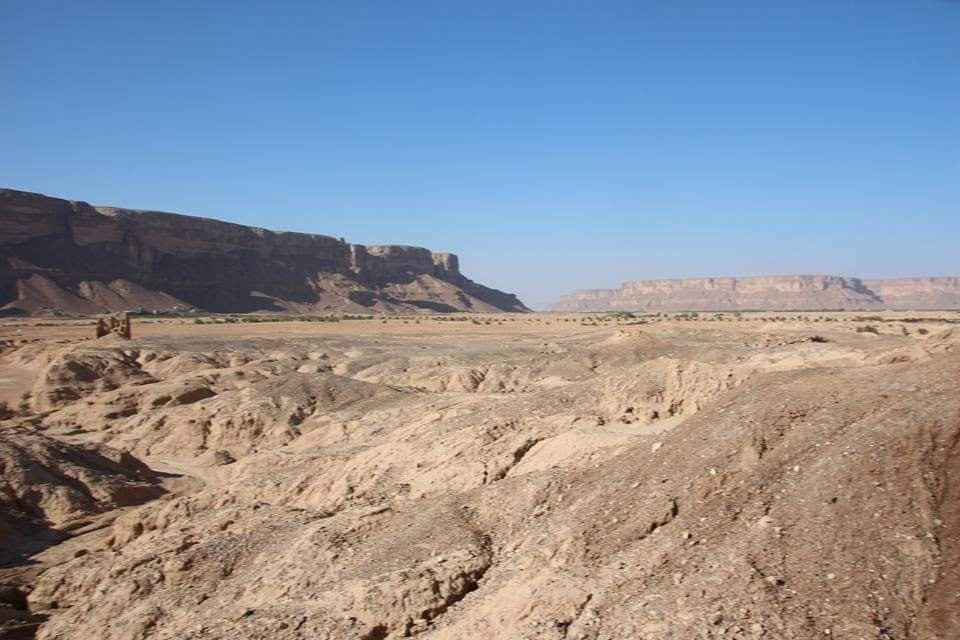
Urban Planning and Dwellings
Excavations have revealed residential clusters and buildings with different functions, indicating that Raybun was an organized settlement rather than merely a small agricultural community.
The inhabitants used mud and stone to construct buildings, with stone foundations employed in a number of important structures.
The architectural remains show spaces designated for housing and others for religious activities, in addition to installations related to water management and agriculture.
Archaeological layers have also revealed successive phases of construction and modification, reflecting the city's development over many centuries.
Temples and Religious Life
Temples are among the most prominent archaeological discoveries at Raybun, as excavations have uncovered multiple religious structures associated with the beliefs of the inhabitants of ancient Hadramout.
Temples discussed in studies include those associated with the god Sin, as well as temples bearing local names such as Hadhran and Rahban, and religious structures associated with the goddess Dhat Hamim.
Some of these temples were built on stone foundations and included courtyards, columns, entrances and other facilities.
The large number of religious structures indicates the position Raybun held in the religious life of the communities that settled in the valley.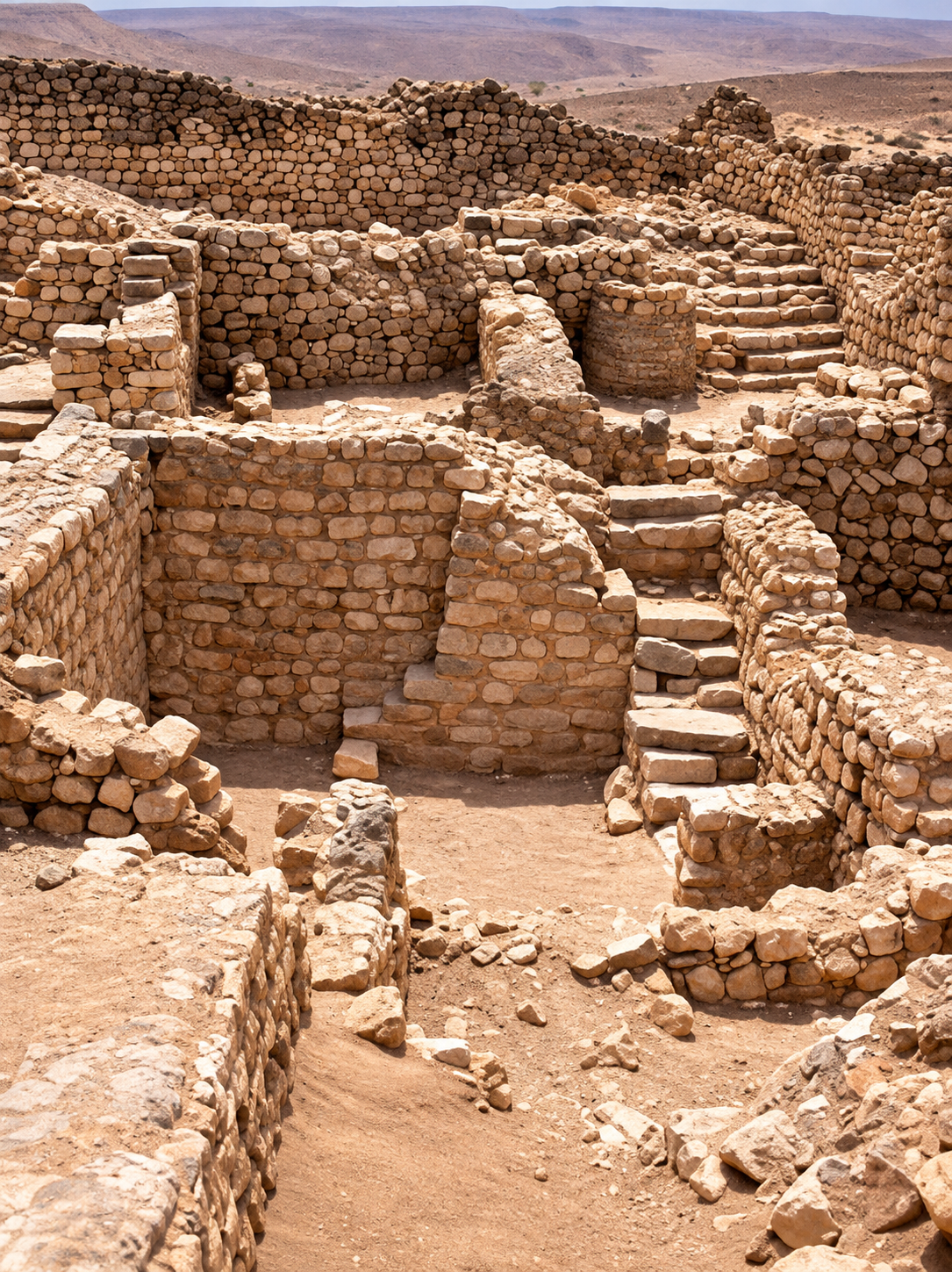
The Temple of Hadhran
The Temple of Hadhran is one of the important religious structures discussed in archaeological studies of Raybun.
Published information on the excavations indicates that the temple was built on a stone foundation and contained an entrance with columns, stairs and multiple architectural features.
Studies date one phase of its construction to the late sixth century BC, while evidence indicates that an older religious structure existed at the site.
Excavations also uncovered traces of a fire associated with the destruction of parts of the temple at a later period.
These findings provide important information about the development of religious architecture in ancient Hadramout.
Irrigation Networks and Hydraulic Engineering
Ancient irrigation networks are among the most important manifestations of Raybun's civilizational development.
The inhabitants relied on constructing canals to carry floodwater and distribute it across agricultural lands, making use of the natural features of Wadi Daw'an and the seasonal flow of water.
Studies indicate the presence of an extensive network of canals, dams and water basins connected to the agricultural fields surrounding the city.
These installations reveal advanced knowledge of water management and the organization of agricultural activity, which helped sustain settlement in an environment characterized by variable rainfall.
Economic and Agricultural Life
Agriculture formed an important basis of economic life in Raybun, alongside animal husbandry and crafts related to daily life.
The water installations and the extent of the ancient agricultural lands indicate that the city was a center for producing crops and supplying food to its inhabitants.
Pottery tools and artifacts discovered at the site also point to a range of domestic and craft activities.
Published evidence is insufficient to identify all the crops grown by Raybun's inhabitants or to estimate the scale of their trade precisely, but it confirms the existence of an organized agricultural economy.
Inscriptions and Archaeological Finds
Excavations have yielded inscriptions, pottery pieces, tools and various artifacts that have helped clarify aspects of the city's inhabitants' religious and social life.
Inscriptions are among the most important sources for studying ancient Hadramout, as they include the names of people and deities, as well as references to religious and social practices.
The pottery finds also vary in shape and color, including polished vessels in orange and red hues.
Studying these materials helps establish the chronological phases of settlement and understand the relationships between Raybun and other archaeological sites in southern Arabia.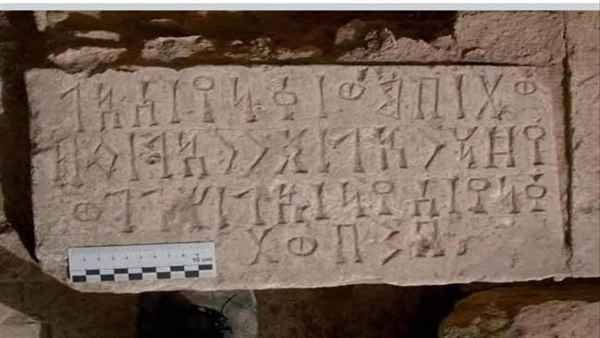
Archaeological Missions and Excavations
Raybun underwent extensive research and excavation during the 1980s, carried out by the Soviet-Yemeni archaeological mission with the participation of researchers specializing in archaeology, history, architecture and ancient languages.
The main research seasons ran from 1983 to 1991 AD, followed by further work and studies in subsequent years.
These efforts uncovered parts of residential buildings, temples and water installations, and documented a large number of artifacts and inscriptions.
These findings played an important role in reconstructing a picture of life in Wadi Daw'an during the pre-Islamic eras.
The City's Decline and Abandonment
Archaeological evidence indicates that some of Raybun's buildings were affected by fires and destruction at different stages of its history.
Some studies state that the city gradually lost its importance and that settlement in parts of it ended during the first centuries AD.
However, the reasons for its final abandonment still require further study, and its entire history of decline should not be reduced to a single fire incident without conclusive evidence.
Raybun in Modern Studies
Raybun has become an important site in archaeological studies of the ancient Kingdom of Hadramout because of the evidence it offers about settlement, agriculture and religious architecture.
Yemeni and foreign researchers have examined the excavation findings and published studies on the city's temples, inscriptions and water installations.
This research helps explain the nature of ancient communities in Wadi Hadramout and their connection to civilizational development in southern Arabia.
Challenges Facing the Site
In recent years, the Raybun area has faced risks related to agricultural expansion, excavation work and encroachments on some archaeological sites.
Researchers who visited the area in 2018 AD documented activities that raised concerns about the safety of the city's remains and buried features.
The importance of establishing clear boundaries for the archaeological site, regulating the use of the surrounding land and preventing unauthorized excavation is evident.
Protecting Raybun also requires continued scientific documentation, maintenance of exposed sites and raising awareness of its historical importance.
Historical and Civilizational Significance
Raybun's significance stems from its role as a witness to the development of agricultural and religious communities in ancient Hadramout.
The temples, inscriptions, irrigation networks and residential buildings provide a relatively comprehensive picture of a community that was able to make use of its natural environment, organize its resources and build religious and urban institutions.
The city also helps clarify the civilizational role played by Wadi Hadramout during the first millennium BC.
Raybun: A Memory of a Civilization Awaiting Further Discovery
Raybun Archaeological City remains one of the most important witnesses to the depth of Hadrami history, with its land preserving the remains of temples, dwellings, irrigation canals and inscriptions dating back to ancient times.
From its location below Wadi Daw'an, the city provides evidence of the ability of ancient Hadrami people to build a stable community, organize agriculture and water use, and develop architecture and religious life.
Preserving Raybun is a cultural and historical responsibility, not only because it is a local archaeological site, but also because it is part of the civilizational heritage of Yemen and southern Arabia.