Historic Qubba Palace
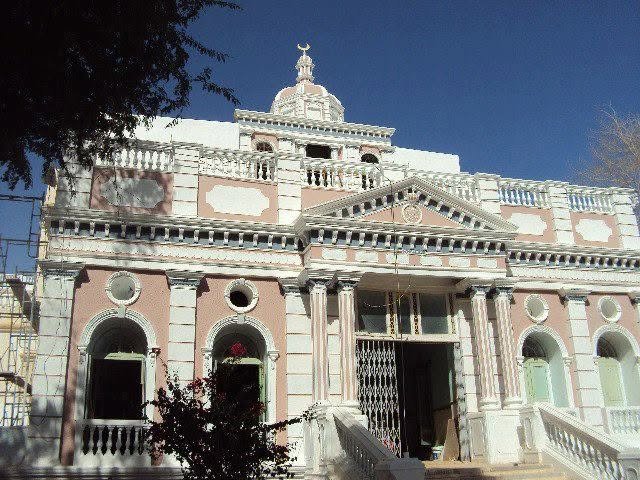
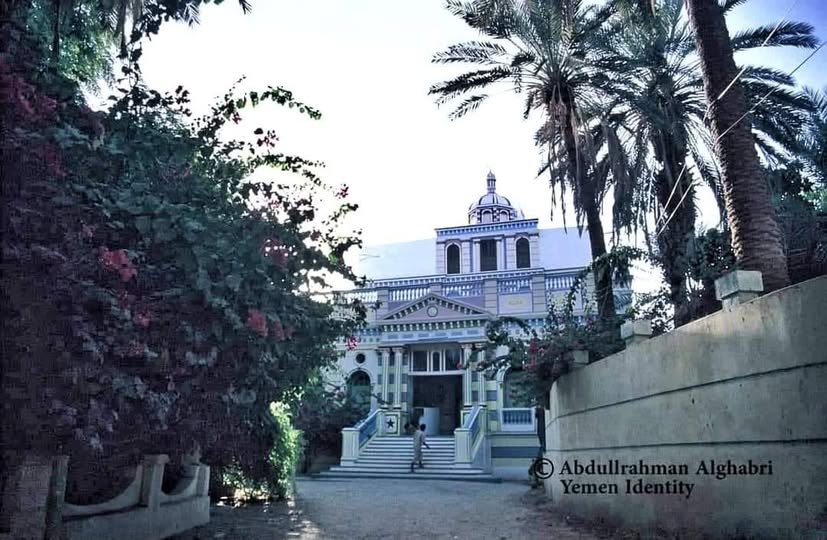
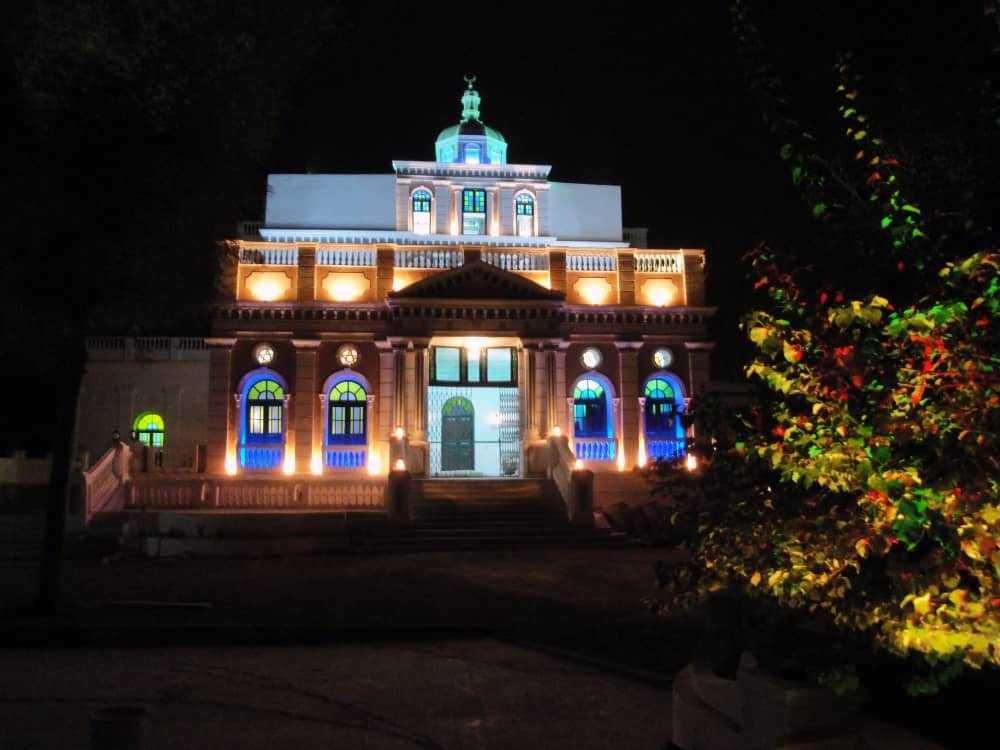
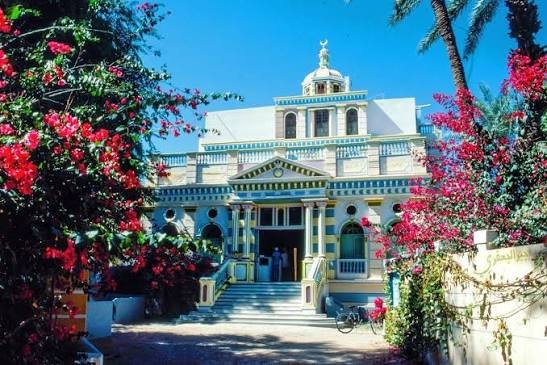
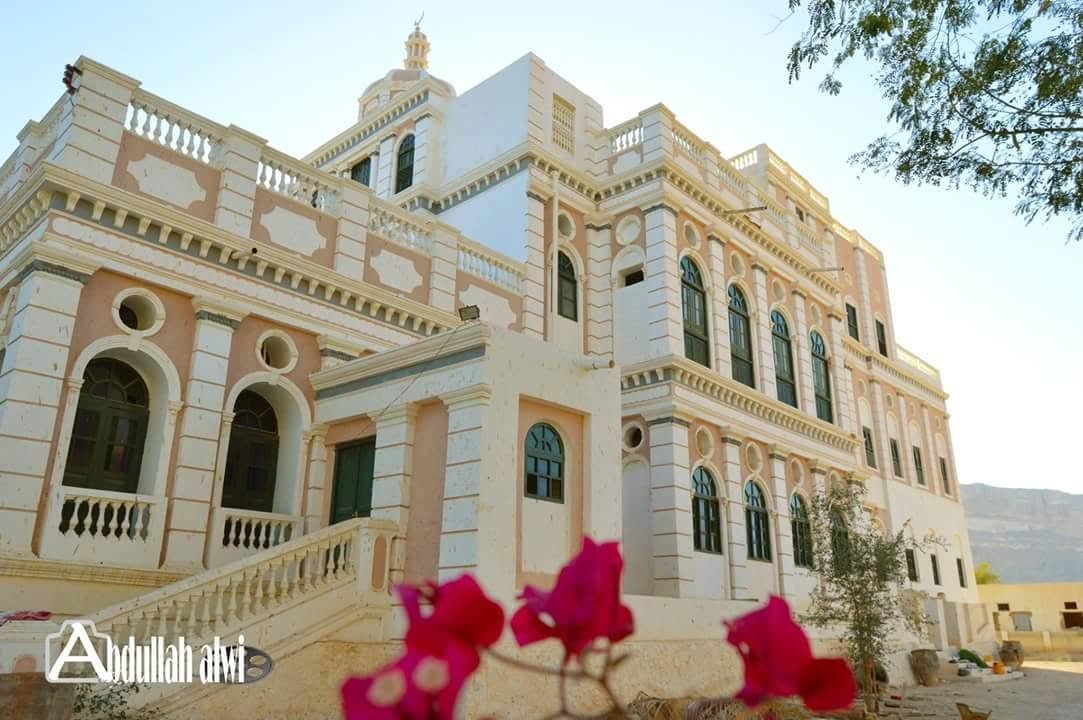
Historic Qubba Palace, also known as Al-Naeem Palace, is one of the most prominent architectural landmarks in the Eidid area of the city of Tarim, Hadramout Governorate. The palace was built for Sayyid Mohammed bin Hussein Al-Kaf during the 1930s as a retreat surrounded by orchards and farms. It is distinguished by its dome atop the roof, its ornate facades, arches and columns with Asian architectural influences, as well as its garden and water pool. The palace stands as a testament to the flourishing of Hadrami architecture and its influence from the commercial and cultural ties that connected Hadramout with different parts of the world.
Qubba Palace: A Memory of Architectural Beauty Amid Tarim’s Orchards
Amid the farms and orchards for which the Eidid area of the city of Tarim in Wadi Hadramout is known, historic Qubba Palace stands out. Also known as Al-Naeem Palace, it is one of the distinctive examples of Hadrami architecture, which brought together local building techniques and artistic influences from beyond the Arabian Peninsula.
The palace is distinguished by its dome rising above the roof, its ornate facades, arches and symmetrically arranged columns, as well as its agricultural surroundings, which formed an essential part of its design and original function.
Geographic Location and Surrounding Environment
Qubba Palace is located in the Eidid area of the city of Tarim, Hadramout Governorate, on the road leading to Hafat Al-Rawdah, amid an area known for its traditional farms and orchards.
The palace site was chosen to be relatively far from the urban density of the city center, in an environment that brings together green spaces, tranquility and the agricultural landscape of Wadi Hadramout.
This location gave the palace a distinctive character: it was not merely a residential building, but a facility designed for relaxation and enjoyment of the surrounding gardens and amenities.
Origins and Historical Background
The establishment of Qubba Palace is associated with Sayyid Mohammed bin Hussein bin Sheikh Al-Kaf, a member of the Hadrami Al-Kaf family, known for its commercial activity and contributions to urban development in the city of Tarim.
Historical sources indicate that the palace was built during the 1930s, a period that saw a notable flourishing in the construction of palaces and large houses in the city.
Sources differ on the year of its construction: some accounts give around 1931, while others point to 1936.
The palace reflects an aspect of the urban development associated with Hadrami merchant families, and was influenced by migration and economic and cultural exchange with India and Southeast Asia.
Purpose of the Palace’s Construction
Unlike some palaces built for permanent residence or for purposes of governance and administration, Qubba Palace was associated from its construction with relaxation and recreation.
Its founder chose a site amid the farms of Eidid, and the building was surrounded by gardens and orchards, with a water pool built for swimming.
Accounts published about the palace indicate that its pool was among the largest swimming pools known in the city of Tarim at the time.
This use reflects aspects of the social lifestyles of some Hadrami merchant families during the first half of the twentieth century, when gardens and retreats became part of the architectural design of large residences.
Architectural Features and Engineering Design
Qubba Palace features an architectural design that combines traditional Hadrami construction with decorative elements bearing Asian influences.
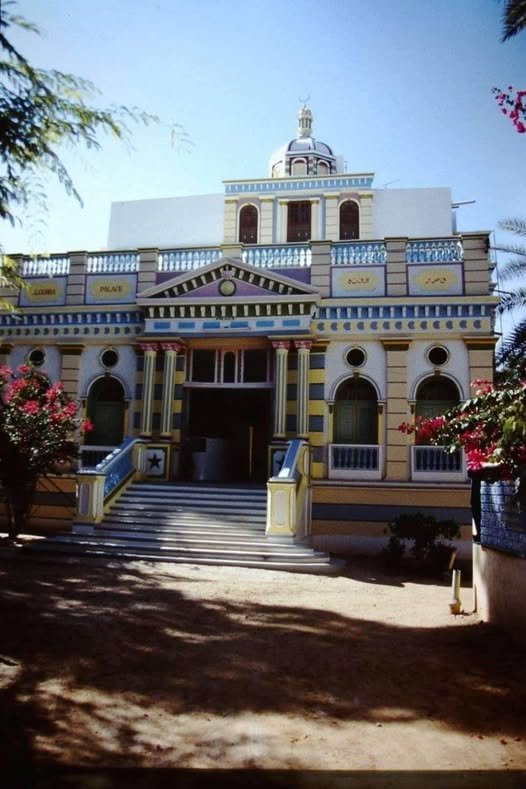
The eastern facade stands out as one of the palace’s most important facades. The main entrance is located there, approached by steps leading to the building.
The facade also features arches, columns and symmetrically arranged windows, with decorations and colors that give the palace a distinctive visual character.
A dome set on a polygonal base rises above the building’s roof; it is the architectural feature from which the palace acquired its commonly used name.
These details reflect the builders’ attention to geometric composition and decorative beauty, alongside the building’s residential and recreational functions.
The Dome and Decorative Elements
The dome rising above the palace roof is its most prominent architectural feature, forming a visual element that distinguishes it from many traditional palaces in the city of Tarim.
The dome complements the arches, columns and decorations adorning the facades in a design that combines external architectural influences with local building characteristics.
Parts of the building also feature decorations on the walls and ceilings, reflecting the skill of the artisans who worked on the architectural details and finishes.
This diversity has helped make the palace an important example for studying the development of Hadrami architecture during the twentieth century.
Gardens, Orchards and Water Pool
The agricultural spaces surrounding Qubba Palace are an essential part of its historical identity, as the building was associated from its construction with the idea of a retreat amid nature.
Sources say the palace was surrounded by a garden, orchards and tall trees, as well as a water pool intended for swimming.
These elements helped create an environment combining recreational function and architectural beauty, and made the palace one of the well-known retreats in Tarim during that period.
This design also illustrates the importance of the relationship between buildings and gardens in some Hadrami palaces, where outdoor spaces were not mere additions, but part of the overall site plan.
Asian Influences in Hadrami Architecture
During the late nineteenth century and the first half of the twentieth century, the city of Tarim experienced architectural development linked to Hadrami migration to India and Southeast Asia.
Migrants and merchants helped bring new architectural ideas to the cities of Hadramout. These appeared in the design of palaces and large houses through arches, columns, balconies and varied decorations.
Qubba Palace is one example of this cultural interaction, in which traditional Hadrami building methods were combined with decorative elements inspired by imported architectural styles.
This intermingling highlights local artisans’ ability to absorb external influences and incorporate them into buildings suited to the local environment and climate.
The Palace and Political and Social Changes
Qubba Palace underwent changes in use in the decades following its construction, alongside the political changes experienced by Hadramout and South Yemen.
Local sources say the palace was nationalized during the period of socialist rule in South Yemen and was later used as a hotel facility to receive visitors and guests.
This change reflects the building’s transition from a private retreat to public uses, like a number of palaces in Tarim whose functions changed during the twentieth century.
No sufficiently reliable recent information is available to conclusively determine its current operating status.
Historical and Cultural Significance
The significance of Qubba Palace stems from its standing as a testament to a period of urban and economic prosperity in the city of Tarim, and to the role played by Hadrami merchant families in developing the city’s architectural landscape.
It is also a distinctive example of palaces that combined residential and recreational functions, and local architecture with external cultural influences.
Its value is evident in its decorative details, architectural dome and historic gardens, which reflect an integrated vision of the building and its natural surroundings.
Preserving the Palace and Its Architectural Identity
Preserving Qubba Palace requires attention to its structural and decorative elements, particularly because historic buildings constructed with traditional materials are affected by rain, humidity and climate variations.
It is also important to document the dome, facades, arches and interior decorations, as well as to study what remains of the gardens and water pool associated with its original function.
Preserving the relationship between the palace and its agricultural surroundings is an important aspect of safeguarding its historical value, because the nature of the site was an essential part of the purpose for which it was built.
Qubba Palace: A Testament to Building Arts and the Beauty of Life in Tarim
Historic Qubba Palace remains one of the distinctive architectural landmarks in the city of Tarim, bringing together decorations, a prominent dome and gardens associated with the history of social life in Wadi Hadramout.
From its location in the Eidid area, the palace embodies a period in which Hadrami architects were able to blend local building materials with imported artistic influences, constructing buildings that reflect the region’s aesthetic sensibility and cultural openness.
Documenting and preserving this landmark is part of efforts to safeguard Hadrami architectural heritage and highlight its diversity and richness for future generations.
Photo gallery