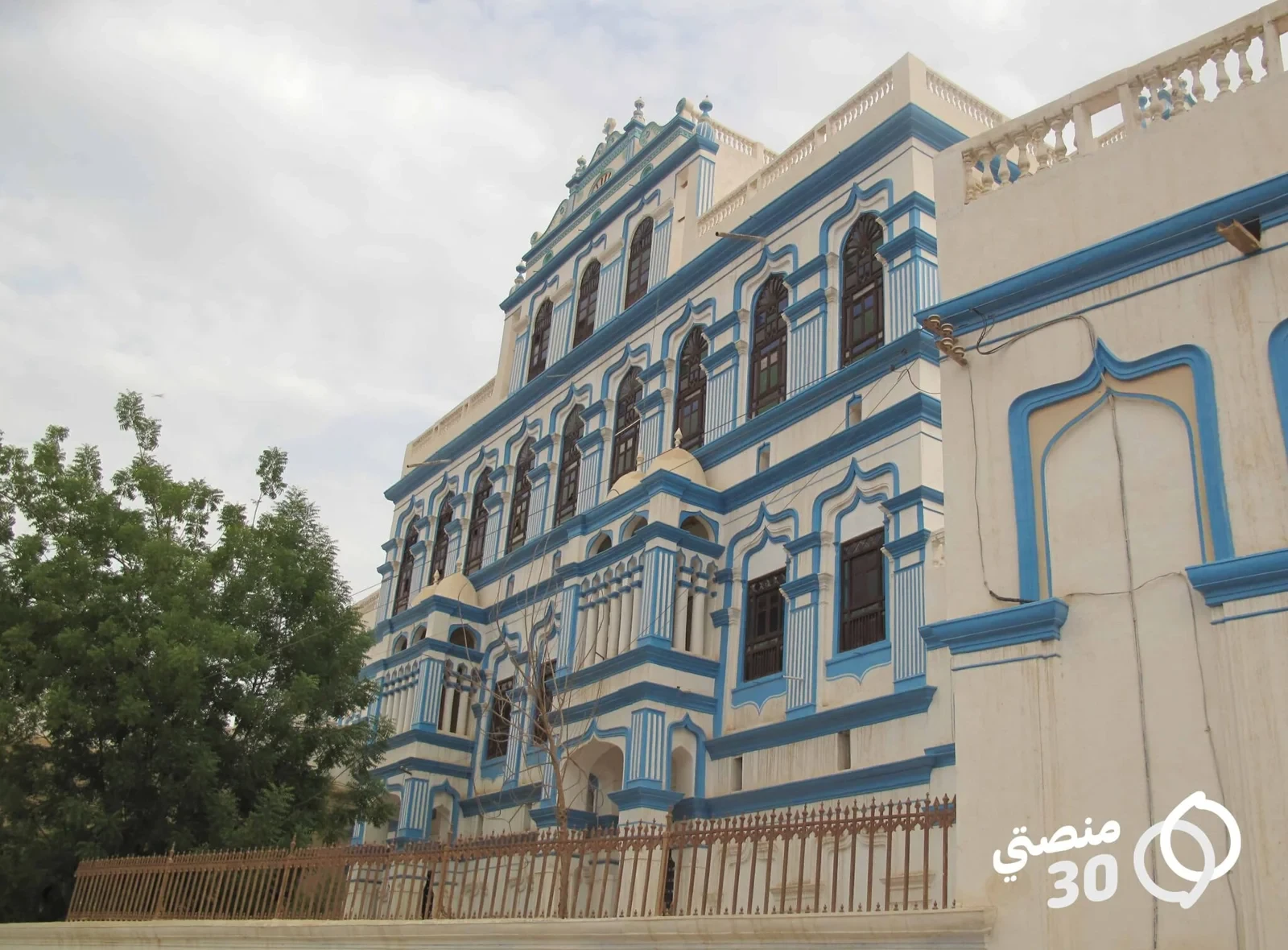
Ashah Historic Palace
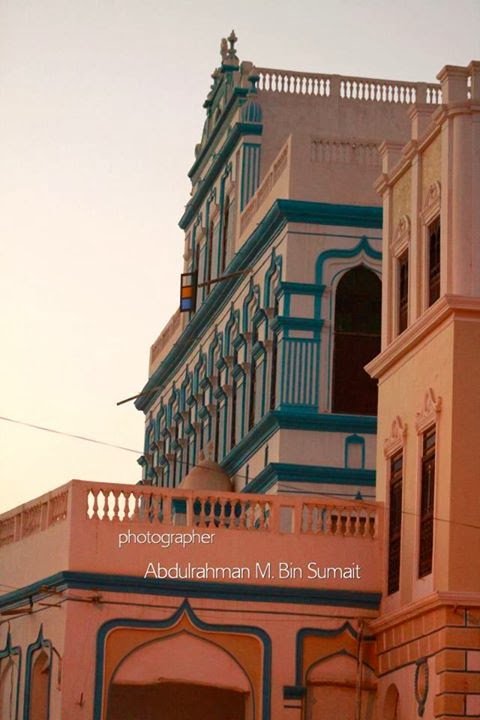
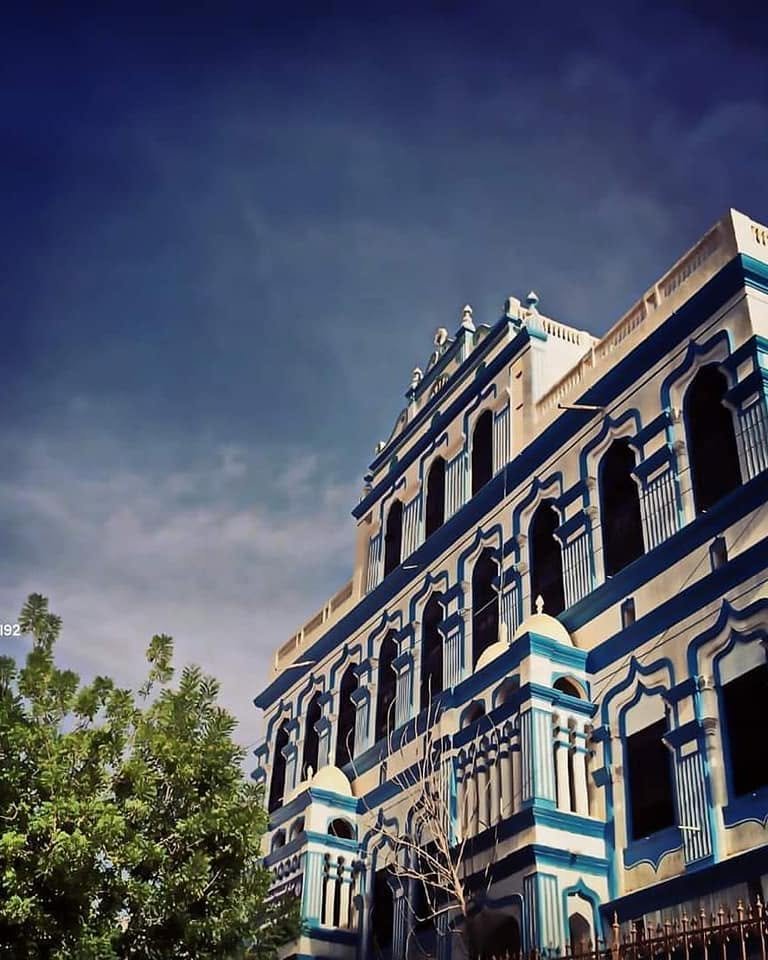
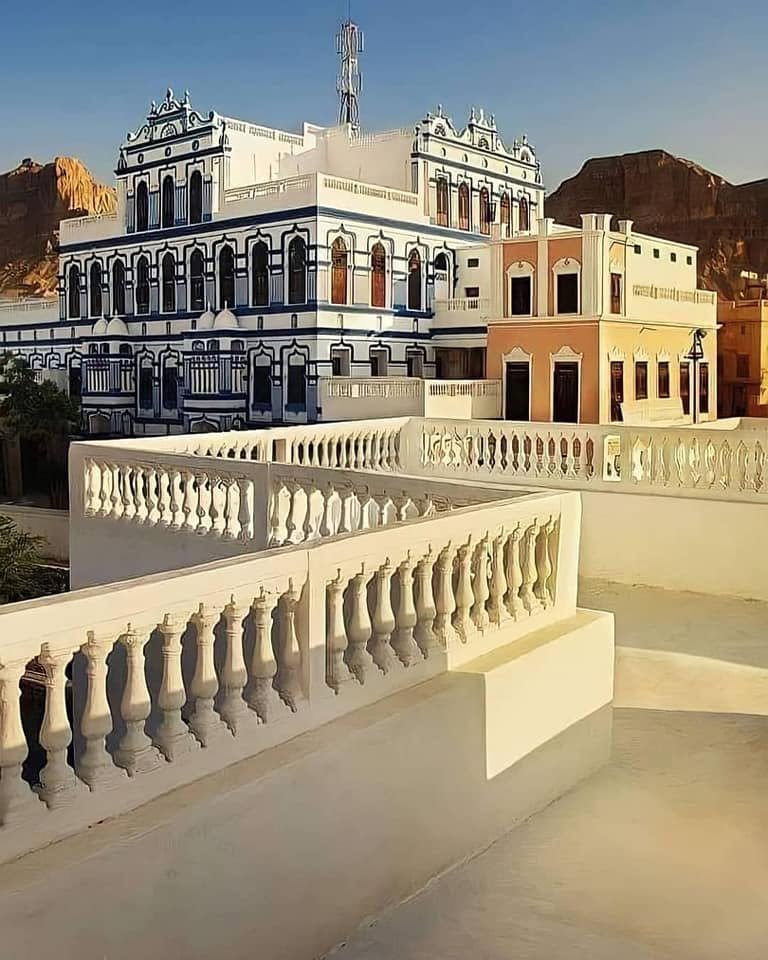
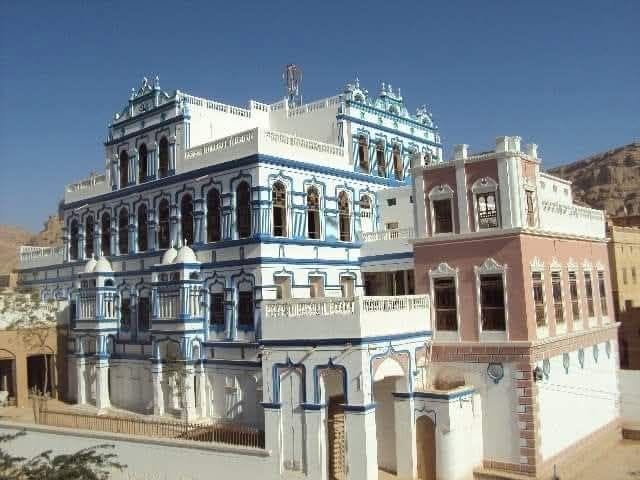
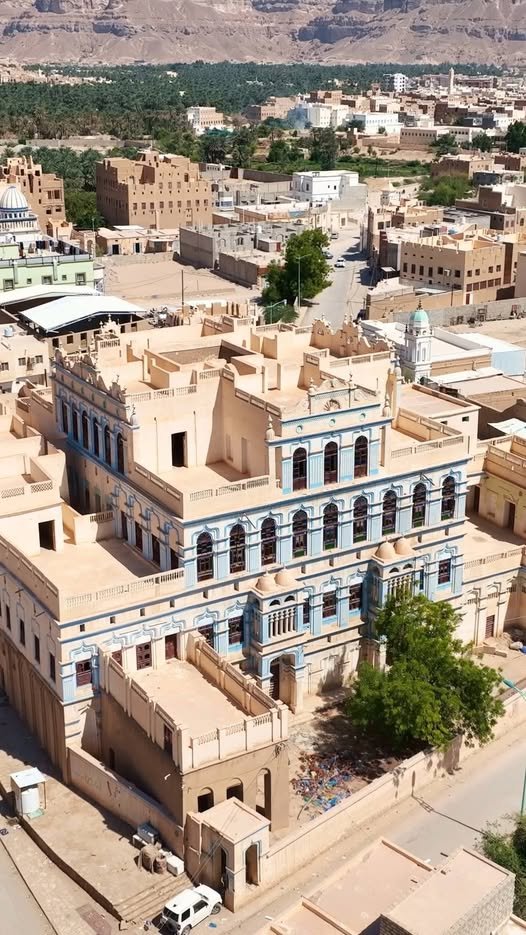
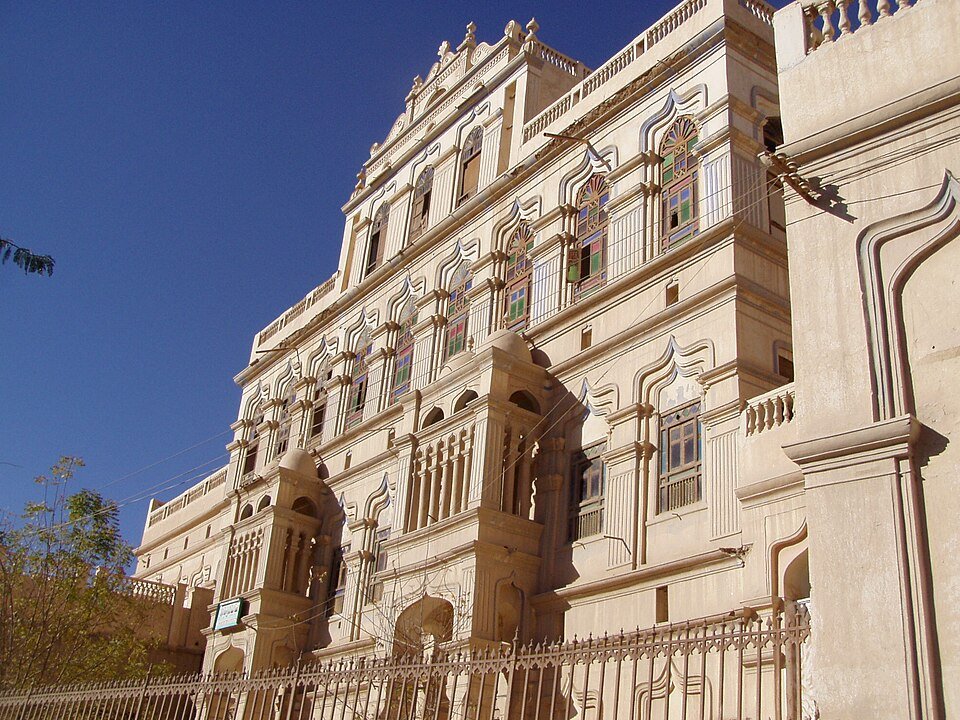
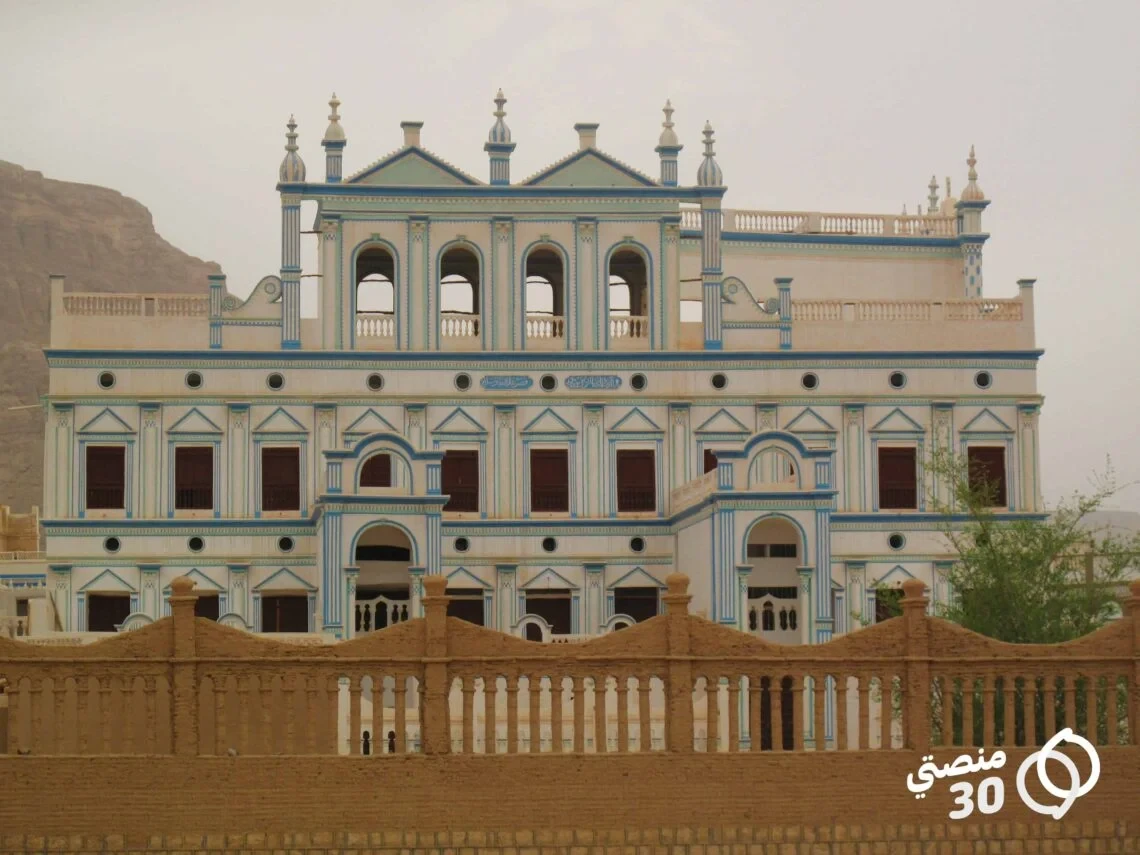
The historic Ashah Palace, located in Al-Mahdar neighborhood in the city of Tarim, Hadramout Governorate, is considered one of the most prominent masterpieces of mud-brick architecture in Wadi Hadramout. The palace was built for Sayyid Omar bin Sheikh Al-Kaf during the first decades of the twentieth century. Its architectural design combines traditional Hadrami building styles with artistic influences from Southeast Asia. The palace is distinguished by its decorated facades, arches, colorful windows and interior details, which reflect the skill of local builders and the breadth of Hadramis’ commercial and cultural ties with the world. Today, the palace stands as a testament to an important period of urban prosperity in the city of Tarim.
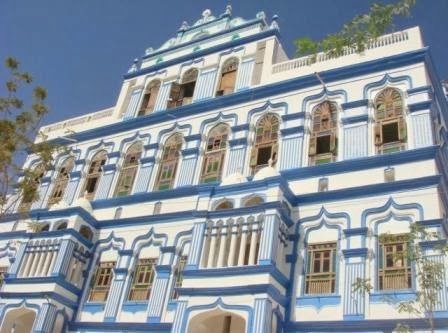
Ashah Palace.. When Mud-Brick Architecture Became a Work of Art
In the historic city of Tarim in Wadi Hadramout, where mosques, minarets and mud-brick palaces stand side by side, Ashah Palace stands out as one of the city’s most distinctive architectural landmarks, with its geometric decorations, colors and artistic details reflecting an important period in the city’s urban and cultural history.
The palace represents an example of the interaction between Hadrami building traditions and architectural influences that reached the region through migration and trade, particularly from India and Southeast Asia. It is a testament to the ability of local architects to bring together authenticity and innovation.
Geographical Location and Surrounding Environment
Ashah Palace is located in Al-Mahdar neighborhood in the city of Tarim, one of the most prominent historic urban centers in Wadi Hadramout in eastern Yemen.
Its location is part of the city’s traditional urban fabric, which includes a number of historic palaces and houses, mosques and educational institutions, and reflects successive stages of urban development.
The nature of the city of Tarim—with its urban sprawl, local building materials and inherited craft skills—helped give rise to unique architectural examples, among the most prominent of which was Ashah Palace.
Origins and Historical Background
The establishment of Ashah Palace is associated with Sayyid Omar bin Sheikh Al-Kaf, a member of the Hadrami Al-Kaf family, which was known for its commercial and economic activities and contributions to urban and social projects in the city of Tarim.
Sources say the palace was built during the first decades of the twentieth century, a period when the city experienced notable construction activity associated with the return of a number of Hadrami merchants and migrants who had gained experience and wealth through their economic activities outside Yemen.
Accounts differ regarding the year construction of the palace began. While some sources point to 1920, others say construction began around 1925 and was completed in 1930.
This difference reflects the importance of regarding the palace’s history as the product of phases of construction and development, rather than limiting its origins to a single, disputed year.
Origin of the Name Ashah Palace
Local sources offer two accounts of the palace’s name.
One suggests that the name derives from “Bir Ashah” (Ashah Well) or the agricultural land on which the building was erected, while another says its owner chose the name as an expression of modesty, likening it to a small palace or a bird’s nest.
The account linking the name to the agricultural land remains one of the explanations cited in studies and sources on Tarim’s palaces, with no definitive evidence ruling out the other accounts.
Architectural Design and Building Arts
Ashah Palace is distinguished by an architectural design that combines traditional Hadrami character with incoming artistic influences, as seen in the forms of its facades, arches, balconies, windows and decorations.
Builders used local materials in its construction, chiefly mud, straw, gypsum and stone, while imported elements were used in some doors, windows, and glass and metal fittings.
The palace highlights the craftspeople’s ability to use traditional building materials to execute complex geometric and decorative details, reflecting the advanced level reached by building skills in Tarim during that period.
Its design also reflects an emphasis on balancing aesthetic qualities with residential functions, through the arrangement of interior spaces, the distribution of openings, and the use of ventilation and lighting features.
Asian and Colonial Influences
Ashah Palace is one of the prominent examples of architectural influences that reached Hadramout through contact with India and Southeast Asia during the nineteenth and twentieth centuries.
These influences can be seen in some of the arches, decorative details, and forms of the balconies and windows, as well as in the use of colors, glass and elements inspired by the architectural styles of the areas where Hadrami migrants settled.
These influences did not erase the palace’s local identity. Instead, they blended with Hadrami mud-brick building techniques to produce an architectural style that expresses cultural exchange between Hadramout and the world.
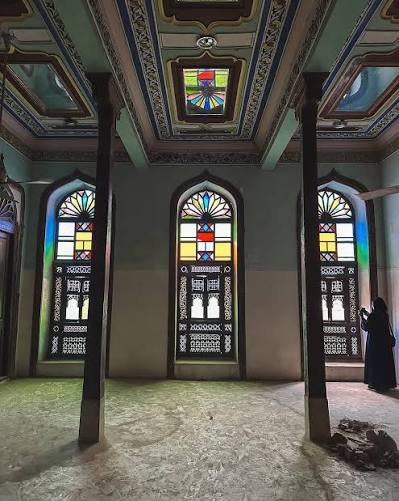
Interior Decorations and Colors
The interior decorations are among the most prominent features that give Ashah Palace its artistic character.
Some parts of the palace feature a variety of colors, geometric decorations and gypsum details, alongside stained-glass windows that give the interior spaces a distinctive visual character.
These elements reflect an interest in architectural beauty and show that Hadrami palaces were not merely large residential buildings, but also spaces in which craftspeople could display their design and decorative skills.
These characteristics have helped make the palace an example cited in studies of the interaction between traditional Hadrami architecture and external architectural styles.
The Role of Local Architects and Craftspeople
Local sources attribute the palace’s design to Alawi bin Abi Bakr Al-Kaf, known as Al-Khudayb, and mention master builder Ya'mar Bahuraysh among those who took part in its construction.
These names reflect the role played by local architects and craftspeople in developing the building arts in the city of Tarim and turning architectural ideas and influences into standing structures using materials and techniques available in the Hadrami environment.
They also demonstrate the importance of inherited expertise in constructing mud-brick palaces, a task requiring detailed knowledge of material properties, load distribution, and the shaping of roofs, walls and decorations.
The Palace and Hadrami Migration
The flourishing of Tarim’s palaces was linked to the extensive commercial activity of Hadrami migrants, who established economic and social networks in various parts of the world.
The Al-Kaf family was among the families that rose to prominence during this period, and its commercial activity helped fund buildings and urban projects in the city.
The family’s palaces, including Ashah Palace, embody one aspect of the impact of these external connections on the local urban environment: ideas, designs and materials reached Hadramout and were adapted to local building traditions.
Thus, the palace is a testament to economic and cultural history, in addition to its direct architectural value.
Historical and Cultural Significance
Ashah Palace is significant as one of the distinctive examples of twentieth-century Hadrami mud-brick architecture and because of its connection to the history of a merchant family that helped shape part of the urban landscape of the city of Tarim.
The palace also provides important material for studying cross-border architectural influences and how they were incorporated into traditional cities.
Its cultural value is evident in its place among the group of historic palaces in Tarim, which document a period of economic and urban prosperity experienced by the city during the late nineteenth century and the first half of the twentieth century.
The Palace and Cultural Activities
Ashah Palace’s significance was not limited to its architectural value; it also became a venue for cultural and heritage activities.
In April 2025, the palace hosted a cultural event marking World Heritage Day and the Himyarite New Year. It included a seminar addressing aspects of ancient Yemeni history, inscriptions and the calendar.
Holding events such as these reflects the potential to use historic buildings to introduce heritage and strengthen the local community’s connection to its urban landmarks.
Challenges in Preserving the Palace
Historic mud-brick buildings in Hadramout face challenges related to climate conditions and the effects of rain and humidity, in addition to the ongoing need for maintenance and restoration.
The importance of preserving Ashah Palace is highlighted by the need to document its architectural and decorative details and carry out maintenance using materials and methods suited to the building’s original nature.
Protecting the palace also requires attention to its wooden, glass and gypsum elements, given their artistic and historical value, while avoiding interventions that could affect its architectural identity.
Supporting craftspeople specializing in mud-brick construction and traditional restoration is an important component in sustaining efforts to preserve this type of landmark.
Ashah Palace.. An Architectural Memory That Tells of Hadramout’s Openness to the World
Ashah Palace remains one of the most prominent testaments to the development of Hadrami architecture in the city of Tarim, and to the interaction between local expertise and cultural influences brought by trade and migration.
Between its mud-brick walls, colorful decorations and geometric details, it embodies a historical period in which the people of Hadramout brought together inherited building traditions and new artistic styles.
Preserving the palace means preserving part of Hadramout’s urban and cultural memory, as well as an architectural example reflecting the skill of local builders and the region’s far-reaching cultural connections with the world.
Photo gallery