Historic Al-Rinad Palace
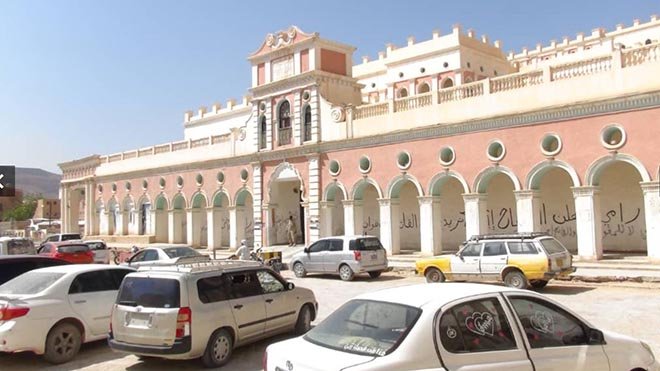
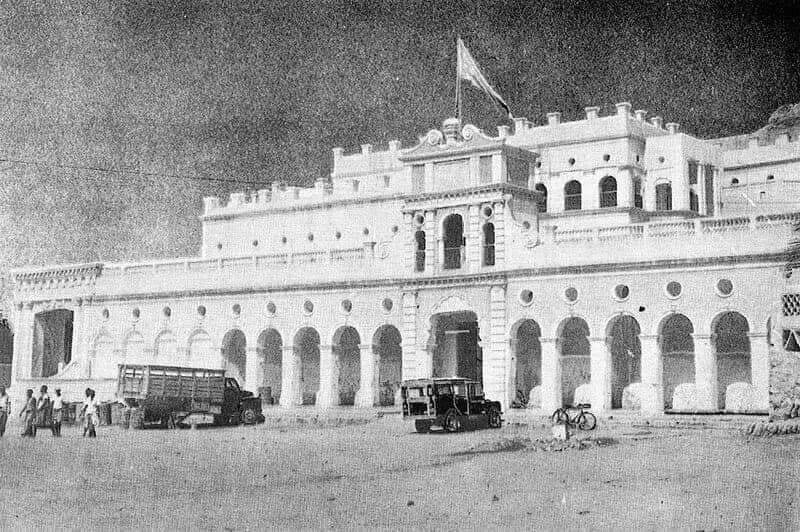
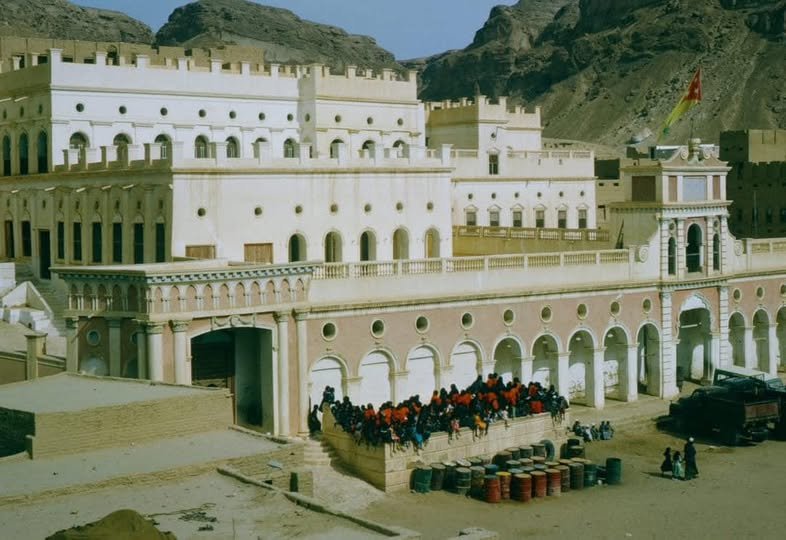
The historic Al-Rinad Palace, located in the center of Tarim in Hadramout Governorate, is one of the oldest forts and palaces associated with the city’s political and urban history. Historical accounts trace its origins to pre-Islamic times, while it underwent successive renovations during the eras of the states that ruled Tarim, most notably the Rashidi and Kathiri states. The palace is distinguished by its mud-brick buildings, traditional decorations and elevated location in the center of the old city. It served as a seat of government and administration at various points in history. Today, it stands as a testament to the development of Hadrami architecture and the changing patterns of authority and urban life in Wadi Hadramout.
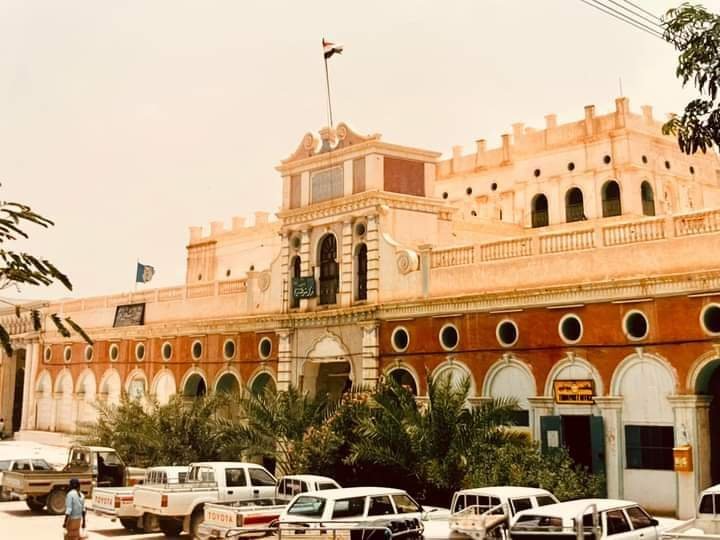
Al-Rinad Palace.. A memory of governance and history in the heart of Tarim
In the heart of the historic city of Tarim in Wadi Hadramout stands Al-Rinad Palace, one of the most prominent architectural witnesses to the succession of states and political changes the city has experienced over many centuries. It combines the functions of a defensive fort and a seat of government and administration with the artistic value of Hadrami mud-brick architecture.
The landmark is also known as “Al-Rinad Fort.” Its history is linked to multiple stages in the development of Tarim, and it remains one of the city’s most prominent urban and political symbols.
Geographical location and historical significance
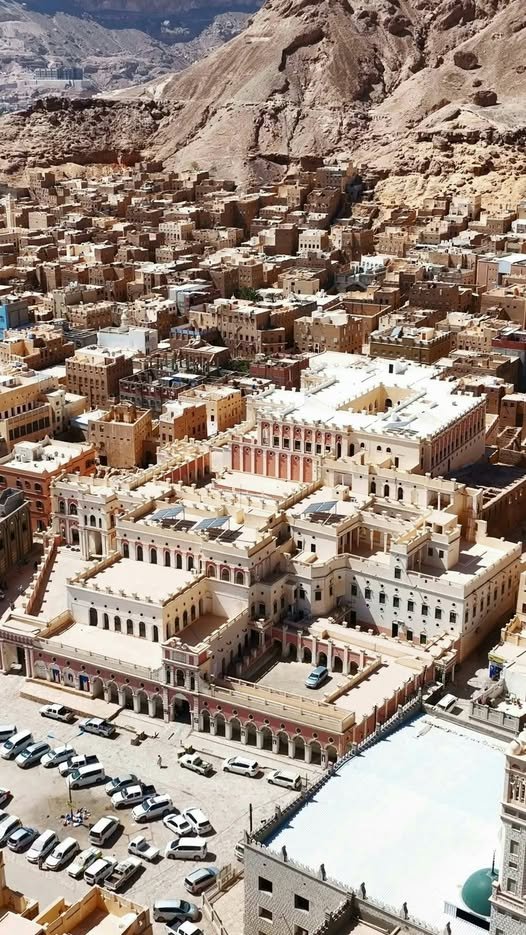
Al-Rinad Palace is located in the center of old Tarim, near Tarim Mosque, on a natural rise within the city’s historic urban fabric.
This location gave the palace strategic importance, as it provided a view over the surrounding areas and helped establish its position as a center of government and administration at various times.
The palace was also linked to the political and social life of the city and formed part of an urban landscape that includes mosques, markets, houses and historic palaces.
Origins and historical roots
Local historical sources trace the origins of Al-Rinad Fort to the pre-Islamic period, and some accounts state that it was built about four centuries before the Prophetic mission.
During restoration and archaeological studies, stone foundations and ancient features came to light, including a stone altar and sections of walls, indicating that the site had seen earlier phases of construction before the existing building.
Sources also mention the discovery of a marble piece bearing the shape of an animal’s head, along with references to inscriptions in the Musnad script.
Despite the importance of these findings, they alone are not sufficient to establish the year the palace was built with certainty, especially since the building underwent extensive changes and reconstruction over the centuries.
The palace in the Islamic eras
Al-Rinad Fort gained political and administrative importance during the Islamic eras and was associated with the rulers who successively governed the city of Tarim.
Historical sources indicate that it was used during the period of Ziyadid influence, particularly under Al-Husayn bin Salamah, whose name was associated with the administration of extensive areas of Yemen in the late fourth century AH.
The palace underwent an important phase during the rule of the Rashidi state, when Sultan Abdullah bin Rashid Al-Qahtani renovated it around 600 AH, corresponding to 1203 AD.
In some sources, the fort was known as “Masna‘at Al-Rinad,” a name reflecting its function as a fortified structure.
Historical records state that part of the building collapsed in 622 AH, before reconstruction work was carried out at a later stage.
Renovations during the Kathiri era
Al-Rinad Palace underwent multiple architectural renovations in subsequent eras, among the most notable of which were those carried out during the first half of the twentieth century.
Sources indicate that the Kathiri ruler Muhammad bin Muhsin Al-Kathiri ordered parts of the palace to be rebuilt during the 1930s, with the participation of architect Alawi bin Abi Bakr Al-Kaf.
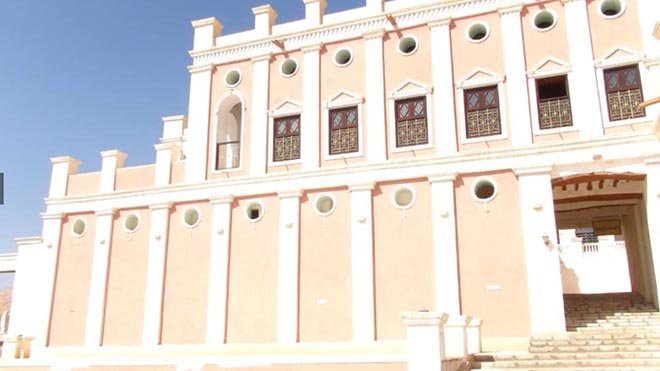
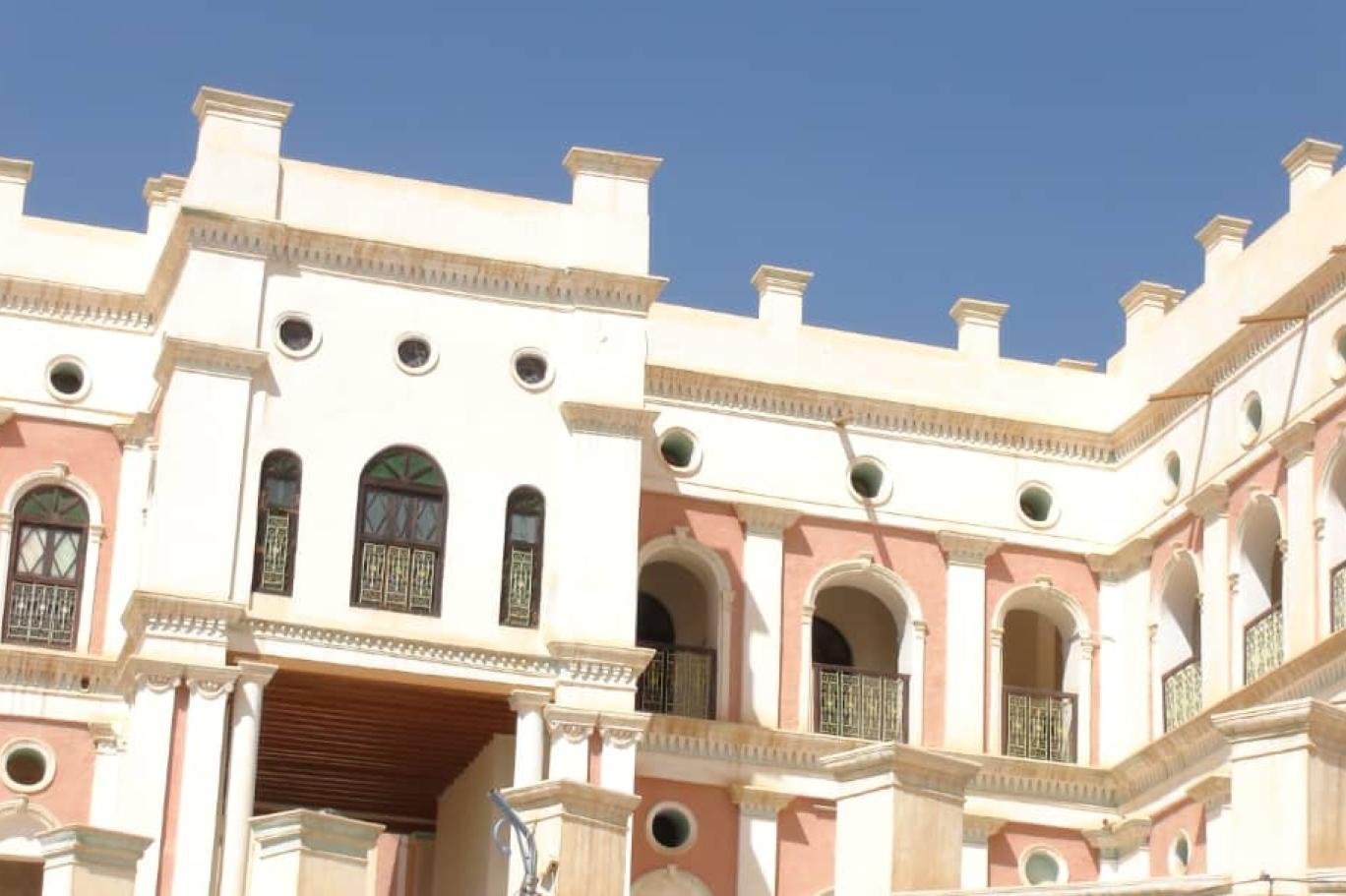
This work included developing some of the facades and architectural features, and introducing decorative influences connected to architectural styles that reached Tarim through cultural and commercial contact with areas outside Hadramout.
These renovations helped shape part of the architectural appearance for which the palace became known in the modern era.
Architectural features and engineering design
Al-Rinad Palace is an example of Hadrami mud-brick architecture, which combined defensive, administrative and residential functions.
Locally sourced materials were used in its construction, most notably mud brick, straw, stone and wood, along with gypsum for finishing and decoration.
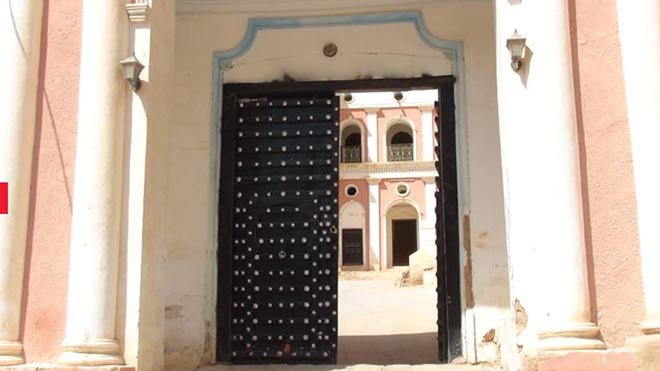
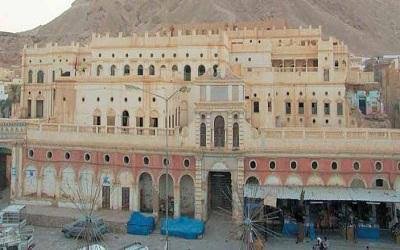
The palace consists of multiple building blocks containing rooms, halls, passageways and interior courtyards. Some of its facades are distinguished by arches, gypsum decorations and Arabic inscriptions.
Its design also features elements inspired by traditional local architecture, alongside architectural influences that reached Tarim during phases of urban development.
These features reflect the expertise of Hadrami builders in working on large structures and using natural building materials to create buildings with multiple functions.
Historical decorations and inscriptions
Gypsum decorations and Arabic inscriptions are among the most prominent artistic features that distinguish Al-Rinad Palace.
Some of its facades display inscriptions and phrases associated with phases of renovation and reconstruction, as well as decorative elements reflecting the development of architectural arts in the city of Tarim.
Architectural studies documented parts of these decorations during restoration work, with the aim of preserving their original features and rehabilitating damaged elements.
These details give the palace artistic value in addition to its historical significance, showing how Hadrami architecture developed through the interaction of local styles with different cultural influences.
From a seat of government to an administrative facility
Al-Rinad Palace has historically been associated with the exercise of authority and the administration of the affairs of the city of Tarim, and various governing bodies used it at different times.
With political and administrative changes in the modern era, the building’s functions changed. At later periods it was used as the premises of some government offices, while parts of it were used for other administrative purposes.
The continued use of the palace for administrative offices has prompted local discussion about the importance of dedicating it to cultural and heritage activities in keeping with its historical status.
Restoration and rehabilitation project
An important restoration and rehabilitation project at Al-Rinad Palace began in 2007, under the supervision of the General Organization for the Preservation of Historic Cities and with support from the local authority in Hadramout Governorate.
The work included rehabilitating parts of the building, restoring the facades, walls and interior courtyards, and maintaining wooden and decorative features using methods suited to the nature of mud-brick architecture.
The project was part of preparations for the events marking Tarim as the Capital of Islamic Culture in 2010, with plans to convert the palace into a cultural center housing activities and facilities connected to the city’s history and heritage.
Extensive phases of restoration work were completed during that period, but subsequent administrative uses prompted calls to repurpose the landmark in ways that serve cultural and tourism purposes.
Historical and civilizational significance
The significance of Al-Rinad Palace stems from its status as a witness to the political changes experienced by Tarim and its association with a number of states and sultanates that successively ruled the city.
The building also reflects stages in the development of mud-brick architecture, from traditional fortifications to palaces with decorated facades and varied architectural forms.
The palace gains additional value from the archaeological evidence found at its site, which creates opportunities for broader studies to understand the history of settlement and urban development in Tarim.
Preserving the palace and safeguarding its heritage identity
Protecting Al-Rinad Palace requires continued regular maintenance, particularly because mud-brick buildings are affected by rain, humidity and climate changes.
There is also a clear need to conduct organized archaeological studies of the site, document its various historical phases, and preserve the decorative and architectural features that reflect its original identity.
Using the palace for cultural and heritage activities offers an opportunity to raise awareness of the city’s history, provided that protection requirements and the building’s safety are taken into account.
Al-Rinad Palace.. A witness to Tarim’s evolving history
Al-Rinad Palace remains one of the most prominent landmarks of the historic city of Tarim, an architectural memory holding successive chapters in the history of governance and urban development in Wadi Hadramout.
From its location in the center of the old city, the palace continues to stand as a witness to the development of Hadrami architecture and to the relationship between authority, place and history.
Preserving it is part of the responsibility to safeguard Hadramout’s cultural heritage and highlight its value for future generations as a landmark combining archaeological significance, urban identity and the city’s political history.
Photo gallery