Historic Al-Falis Fortress
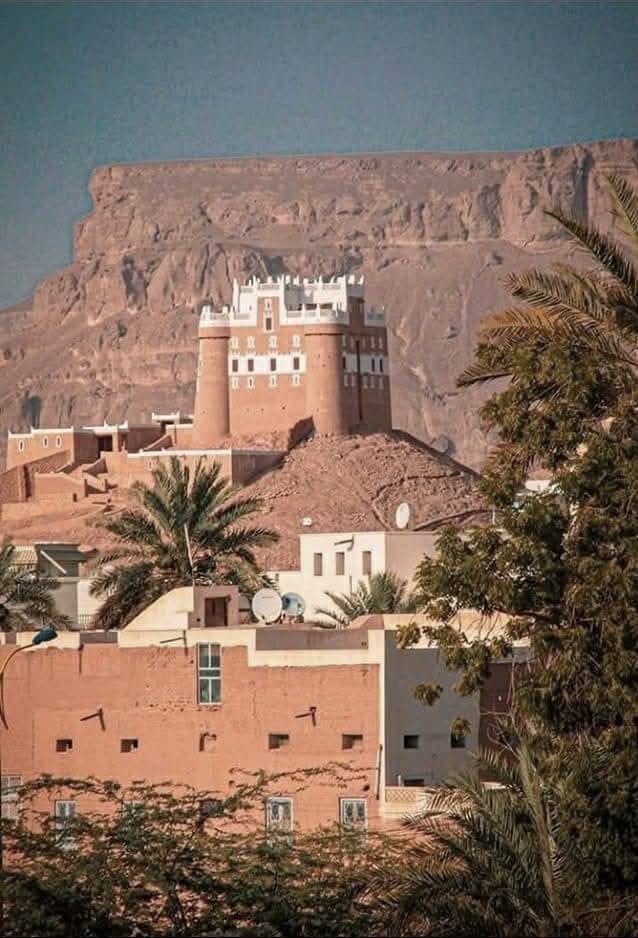
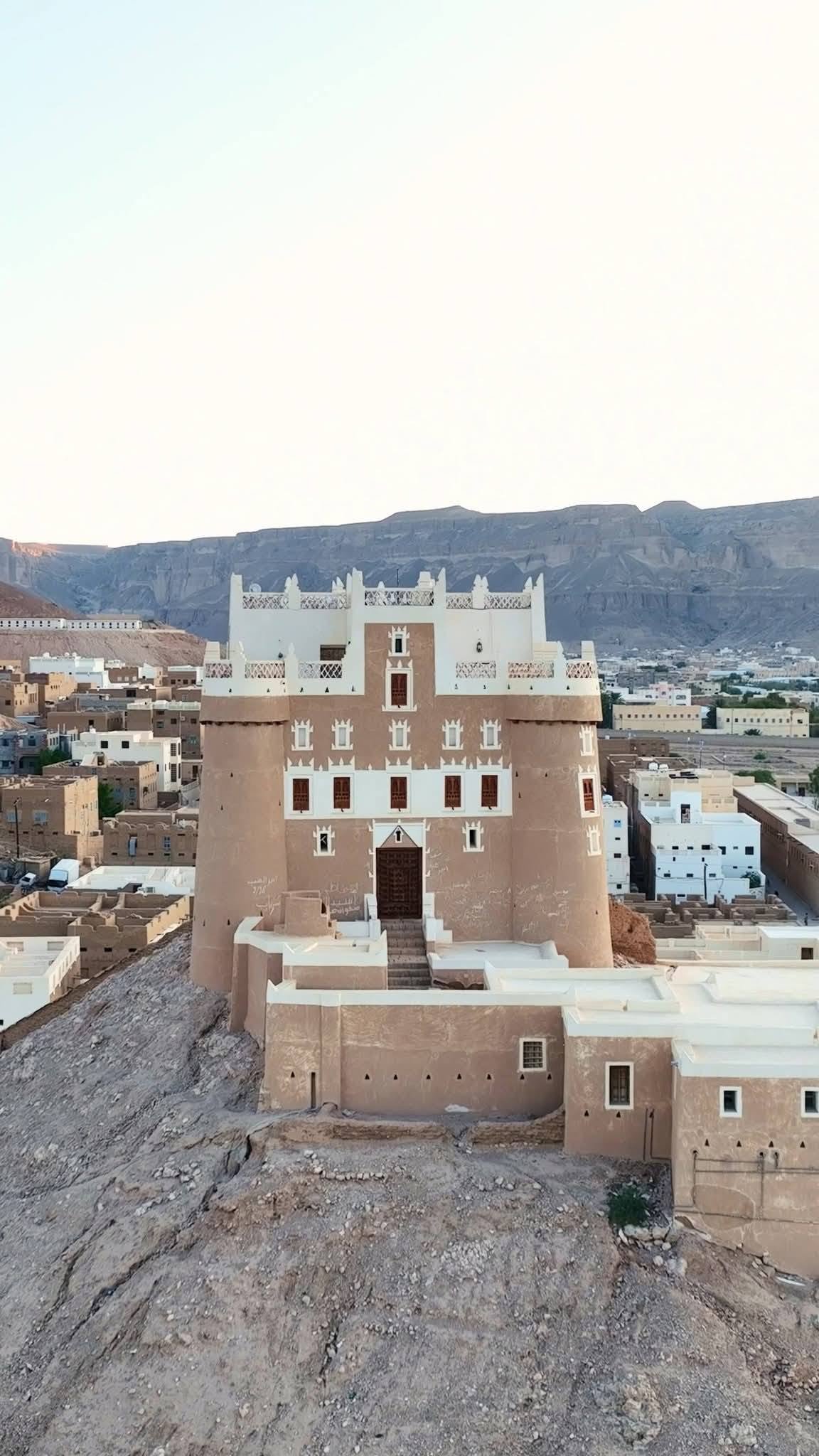
The historic Al-Falis Fortress is one of the most prominent defensive landmarks in Seiyun, Hadramout Governorate. It stands atop a rocky hill in the Al-Qarn neighborhood, east of the city. According to historical estimates, it was built in the 10th century AH, during the reign of Sultan Kathiri Badr Abu Tuwairiq or in the period that followed. The fortress served as an advanced military position to protect Seiyun and monitor its entrances, and was linked to the old city walls. Restoration and archaeological excavation works uncovered architectural remains and historical artifacts. It remains a testament to the history of military fortifications and mud-brick architecture in Wadi Hadramout.
Al-Falis Fortress: Seiyun’s castle that protected the city through the centuries
On a rocky hill rising above the Al-Qarn neighborhood east of Seiyun, the historic Al-Falis Fortress stands as a testament to stages in the history of military fortifications in Wadi Hadramout, embodying the role played by castles and forts in protecting cities and organizing their defenses over past centuries.
The fortress is one of the landmarks associated with Seiyun’s political and military history. Its strategic location was linked to the old city wall, and it formed an advanced observation point overlooking roads and surrounding areas.
Geographical location and strategic importance
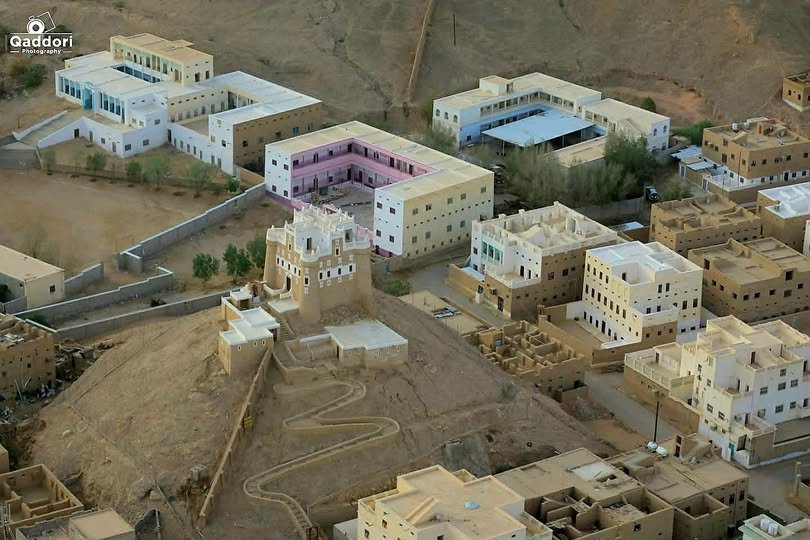
Al-Falis Fortress stands atop a rocky hill separated from the eastern mountain elevations of Seiyun, overlooking the Al-Qarn neighborhood and parts of the city and surrounding areas.
This location gave the fortress an important defensive advantage, allowing movements approaching from the east to be monitored and helping protect the entrances leading to the city.
Historical sources indicate that sections of Seiyun’s old wall met at the edges of the fortress to the south and northwest, making it part of an integrated defensive system.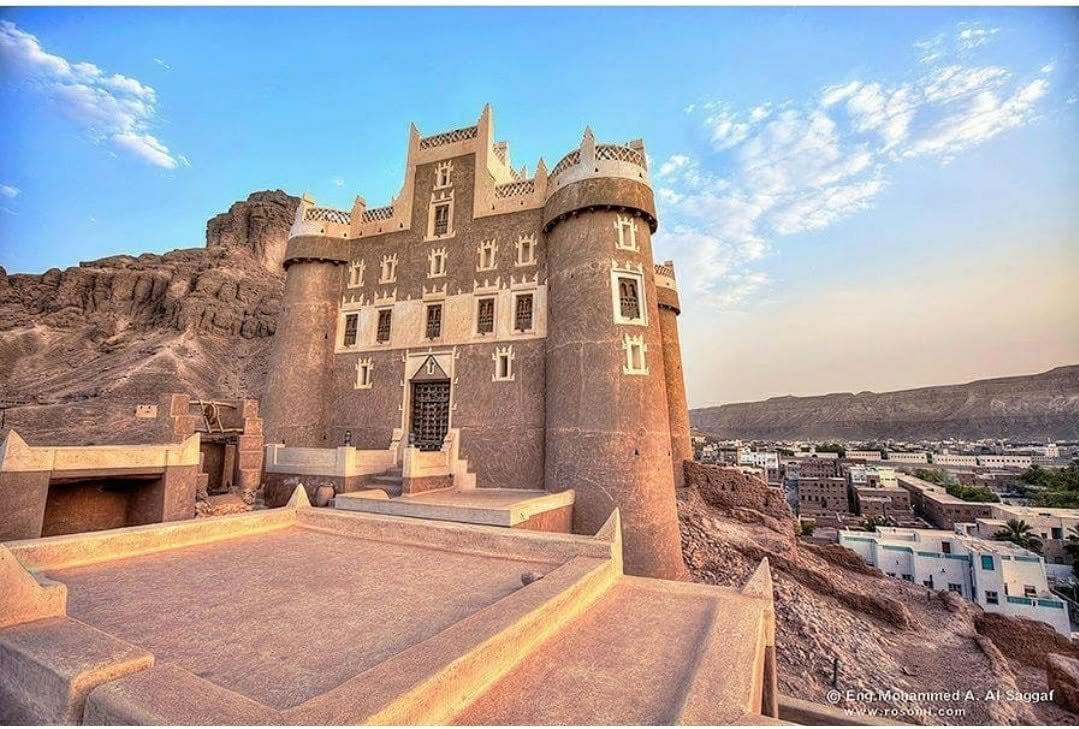
Origins and history
Historical estimates date the construction of Al-Falis Fortress to the 10th century AH, corresponding to the 16th century AD, during the reign of Sultan Kathiri Badr Abu Tuwairiq or in the period that followed.
That era was associated with the strengthening of Kathiri influence in Wadi Hadramout and with an interest in fortifications to protect cities and administrative and military centers.
Some historical writings refer to Al-Falis Fortress as far back as 603 AH. However, this reference is not sufficient to establish that the present building was constructed in that year, particularly given archaeological estimates dating its construction to a later period.
For this reason, the 10th century AH is considered the most likely date for the establishment of the fortress known today, while the question of the site's earliest beginnings remains in need of further archaeological research.
The fortress during the Kathiri state
Al-Falis Fortress gained military importance during the Kathiri era, when it served as one of the defensive positions helping to protect Seiyun.
Historical accounts indicate that control of the fortress was important in the conflicts that took place in the area, given its elevated location and its view over wide parts of the city.
These features helped make it a defensive and observation point from which military movements could be monitored and areas on the outskirts of Seiyun protected.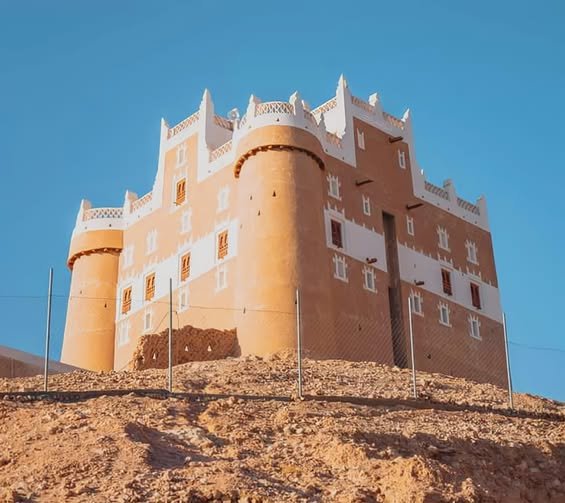
The fortress's connection to Seiyun's old wall
Al-Falis Fortress was part of the network of fortifications that surrounded Seiyun at various historical stages.
A specialized historical study indicates that Sultan Ali bin Mansour Al Kathiri ordered the rebuilding of a city wall in 1350 AH, corresponding to 1931 AD. It began at Al-Falis Fortress and extended toward other areas, with gates and openings built to regulate entry and exit.
This connection reveals that the fortress's location retained its defensive importance through the 20th century and played a role in shaping the city's urban and military boundaries.
Architectural features
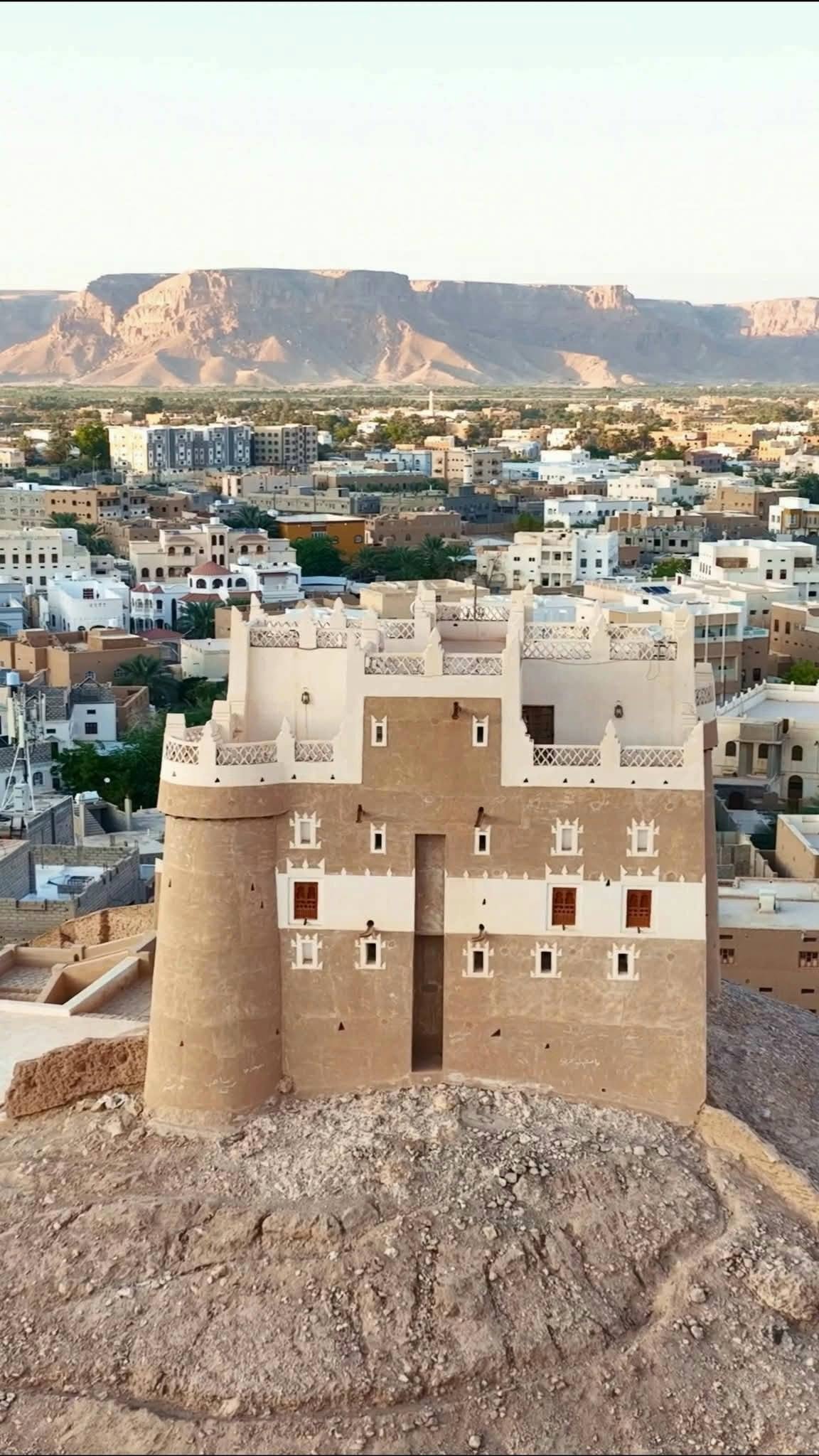
Al-Falis Fortress's design takes advantage of the elevated rocky site, which was a fundamental element of its defensive function.
Its sections were built using traditional construction materials known in Hadramout, including stone and mud, with walls and ramparts used to provide protection and surveillance.
Its architectural features include a defensive wall, observation positions and facilities associated with its military function. Some of these features were rebuilt during modern restoration works.
The design reflects the close relationship between military architecture and natural topography, as the rocky elevation was used to strengthen defensive and surveillance capabilities.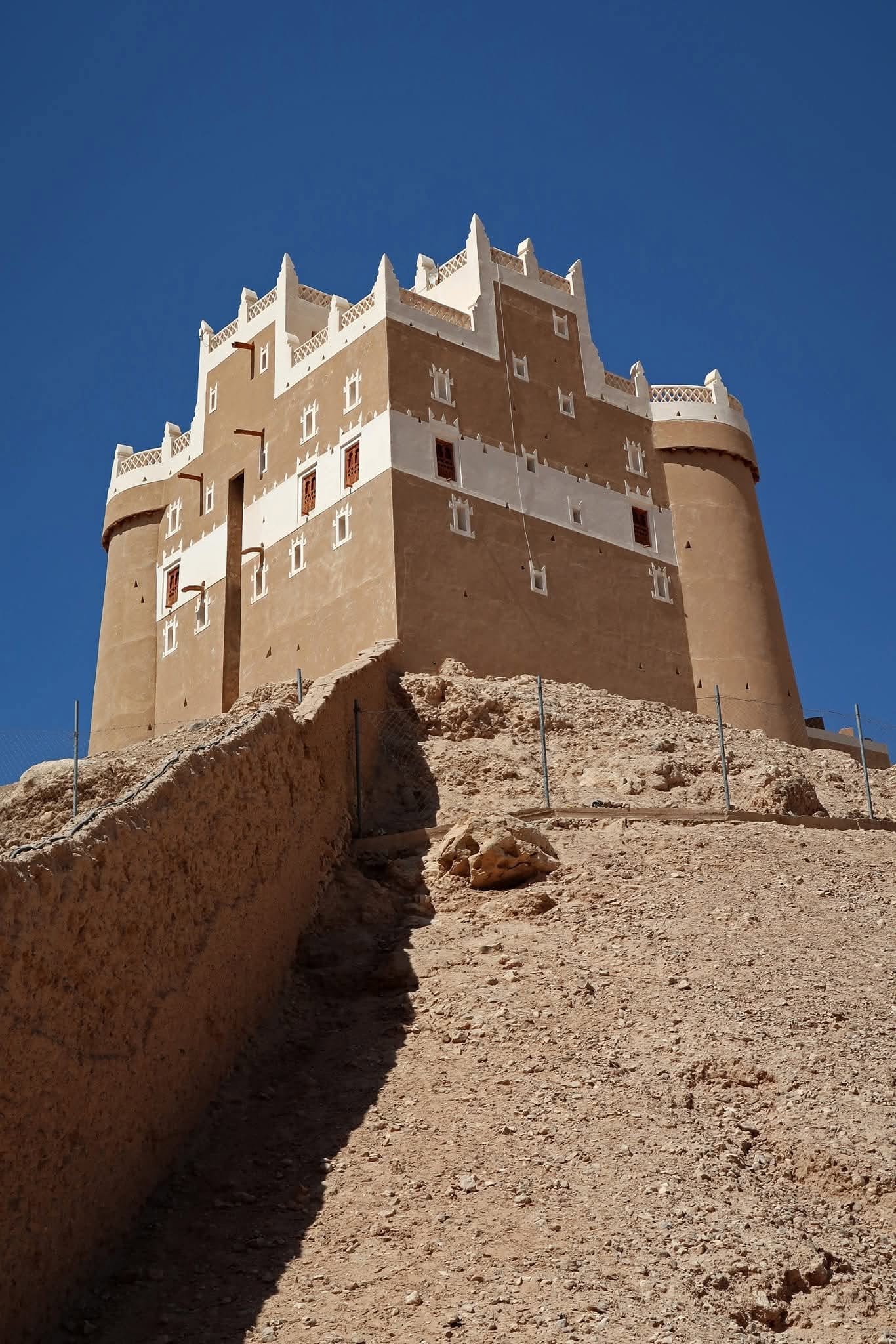
Excavations and archaeological discoveries
Excavation and archaeological study took place at the Al-Falis Fortress site alongside restoration projects during the first decade of the 21st century.
The work uncovered architectural remains on the western and northern sides of the fortress, as well as a collection of artifacts associated with daily life at the site.
The discoveries included pieces of pottery, leather vessels used to store oils, and grain-grinding tools known as millstones.
These discoveries are important for understanding life inside the fortress. They indicate that it was not merely a military observation point, but a site with facilities and equipment that helped sustain the garrison stationed there.
Deterioration and restoration works
Over time, Al-Falis Fortress was affected by erosion and neglect, until large sections of it had become the remains of eroded walls before rehabilitation work began.
During 2005 and 2006, restoration and reconstruction works were carried out under the supervision of the archaeological authorities in Wadi Hadramout. The work drew on the results of excavations and architectural comparisons with similar fortresses.
The work included rehabilitating sections of the walls and defensive facilities, using traditional materials and construction methods suited to the character of the site.
A major phase of restoration was completed in 2006, and the fortress was reopened to visitors as one of Seiyun's prominent historical landmarks.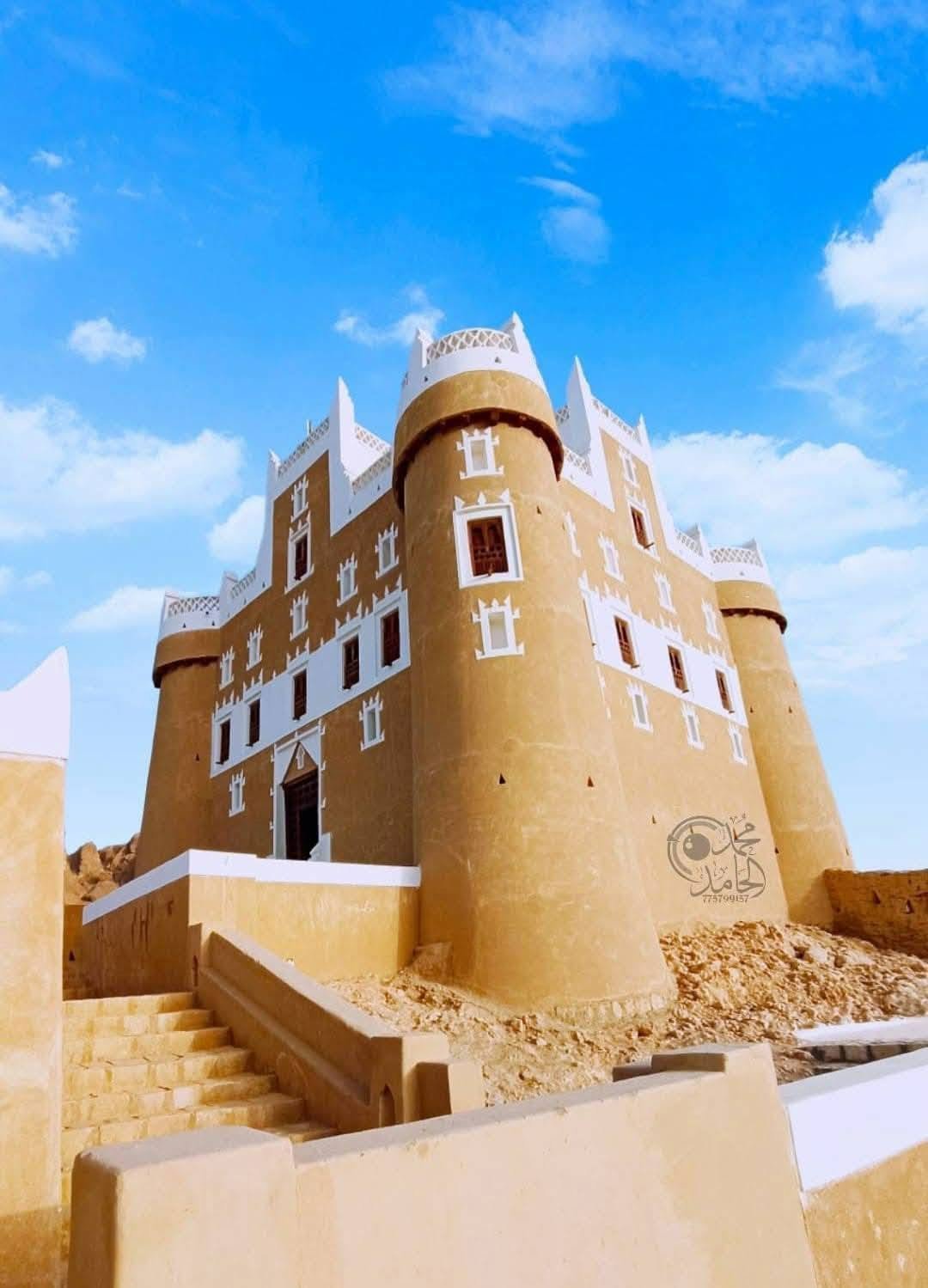
Protection and maintenance works in 2019
Al-Falis Fortress underwent a further phase of protection and maintenance works in 2019 as part of a project funded by the Social Fund for Development.
The work included installing a fence to protect the site, rehabilitating some of its facilities and building stairs to make it easier for visitors to reach the fortress.
In October of the same year, the then Minister of Culture inspected the completed work at the site as part of efforts to preserve archaeological landmarks in Wadi Hadramout.
Historical and tourism value
The importance of Al-Falis Fortress stems from its strategic location and its connection to the history of the Kathiri state and Seiyun's defensive fortifications.
It is also an example of traditional military architecture, which relied on using natural topography and local building materials to protect cities.
Its elevated location gives visitors a view of the Al-Qarn neighborhood and parts of Seiyun, enhancing its value as a historical landmark and tourist attraction.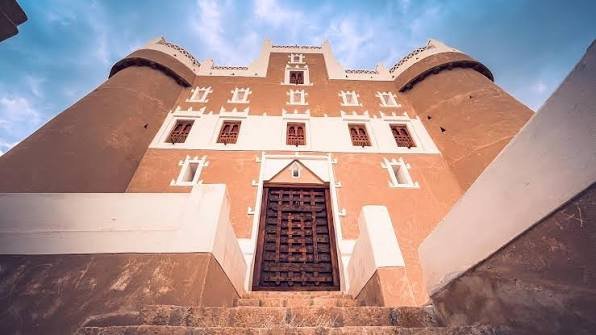
Preserving the fortress for future generations
Protecting Al-Falis Fortress requires ongoing periodic maintenance and monitoring the effects of rain and erosion on its walls and foundations.
There is also a need to document the archaeological discoveries made during excavation work and prepare informational materials explaining the fortress's history, military function and relationship to Seiyun's old walls.
Preserving the site is part of efforts to safeguard the architectural and military heritage of Wadi Hadramout and promote awareness of the city's history and development.
Al-Falis Fortress: Seiyun's defensive memory
Al-Falis Fortress remains one of the most prominent witnesses to Seiyun's military and urban history, with its historical connections to the Kathiri state and the old city walls.
From its elevated position in the Al-Qarn neighborhood, the fortress tells part of the story of the conflicts and fortifications that Wadi Hadramout has seen, and embodies the builders' skill in making use of the natural geography to establish defensive positions.
Documenting and preserving this landmark means protecting an important part of Seiyun's historical memory and its architectural and cultural heritage.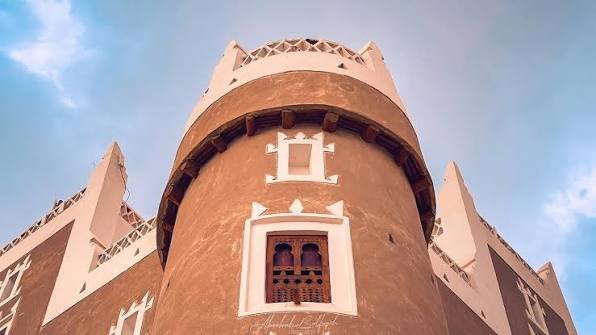
Photo gallery