Exchange rates US Dollar Buy 1,564 Sell 1,577 Saudi Riyal Buy 412 Sell 413 Last updated: Currency converter
Documentation file Last updated:

Hadramout Oil: Wealth, Production and the Export Crisis

This file documents the history of the oil sector in Hadramout, from the first commercial discoveries and the start of production and exports, through the establishment of PetroMasila and the changes in the oil fields and facilities, to the suspension of exports and its economic and service-related repercussions. It also tracks the key decisions and events affecting the future of this strategic resource.

12events
36Year (1991–2026)
1articles
0Document
0photos

Latest events

Move Verified

Efforts to Resume Hadramout Oil Exports in 2026 Face Security and Economic Challenges

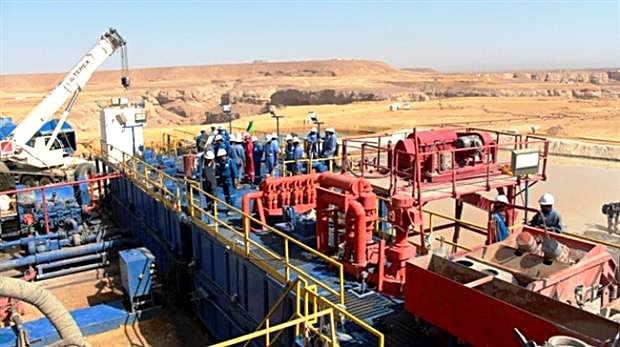
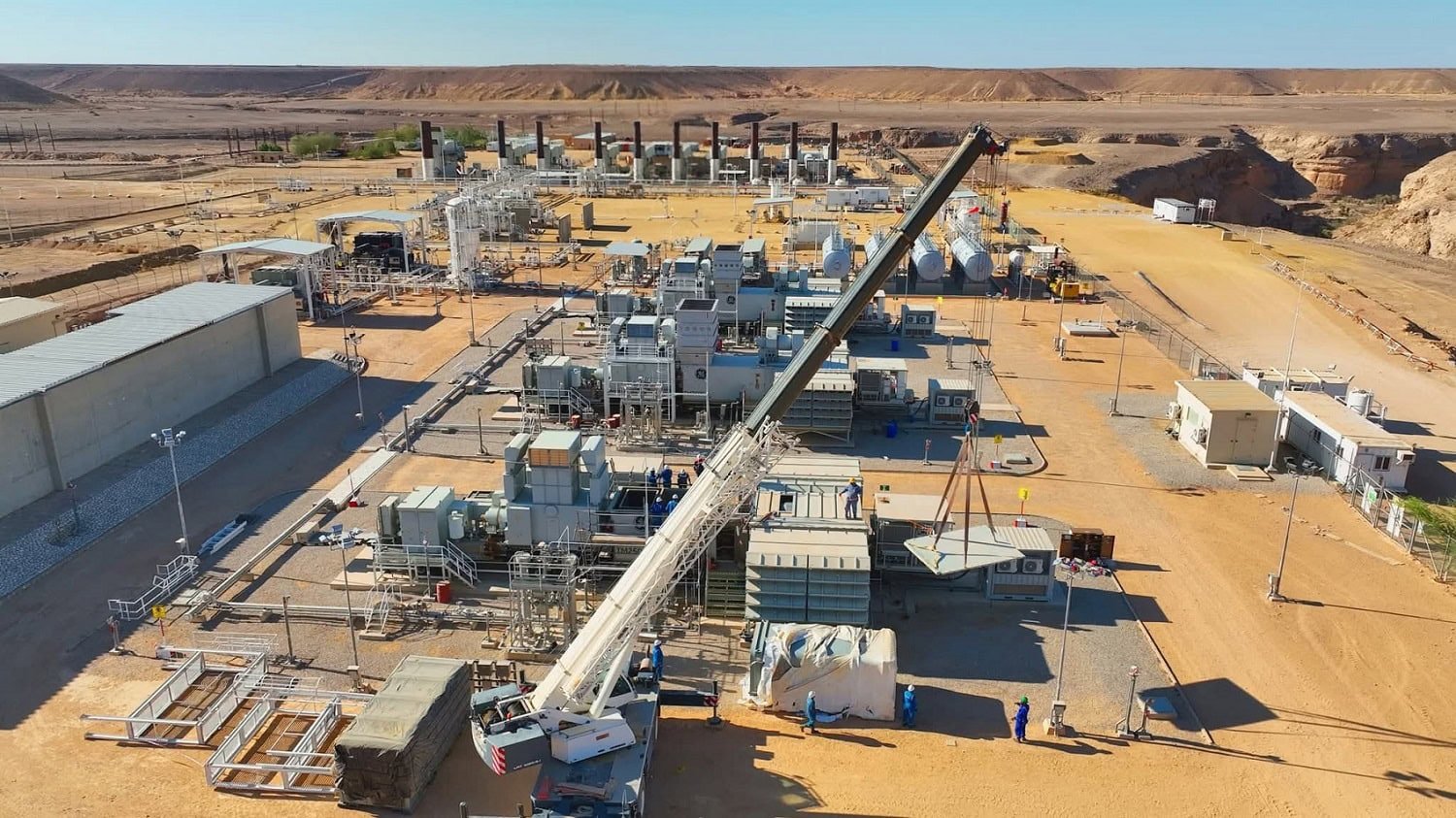
The resumption of crude oil exports from Hadramout in 2026 remained one of the most prominent economic challenges facing the Yemeni government, amid the continuing repercussions of Houthi attacks on export ports since October 2022 and the ensuing security and operational disruptions in production areas. Efforts to restore oil activity have focused on rehabilitating facilities, securing fields, pipelines and ports, and providing the conditions necessary for commercial tankers to return. However, a regular resumption of exports requires addressing interrelated security, financial and technical challenges; the fields’ ability to produce alone is not enough to resume exports.
Crisis Verified

Military tensions disrupt oil production in Hadramout in late 2025, putting Masila facilities in a new crisis

Oil fields in Hadramout experienced operational and security disruptions during November and December 2025, amid escalating military tensions around the Masila area and facilities belonging to PetroMasila, raising concerns about the safety of workers and the continuity of production allocated for local needs. These developments came as crude oil exports had been halted since the 2022 attacks on Al-Dhabba Port, adding an operational and security crisis to the ongoing export crisis and highlighting the strategic importance of the oil fields in the governorate’s economic and military balances.

Crisis Verified

The Halt in Hadramout Oil Exports During 2023–2025 Deepens the Revenue and Services Crisis

Hadramout’s oil sector entered a prolonged period of halted exports during 2023–2025, following Houthi attacks on the Al-Dhabba oil port in October and November 2022. This deprived the Yemeni government of one of its most important sources of revenue and foreign currency. The continued halt in exports affected public finances and the government’s ability to fund essential services, particularly electricity and salaries, amid mounting pressure on the currency and the economy. International reports showed that the crisis had extended beyond the oil sector, becoming one of the most significant factors behind economic deterioration in areas under government control.

Targeting Verified

Houthi Attack on Al-Dhabba Port in 2022 Halts Oil Exports and Triggers Prolonged Economic Crisis

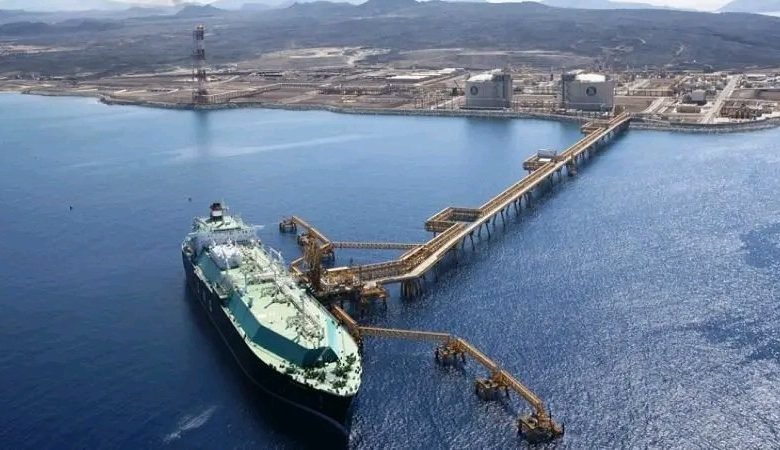
On October 21, 2022, the Al-Dhabba oil port on the coast of Hadramout was attacked by drones carried out by the Houthi group, as an oil tanker was preparing to load a shipment of Masila crude estimated at around two million barrels. No casualties or material damage were reported in the first attack. However, it prompted the tanker to leave the port without loading its cargo and raised security concerns that disrupted export operations. As attacks continued over the following weeks, the disruption turned into a long-term crisis that deprived the Yemeni government of one of its most important sources of revenue and foreign currency.

About this file

Hadramout Governorate is one of Yemen’s most prominent oil-producing areas. Commercial discoveries in the Masila Basin in the early 1990s marked an important economic turning point, helping develop the oil sector and open new prospects for production and exports.

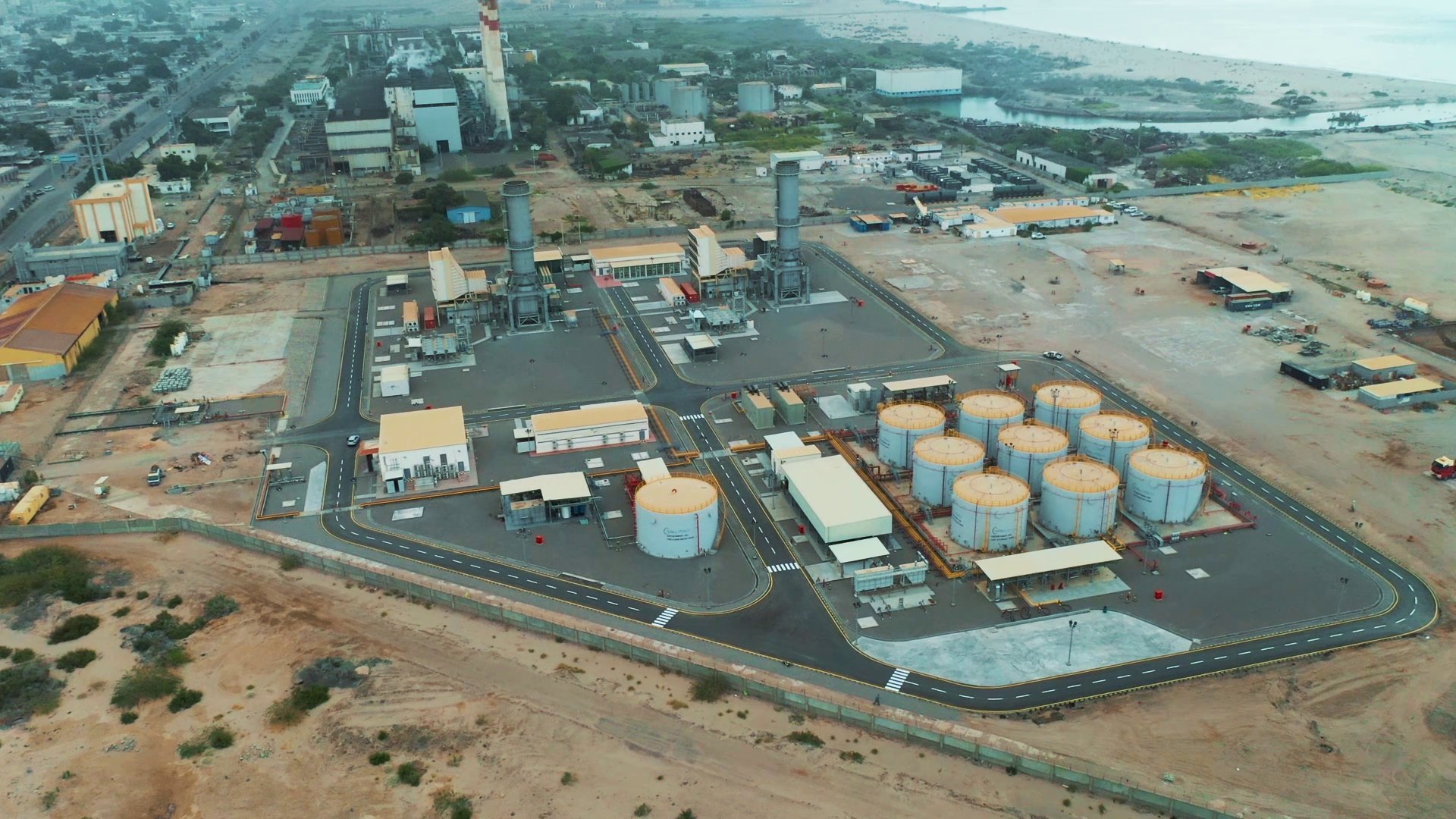
Modern exploration in Block No. (14) in the Masila area began after its concession was awarded to Canadian Oxy in 1987, before commercial discoveries were announced in 1991, including the Sunah, Hajiya and Kamal fields. In 1993, the block entered the production and export phase, with the operation of a pipeline linking the Masila fields to the Al-Dhabba oil terminal at Al-Shihr on the Arabian Sea coast.

In the following years, exploration and production activities expanded to include other oil blocks in Hadramout, including Block (10) east of Shabwa, Block (32) in Howarim, and Block (53) east of Sar, enhancing the importance of the governorate’s oil infrastructure and its role in the national economy.

In December 2011, management of the Masila Block was transferred to the national company PetroMasila, following the end of the production-sharing agreement with the Canadian operator, in a move that marked a major shift in the management of one of Yemen’s largest oil blocks.

With the outbreak of the war in Yemen in 2015, the oil sector faced widespread disruptions that affected production, investment and exports. Although limited quantities of Masila crude exports resumed in subsequent years, operations remained below their previous levels.

In October 2022, the Al-Dhabba oil terminal was attacked by Houthi drones as a tanker was preparing to load a crude shipment, contributing to the suspension of oil exports and causing major repercussions for government revenues and foreign-currency inflows.

Challenges continued during 2025 and 2026, as security and military tensions affected production operations, fields and facilities, and the need grew to rehabilitate infrastructure and establish the security and technical conditions required to resume exports.

This file traces the historical course of Hadramout oil, the relationship between production, revenues and public services, and the impact of the suspension of exports on the economy, alongside the decisions and plans aimed at restoring activity in the sector and ensuring that its resources are managed institutionally and transparently.

Timeline 12 documented events

Loading events…

20031 event
Development Verified

Masila Oil Production Peaked in 2003, Strengthening Hadramout’s Position in the Yemeni Economy

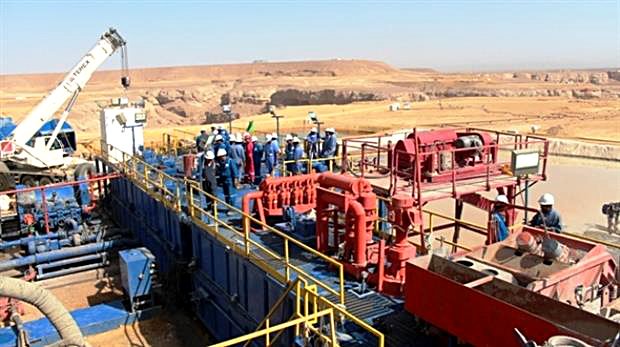
Oil production in Block (14) of the Masila sector in Hadramout Governorate reached its historical peak in 2003, at approximately 233,000 barrels per day, according to published data from the Yemeni Petroleum Exploration and Production Authority, a decade after production and exports began in 1993. This level was achieved through the expansion of field development, well drilling, and the construction of processing and transportation facilities, strengthening Masila’s position among Yemen’s leading crude oil production areas. That period became a benchmark for measuring subsequent changes in the block’s output, particularly as natural field production declined and investment and operational challenges emerged.

No documented events in this period

Figures and statistics

Documented events
12
Time span
1991 – 2026
Articles
1
Documents and photos
0 / 0
199119932003201120152016201720182022202320252026

Contact Alhadarmia News Agency

Do you have news, a photo or information from your area? Message us directly at 775925520

Contact us on WhatsApp