
Houthi Attack on Al-Dhabba Port in 2022 Halts Oil Exports and Triggers Prolonged Economic Crisis
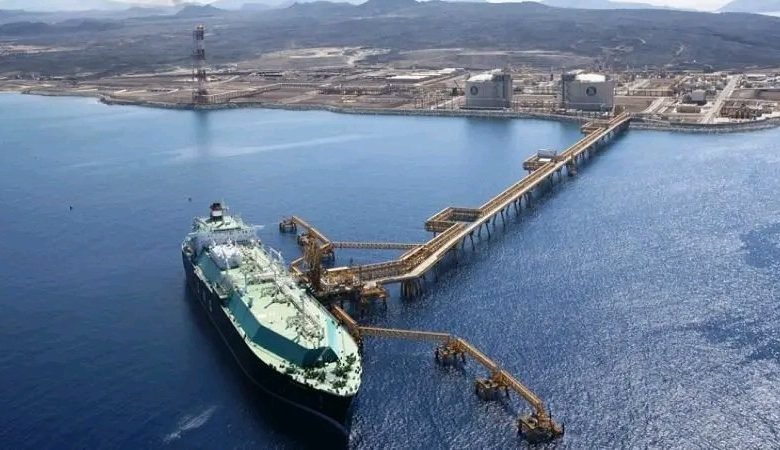
On October 21, 2022, the Al-Dhabba oil port on the coast of Hadramout was attacked by drones carried out by the Houthi group, as an oil tanker was preparing to load a shipment of Masila crude estimated at around two million barrels. No casualties or material damage were reported in the first attack. However, it prompted the tanker to leave the port without loading its cargo and raised security concerns that disrupted export operations. As attacks continued over the following weeks, the disruption turned into a long-term crisis that deprived the Yemeni government of one of its most important sources of revenue and foreign currency.
Military Escalation Following the End of the Truce
The attack came less than three weeks after the UN-brokered truce in Yemen ended on October 2, 2022, without an agreement to extend it.
During that period, the dispute between the Yemeni government and the Houthi group over oil revenues and arrangements for paying salaries intensified, alongside warnings issued by the group to companies and tankers involved in exporting crude from ports under government control.
The attack on Al-Dhabba was preceded by drone attacks on the Al-Nashima oil port in Shabwa Governorate on October 18 and 19, indicating that the escalation had shifted to targeting oil export facilities on the southern coast.
Al-Dhabba Port in the Al-Shihr District was one of the main export outlets for Masila crude and the associated sectors, giving the attack economic repercussions that extended beyond the targeted site.
October 21: Drones Target the Port
On Friday, October 21, the oil tanker “Nissos Kea,” flying the flag of the Marshall Islands, was in the Al-Dhabba Port area preparing to load a shipment of crude oil.
According to a statement issued by the Yemeni Ministry of Oil and Minerals on the day of the attack, drones were detected entering the vicinity of the port at 1:09 p.m., before two attacks took place at 2:05 p.m. and 2:20 p.m., near the tanker and the loading platform.
The ministry reported no casualties or material damage as a result of the two attacks.
Okeanis Eco Tankers, the tanker’s owner, confirmed that two explosions caused by drones occurred near the vessel, noting that the crew was safe and the tanker was undamaged, with no marine pollution.
Tanker Leaves Without Loading Two Million Barrels
The tanker was scheduled to load around two million barrels of crude, according to information Reuters cited from a Yemeni government official.
However, the attack prompted the ship’s captain to leave the loading area to protect the crew and tanker, without completing the loading operation.
The Houthi group claimed responsibility for the attack, describing it as a warning measure to prevent oil exports, while the Yemeni government described it as an attack on a civilian economic facility and a threat to maritime navigation.
The tanker’s departure became a direct indication of how security threats affected the government’s ability to export oil, even in the absence of significant material damage to the facilities.
From a Single Attack to the Disruption of Exports
Developments did not end with the October 21 incident.
Fears of further attacks led tankers to avoid entering Yemen’s oil ports, while attacks and threats continued throughout November 2022.
On November 21, Al-Dhabba Port was attacked again while the oil tanker “Pratika” was there to load a shipment of crude, prompting it to leave.
Reuters reported that a projectile launched by a drone fell at the port entrance, while other reports said some pumping equipment was damaged in subsequent attacks.
Thus, the crisis shifted from the cancellation of a specific shipment to an ongoing disruption of export operations, as the safety of ships and loading facilities could not be guaranteed.
Direct Repercussions for Oil Fields
The effects of the halt in maritime shipments extended to producing fields, because continuing to pump crude without exporting it fills storage facilities and forces companies to reduce or suspend production.
On October 31, 2022, Canadian company Calvalley announced that it was suspending production in Block 9 in Hadramout, citing difficult conditions and a lack of storage capacity.
This incident shows that the effects of the attacks were not limited to Al-Dhabba Port, but extended across the oil sector’s production, transportation and storage chain.
It is important to distinguish between the halt in crude oil exports and a halt to all oil activities; some operations, maintenance work and production for domestic use continued, depending on the circumstances at each facility.
Revenue Crisis Threatens Yemen’s Economy
Before the October 2022 attacks, oil was one of the government’s most prominent sources of revenue and foreign currency.
With exports disrupted, the government lost a key source on which it relied to finance public spending, support currency stability and fund imports of essential goods.
In its report on October 2022, the Sana’a Center for Strategic Studies warned that a continued halt in oil revenues would weaken the Aden-based Central Bank’s ability to intervene to support the currency and finance imports, and could increase inflationary pressures.
In the following years, the halt in oil exports became one of the main factors behind the government’s continuing financial crisis, alongside other economic and institutional challenges.
International Condemnation and Maritime Warnings
On October 26, 2022, the UN Security Council condemned the Houthi drone attacks on Al-Dhabba Port, describing them as a threat to peace and stability efforts.
Maritime security bodies also issued warnings about increased risks to commercial vessels operating near Al-Shihr Port amid the possibility of further attacks.
These developments made it more difficult to restore export activity, which requires security guarantees acceptable to shipping and insurance companies and international buyers.
The Historical Impact of the Event
The October 21, 2022 attack is considered one of the most significant turning points in the history of Hadramout’s oil sector, as it shifted the sector’s crisis from production and operational challenges to a security crisis directly targeting a crude export outlet.
It also demonstrated how dependent oil revenues are on the security of ports and maritime routes, even when fields and production facilities are technically capable of operating.
This date marks the beginning of a new phase of disruption to Hadramout’s oil exports, after Al-Dhabba Port was transformed from a strategic outlet for generating revenue into a central point in the economic conflict linked to the war in Yemen.