
Military tensions disrupt oil production in Hadramout in late 2025, putting Masila facilities in a new crisis
Oil fields in Hadramout experienced operational and security disruptions during November and December 2025, amid escalating military tensions around the Masila area and facilities belonging to PetroMasila, raising concerns about the safety of workers and the continuity of production allocated for local needs. These developments came as crude oil exports had been halted since the 2022 attacks on Al-Dhabba Port, adding an operational and security crisis to the ongoing export crisis and highlighting the strategic importance of the oil fields in the governorate’s economic and military balances.
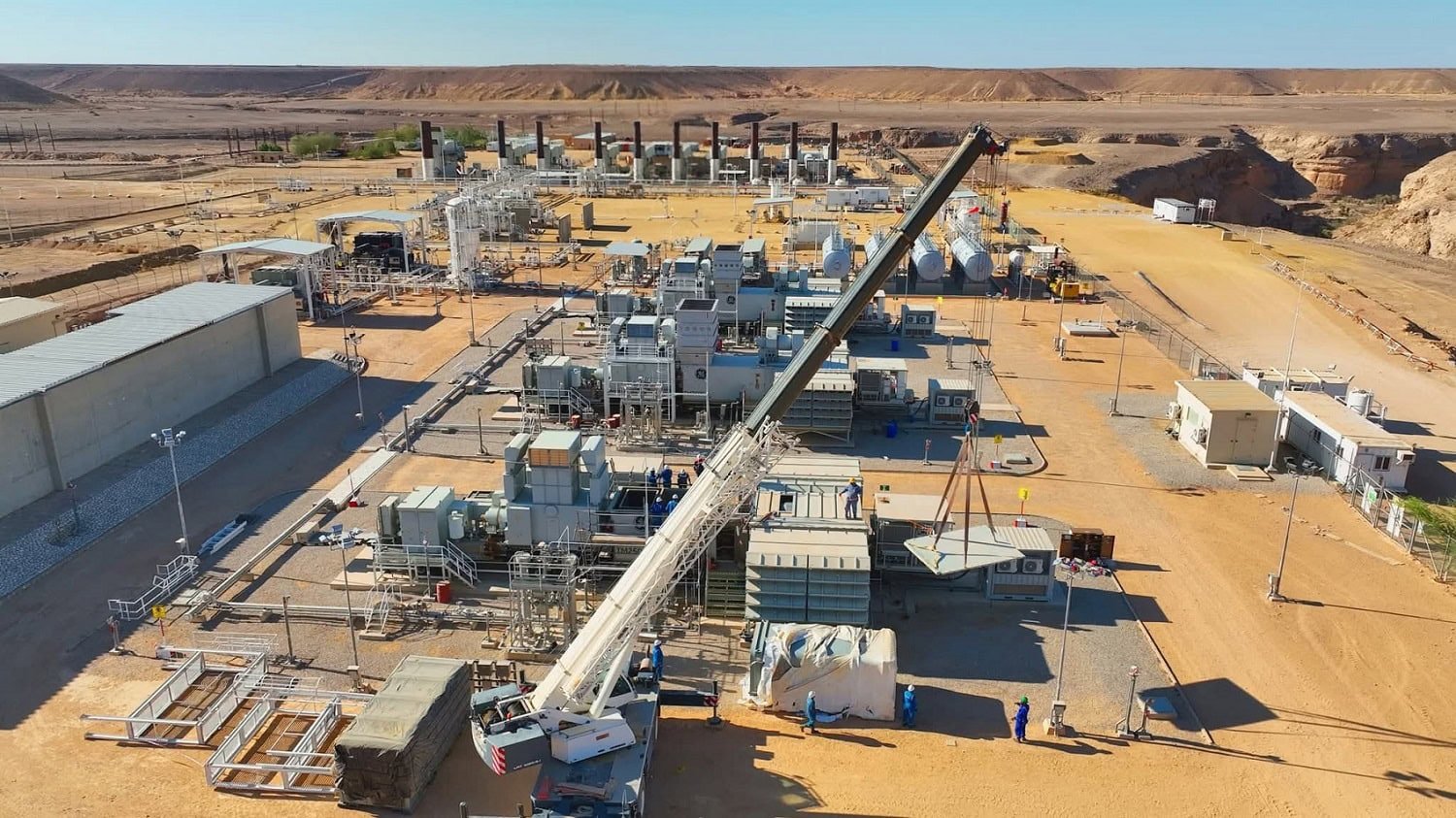
November 29: Tensions reach the Masila facilities
On November 29, 2025, the Hadramout Tribes Alliance announced that units of its Hadramout Protection Forces had entered sites within the Masila oil-field facilities, saying the move was aimed at protecting the facilities and oil wealth.
Meanwhile, military entities issued accusations of attacks on sites protecting oil companies, amid escalating tensions among armed formations in the Hadramout plateau.
The alliance announced at the time that work inside the facilities was proceeding normally. PetroMasila later explained, however, that the deteriorating security environment had prompted it to take precautionary measures to halt operations.
PetroMasila halts production and refining in Sector (14)
In an official statement issued on December 1, 2025, PetroMasila revealed that it had been forced to completely halt production and refining operations at the fields, wells and facilities of Sector No. (14), effective Saturday, November 29, 2025.
The company attributed the decision to the deterioration of security conditions around the facilities, explaining that continuing to operate equipment and tanks amid the possibility of armed clashes could pose a danger to workers, nearby residents and the environment.
It stressed that the operations were halted in compliance with industrial security and safety requirements, and not because oil reserves had been depleted or the fields had reached the end of their technical capacity to produce.
November 30: Sector (10) halts and gas supplies are cut off
Despite the halt in Sector (14), PetroMasila tried to maintain a minimum level of production in Sector No. (10), in order to supply the associated gas produced alongside oil, which is used to operate gas-fired power plants in Wadi Hadramout.
But the company announced that it had been forced to halt operations in Sector (10) at 8 p.m. on Sunday, November 30, 2025, after the crude oil tanks had filled and it became impossible to transport the stored quantities to Sector (14) because of the security situation.
This led to the stoppage of the gas supplies needed to operate the Wadi Hadramout gas-fired power plant, with a nominal capacity of 75 megawatts, and the Al-Jazirah gas-fired power plant.
These developments reveal the direct link between oil production and the provision of gas used to generate electricity, even as crude exports abroad remain halted.
Power crisis spreads to most areas of the valley
On the evening of November 30, the Public Electricity Corporation in Wadi Hadramout announced that more than 85% of the power system’s generation capacity had gone out of service as a result of the shutdown of gas-fired plants linked to PetroMasila’s supplies.
This caused widespread outages across most areas of Wadi and Desert Hadramout, while the corporation confirmed that its technical teams were ready to resume operating the plants once gas supplies returned.
This was among the crisis’s most significant direct effects, as the repercussions of tensions around the oil facilities reached residents’ daily lives within a short period.
December: De-escalation efforts and clashes around the facilities
As tensions widened, mediation efforts were made to contain the escalation around PetroMasila, and on December 3 the parties reached a de-escalation agreement under Saudi auspices that included arrangements for withdrawal and for moving forces away from the facilities’ perimeter.
The agreement did not hold, however. On December 4, clashes broke out between the Hadrami Elite Forces and forces affiliated with the Hadramout Tribes Alliance, ending with a change in military control over sites protecting the oil facilities.
These developments highlighted the scale of the risks facing field operations when production areas and energy facilities become part of military confrontations.
These events alone do not establish when all production or electricity operations returned to their previous levels, a matter that requires independent operational data.
Economic and service-related impact
The crisis of November and December 2025 came at a time when Yemeni crude oil exports had been halted since the October 2022 attacks.
But the new developments differed from the export crisis: they directly affected local production, refining and gas supplies, not only the ability to sell crude in foreign markets.
The crisis showed that the continuation of some oil operations, even without exports, plays an important role in supplying fuel and gas to service facilities, and that disruption to the movement of crude between sectors can cause associated gas production to stop and electricity outages.
It also revealed the importance of distinguishing between companies’ responsibility for technical operations and the responsibility of security entities to protect facilities and ensure workers’ safety.
The event’s historical impact
The halt in PetroMasila’s operations in late November 2025 marks an important milestone in the history of Hadramout’s oil industry, because it revealed how the repercussions of military tensions moved from the vicinity of the facilities to an actual halt in production, refining and gas operations.
November 29, 2025, marks the operational beginning of this event, while November 30 represents the peak of its impact on services, with gas supplies stopping and most of Wadi Hadramout’s electricity generation capacity collapsing.