Uneven Distribution of Oil Revenues Between Hadramout’s Coast and Valley Sparks Calls for Developmental Equity
The distribution of financial resources generated from Hadramout’s share of oil revenues has sparked growing debate about developmental equity among the districts of the coast, valley and desert, amid differences in local revenue sources and in service and infrastructure needs. With the governorate receiving a share of oil revenues during the years of war, the mechanisms for distributing these resources and monitoring their expenditure have become important issues in local financial management, particularly as electricity, water and road needs continue across the various districts. The importance of this issue lies in distinguishing between the amount of revenue recorded by each financial administration and the amount of government spending from which each area benefits. Differences in recorded revenues alone do not prove that spending has been distributed unfairly.
2017: Announcement of the Principle of Equal Distribution
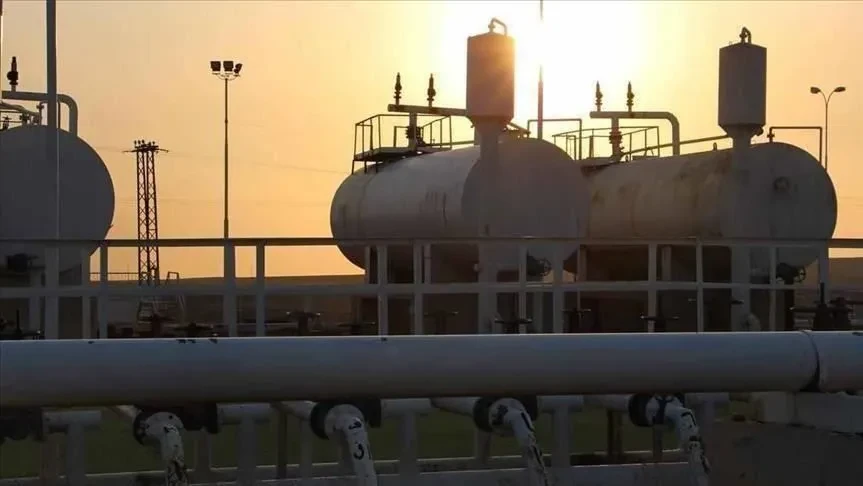
With Hadramout’s share of oil revenues coming into effect, the question of how to distribute it among areas of the governorate came to the fore, particularly since the production fields are located in inland areas, while Al-Dhabba Port and export facilities are on the coast.
On October 10, 2017, the then Governor of Hadramout, Faraj Salmeen Al-Bahsani, announced during a visit to Seiyun that the 20% share would be distributed equally between Hadramout’s coast and valley, affirming the governorate’s administrative unity.
This was an announcement of the principle of resource distribution, not a financial disclosure proving the amounts subsequently received by each area.
January 2018: Confirmation That the Coast, Valley and Desert Were Included
On January 29, 2018, the local authority announced that it had received the first installment of its share of oil sales. During a meeting with officials from Wadi Hadramout and the desert, the governor confirmed that the resources would be distributed equally among the districts of the coast, valley and desert to implement essential development projects.
The announcement stressed the importance of directing the share allocated to the valley districts toward projects that were a priority for residents.
However, the published text did not specify in detail whether the intended equality was between two or three administrative areas, or the mechanism for calculating each district’s share. This makes it necessary to refer to the distribution decisions and financial statements to reach a definitive conclusion.
2019: Continued Transfer of the Share to the Local Authority
In September 2019, Yemen’s Ministry of Finance announced that approximately $194 million had been deposited into the account of the local authority in Hadramout since exports resumed.
The ministry confirmed that 20% of oil revenues would continue to be allocated to the governorate to finance development and services.
However, this announcement addressed the total transfers to the local authority’s account, without providing, in the statement itself, a public breakdown of the amounts spent on projects in the coast, valley or desert.
2022: Data Reveal Differences in Recorded Resources
The diagnostic study of the local economy in Hadramout, prepared as part of the Local Economic Development Project, presented a picture of the financial resources available to the administration of Hadramout’s coast during 2022.
The study reported that the resources available to the coast amounted to approximately 85 billion Yemeni rials, most of which came from the governorate’s share of oil and gas sales, while centrally transferred resources were limited.
These data reveal the extent to which the financial administration on the coast relies on oil revenues, but they are not sufficient on their own to determine total spending on the valley and desert, or to prove a breach of the announced distribution principle.
An accurate comparison requires consistent data covering direct transfers, central projects, and operational and investment expenditures in each area.
Electricity and Services: A Test of Developmental Returns
The electricity sector emerged as one of the most important areas for revealing the relationship between oil revenues and the level of services.
In a study published by the Sana’a Center for Strategic Studies in 2023, the center noted that the local authority in Hadramout had been using part of its oil share to help finance the fuel needed for power stations, amid rising generation costs.
The study addressed problems in the governorate’s electricity sector, including fuel costs, administrative imbalances and low efficiency, explaining that the availability of financial resources alone was not enough to ensure stable services.
These findings mean that an assessment of developmental equity should not be limited to the value of allocated funds, but should also encompass the quality and sustainability of projects and their actual impact on residents’ lives.
Late 2022: Export Shutdown Puts Pressure on Everyone
The disruption of oil exports following Houthi attacks on Al-Dhabba Port in October 2022 halted a key source on which the local authority relied to finance projects and services.
As revenues declined, the authorities’ ability to continue spending became more limited, whether on the coast or in the valley and desert.
The debate thus shifted from how to distribute oil revenues to how to manage the financial shortfall and replace lost resources, amid continuing service needs.
2023–2025: Need for Detailed Accounts
During the years when exports were halted, the financing of electricity, water, roads and development projects remained tied to the ability of the local authorities to secure resources.
However, the public sources available for reference do not provide a complete financial series, year by year, showing the total oil share received, what was allocated to each area, and what was actually spent on each project during 2017–2025.
Therefore, describing the situation as a disparity in recorded resources and calls for fairness in the distribution of spending is more accurate than asserting that a particular area received less than its due share in the absence of audited accounts.
Historical Impact of the Event
The issue of distributing the oil share highlighted that Hadramout’s receipt of a share of the revenues from its resources does not automatically settle the question of how benefits are distributed within the governorate.
It also revealed the importance of having a publicly disclosed development budget that includes the approved projects for each district, funding amounts, completion rates, and oversight and accountability mechanisms.
The significance of this event lies in the shift in the debate from Hadramout’s right to oil revenues to the right of all its areas to benefit fairly and transparently from those revenues.
Key Figures
Hadramout’s share of oil revenues
20%According to announced government arrangements.
Recorded resources for Hadramout’s coast in 2022
85 billion rialsApproximately, according to the diagnostic study of the local economy.