
War halts Hadramout oil exports in 2015 and ushers in a period of economic turmoil
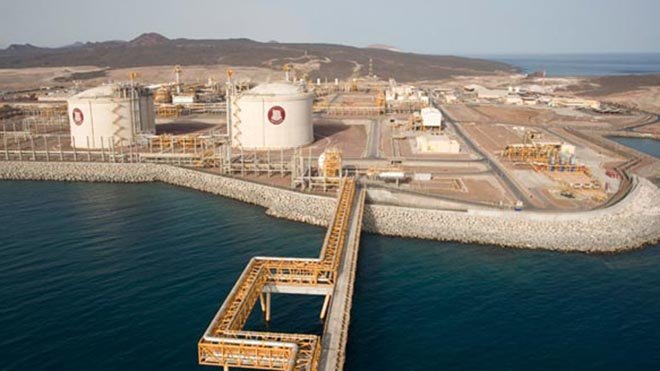
Hadramout’s oil sector experienced widespread disruptions in 2015, leading to a halt in crude oil exports through Al-Dhabba Port, amid the escalation of the war in Yemen and the deterioration of security and economic conditions. The suspension of exports affected production, transportation and storage operations, and reduced the flow of oil revenues to the state, while operating companies faced mounting challenges in safeguarding facilities and technical personnel. This development marked the beginning of a new period of instability in a sector that had represented one of the country’s leading sources of national income.
Escalating war and its impact on the oil sector
Yemen entered a period of widespread armed conflict in 2015, as military confrontations escalated and the Saudi-led coalition intervened militarily in March of that year.
These developments affected the oil sector, which depends on stable field operations, the availability of transportation and supply services, the ability of tankers to reach export ports, and the continuation of financial and commercial dealings with foreign markets.
In Hadramout, oil fields and export facilities faced difficult operating conditions, as government institutions and companies became less able to manage economic activity normally.
Fall of Mukalla and worsening security conditions
On April 2, 2015, Al-Qaeda in the Arabian Peninsula took control of Mukalla, the capital of Hadramout Governorate, and a number of government and security facilities there.
This development further complicated the security situation along the Hadramout coast, at a time when the country was experiencing the widespread collapse of state institutions and mounting risks to economic activities.
Nevertheless, the halt in oil exports cannot be attributed solely to the group’s control of Mukalla; the factors included the war, disruption to export arrangements, and the deterioration of the country’s security and commercial environment.
Suspension of exports and restrictions on production
The disruption of exports made it difficult to market the crude produced, affecting production and storage rates and operating plans at the fields.
Conditions across the oil sector varied during that period; a halt in exports does not necessarily mean that all wells and facilities stopped operating at the same time. Some technical operations or maintenance and equipment-preservation work may continue even when commercial production is suspended or reduced.
In the Masila sector, safeguarding the facilities, pipelines and Al-Dhabba terminal was especially important to ensure that operations could resume when conditions improved.
Economic repercussions for the state and Hadramout
Oil exports stopped at a time when Yemen’s public finances were under severe pressure as a result of the war, the disruption of economic activity and declining revenues.
Before the war, oil was one of the main sources of foreign currency and government revenue; its export disruption therefore dealt a further blow to the state’s ability to finance its obligations.
Locally, disruption in the sector affected activities linked to oil services, contracting, transportation and employment opportunities. It also underscored the importance of discussion about Hadramout’s share of the proceeds from its natural resources.
However, determining the financial losses specifically incurred by Hadramout or the Masila sector in 2015 requires actual production, export and price data; no reliable figure can be derived from the duration of the suspension alone.
Preserving facilities in preparation for resuming activity
Despite the difficult conditions, preserving oil infrastructure remained a technical and economic priority, given the high cost of rehabilitating facilities if they were damaged or maintenance work was halted for long periods.
Challenges included keeping essential facilities operational, securing fuel and spare parts, protecting transportation lines and equipment, and retaining national technical expertise.
The fact that parts of the infrastructure remained operational helped create conditions for a limited resumption of exports in subsequent years, although the sector remained vulnerable to recurring security and political fluctuations.
Historical impact of the event
2015 represents a turning point in the history of Hadramout’s oil sector, as it shifted from facing the usual challenges of production and investment to a crisis linked to the war and the disruption of exports.
The event also revealed how closely oil revenues are tied to the stability of government institutions, seaports and transportation networks, and showed that having reserves and facilities does not guarantee continued revenue in the absence of suitable security and commercial conditions.
Since that year, restoring oil exports and safeguarding the Masila and Al-Dhabba facilities have become among the most prominent economic issues related to Hadramout.