
Hadramout Protection Forces Deploy in Al Masila Oil Fields Amid Rising Military Tensions
The Al Masila oil fields in Hadramout saw a deployment on the morning of Saturday, November 29, 2025, by the Hadramout Protection Forces, affiliated with the Hadramout Tribal Alliance, which announced that it was securing the oil facilities and protecting the governorate’s resources. In contrast, the Second Military Region Command accused the deployed forces of storming sites belonging to the Companies Protection Forces and attacking them, revealing an escalation in the military dispute over control of strategic facilities.
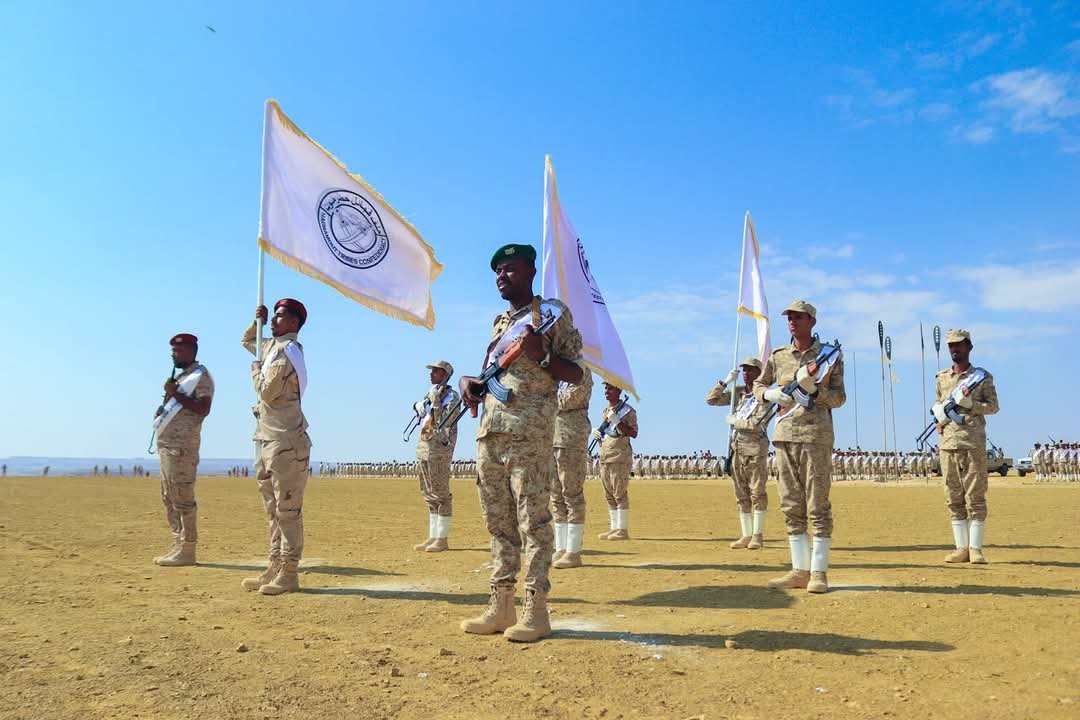
The Hadramout Plateau witnessed a significant field development on Saturday, November 29, 2025, after the Hadramout Tribal Alliance announced the deployment of units of the Hadramout Protection Forces at the facilities of the Al Masila oil fields. The move sparked an open dispute with the Second Military Region Command and heightened tensions over the management and protection of one of the governorate’s most prominent economic and strategic sites.
The moves came two days after the Alliance’s Al Ulayb meeting, held on November 27, during which it announced positions opposing the entry of forces from outside the governorate, while stressing the need to empower the people of Hadramout to protect their land and resources.
As the Hadramout Protection Forces moved to sites associated with the oil sector, the escalation took on a more clearly defined field dimension, having previously centered mainly on political and military statements and positions.
Alliance Announces Securing of Oil Facilities
The Hadramout Tribal Alliance issued a statement announcing that units of the Hadramout Protection Forces had moved on Saturday morning to secure the facilities of the Masila oil fields. It explained that the purpose of the move, according to its position, was to enhance security and protect national wealth from attacks or external interference.
The Alliance affirmed that the oil facilities represent national wealth that should be preserved, and that its forces’ movements were taking place under the auspices of the internationally recognized Yemeni state.
It also announced that conditions inside the fields were stable and that the work of the oil companies was continuing as usual, saying that the deployed forces had come to reinforce the duties of the entities already tasked with protecting the facilities.
It pledged not to allow any acts of sabotage targeting the fields or disrupting the activities of the companies operating there.
Position of the Second Military Region
In contrast, the Second Military Region Command issued a different account of what happened at Masila, accusing armed groups affiliated with the head of the Hadramout Tribal Alliance, Sheikh Amr bin Habrish, of attacking sites belonging to the Companies Protection Forces and storming locations inside the facilities of PetroMasila.
The military command said the movements constituted a dangerous escalation that threatened the security of the oil facilities and the stability of the governorate, affirming its rejection of any attack on the forces tasked with protecting these sites.
The differing statements reveal a direct dispute over the nature of the military deployment and the authority of the forces responsible for securing the facilities.
While the Alliance described its forces’ move as a measure to protect national wealth and enhance security, the Second Military Region regarded what happened as a storming of sites under the protection of official forces.
The conflicting statements alone are not sufficient to establish all the details of the field confrontation or to conclude that widespread clashes took place on the morning of November 29; the claims made by each party should therefore be distinguished from facts that have been independently verified.
Strategic Importance of the Al Masila Oil Fields
The Al Masila oil fields are among Yemen’s most important oil-producing areas and include operational facilities, service facilities, and infrastructure linked to the energy sector and the national economy.
For this reason, any change in the military deployment inside or around the fields carries significance beyond the security dimension, given the facilities’ connection to oil production, fuel supplies, and the interests of workers and companies.
The fields are also located in the Plateau region, which saw growing competition for military influence and strategic sites in late 2025.
The moves took place within the broader context of disputes over the future of security and military administration in Hadramout, and local demands for the protection of the facilities to be entrusted to forces from the governorate.
These demands intersected with the positions of different political and military forces on deployments along the coast, in the valley, and in the desert, making the Masila issue one of the most sensitive files during that period.
Impact of the Military Deployment
The announcement of the Hadramout Protection Forces’ deployment prompted growing warnings of the possibility of a military confrontation around the oil facilities, amid the presence of multiple forces and formations with differing positions on control and protection.
The developments also highlighted the risks of political disputes reaching vital economic sites and the potential consequences for operations, investment, and public services.
Although the Alliance announced that company operations were continuing normally on November 29, this statement does not mean that all operations remained stable in the following days; the area saw further developments that required political interventions and mediation to contain the tension.
On December 3, 2025, an agreement between the Hadramout Tribal Alliance and the local authority was announced under Saudi sponsorship. It included a halt to the escalation and the redeployment of forces around PetroMasila facilities.
The agreement stipulated that Alliance forces withdraw to an outer perimeter at least one kilometer from the company, that the Companies Protection Forces return to their former positions, and that arrangements be made for employees to return to work.
It also included arrangements to reorganize the force tasked with protecting the oil facilities, reflecting the scale of the dispute sparked by the military deployment in late November.
Significance of the Event in the Timeline
November 29, 2025, represents one of the key milestones in Hadramout’s security and military developments, as tensions shifted from statements and warnings to an announced field deployment in a strategic oil region.
It also exposed the public dispute between the Hadramout Tribal Alliance and the Second Military Region Command over the legitimacy of the deployment and control of sites protected by the Companies Protection Forces.
The event was not merely a limited change in guard posts; it became part of a broader struggle over security management, resources, and military influence within the governorate, in a period preceding the major developments that Hadramout witnessed in December 2025.
The deployment of the Hadramout Protection Forces in the Al Masila fields is thus recorded as a pivotal event at the beginning of the crisis and a prelude to a series of moves, mediation efforts, and field changes that reshaped the governorate’s security and military landscape.