
Al Mukalla Port: From Sailing Ships to Hadramout’s Commercial Gateway Through the Centuries
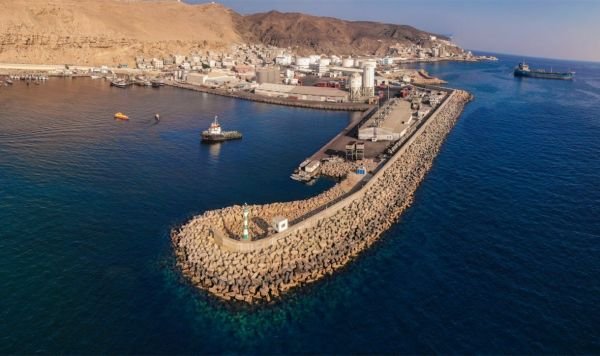
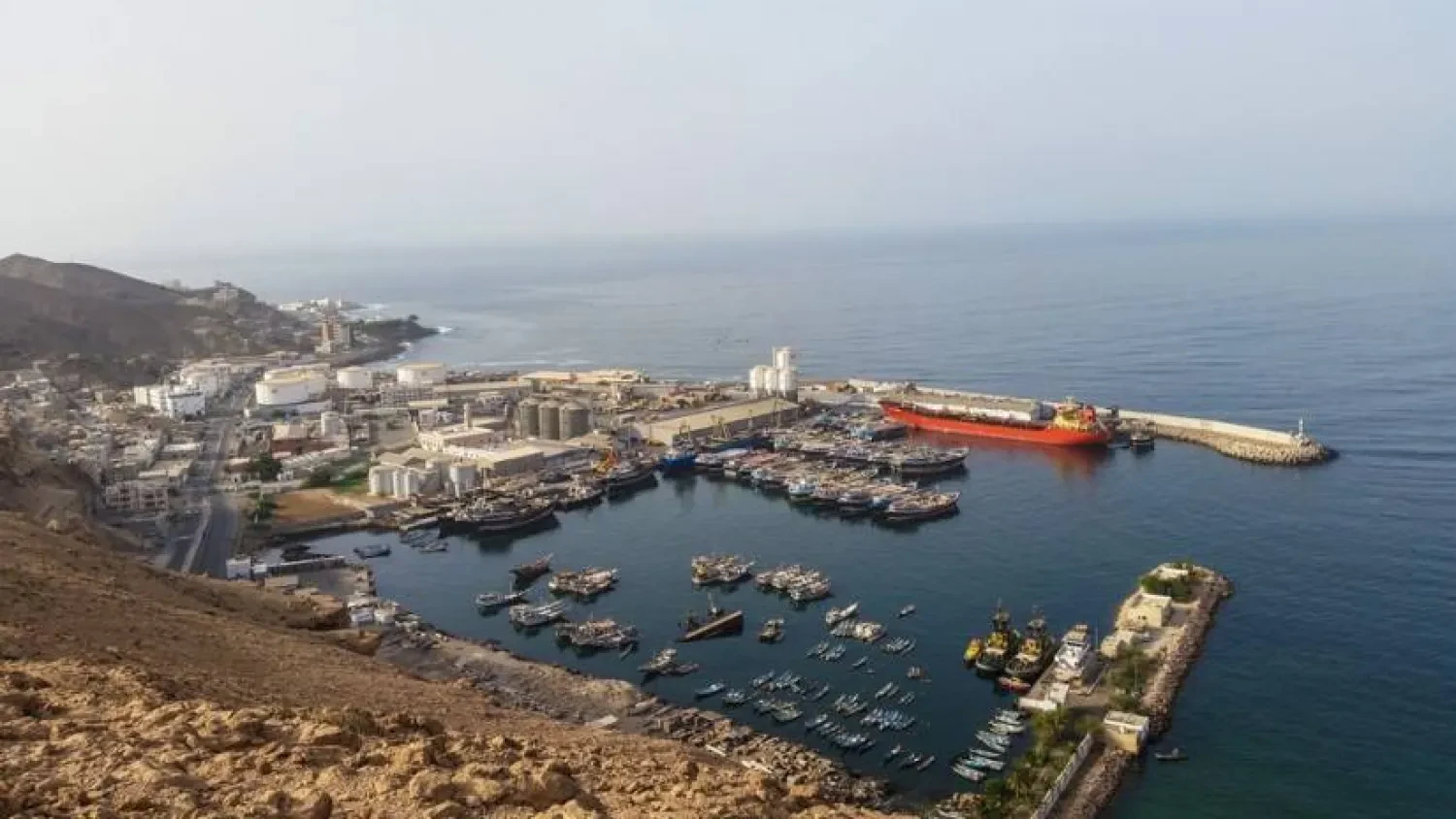
Al Mukalla Port is one of the most prominent testaments to Hadramout’s maritime and economic history. It developed from a small anchorage for sailing ships into a major commercial port connecting the governorate to the outside world. It went through successive phases of expansion, most notably the construction of the old piers in the early 20th century and the opening of the modern port in the Khalf area in 1985, and continues to play a role in trade and supply movements.
- Date
- January 1985
- Place
- Al Mukalla Port, Al Mukalla City
- Ago
- 41 years ago
Historical background
Since ancient times, Hadramout’s history has been linked to maritime navigation and trade across the Indian Ocean, benefiting from its location on the Arabian Sea coast, which served as a point of connection between the Arabian Peninsula, India and East Africa.
The ports of Al-Shihr, Brum and Mukalla, along with other coastal harbors, played varying roles in receiving ships and transporting goods and passengers, while Al-Shihr Port retained a prominent commercial position over long periods of history.
As Mukalla grew and its commercial activity expanded during the 18th century, its maritime standing began to strengthen gradually, particularly during the rule of the Al-Kassad family, before undergoing a greater transformation after it came under Qaiti rule in 1881.
Mukalla’s natural location and its connection to the areas of Wadi Hadramout helped its commercial activity develop, and it later became the governorate’s main port, marking an economic shift that helped change the city’s character and its commercial relations.
Details
Early beginnings... a small anchorage on the Arabian Sea
Documents on the historic city of Mukalla, which is on UNESCO’s Tentative List, indicate that the site was used as a small port from the 11th century AD, with a reference to its activity in 1035 AD.
The anchorage served boats and ships carrying goods between the coast and inland areas, before settlements and markets developed around it.
With the establishment of the Al-Kassad emirate in 1703, Mukalla gained greater commercial and urban importance, and its port became part of the maritime network connecting Hadramout to the ports of the Indian Ocean.
The 19th century... Mukalla as a hub for trade and navigation
During the 19th century, Mukalla Port saw increasing commercial activity and began attracting the attention of naval powers operating in the Indian Ocean.
The Yemen Arabian Sea Ports Corporation says the British established a coal depot in Mukalla in 1829, making it a supply station for passing ships for a limited period.
In 1834, British officer Stafford Haines surveyed the Hadrami coast and described Mukalla as a commercial city with a suitable port for ships to anchor, noting its maritime and commercial exchange activity.
This period reflected the port’s growing importance as a maritime outlet connecting Hadramout to foreign markets.
The Qaiti era... the shift of commercial activity to Mukalla
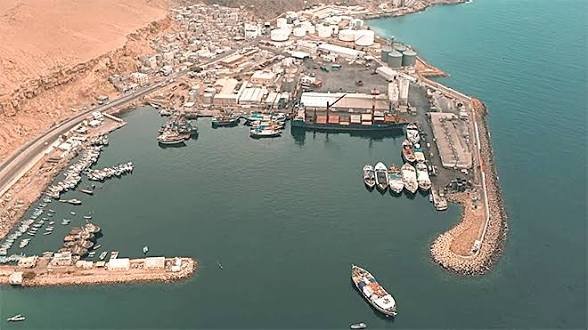
Mukalla’s coming under Qaiti rule in 1881 marked a turning point in the history of the city and its port, as it underwent urban, administrative and commercial expansion.
By the early 20th century, Hadramout’s main port activity gradually shifted from Al-Shihr to Mukalla, which became more closely connected to commercial shipping and customs administration.
Between 1903 and 1905, construction of a small port pier was completed, after which warehouses for goods were built and customs and administrative procedures were organized.
These developments marked the beginning of the port’s transition from a traditional anchorage relying on small boats to a more organized commercial facility.
How were ships’ goods unloaded in the past?
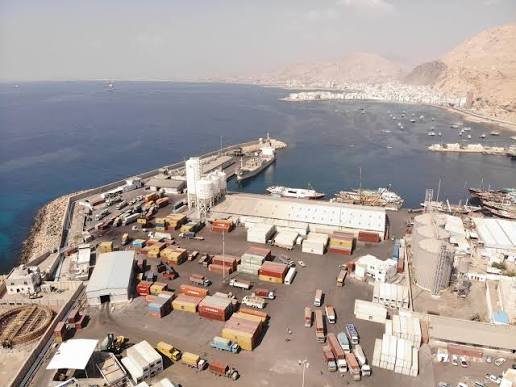
Before the modern port was built, large commercial ships could not dock directly alongside piers equipped to receive them.
Ships stopped in the anchorage area, away from shore, and their cargo was then transported by small wooden boats to the old pier, where workers unloaded it and moved it to warehouses and markets.
This method continued for decades, despite the time and effort it required and its susceptibility to sea and wind conditions.
The port continued to rely on this system until the modern facility in the Khalf area opened in 1985.
January 1985... opening of the modern port in Khalf
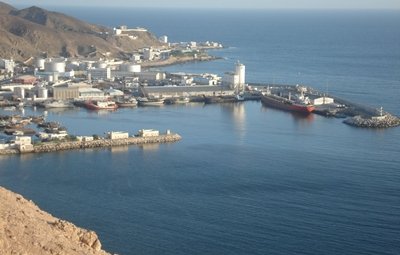
January 1985 marked a pivotal milestone in Hadramout’s maritime history, with the opening of the modern Al Mukalla Port in the Khalf area, east of the city.
The port was designed as a multipurpose facility serving commercial cargo movements, fishing activities and petroleum products, and providing piers that allowed ships to dock directly instead of relying entirely on small boats.
According to the Yemen Arabian Sea Ports Corporation, the basic designs were prepared to receive ships with capacities of up to approximately 10,000 tons, taking draft limits into account. However, commercial demand later prompted the port to handle larger ships within the available technical constraints.
The port’s opening helped improve cargo-handling operations and expand its capacity to receive maritime supplies, making it one of Hadramout’s most important economic facilities.
2007... a new phase in port management
The Yemen Arabian Sea Ports Corporation was established in 2007 to manage and operate a number of ports on the Arabian Sea, including Al Mukalla Port, Nishtun Port and Socotra Port.
This development marked a shift in the institutional framework for managing the port, through a specialized entity overseeing operations, maritime services and the organization of commercial activity.
Years of war... the port as a lifeline for supplies
With the outbreak of war in Yemen in 2015, Al Mukalla Port became increasingly important for providing essential goods, petroleum products and equipment to the country’s eastern regions.
While Al-Qaeda controlled the city of Mukalla between April 2015 and April 2016, the port was subject to the security and administrative conditions imposed by the group on the city.
Following the recapture of Mukalla on April 24, 2016, the port resumed commercial activity under the management of the government authorities and continued to play a role in meeting the needs of Hadramout and neighboring governorates.
This period underscored the port’s strategic importance, not only as a commercial facility but also as one of the essential lifelines sustaining the flow of supplies during crises.
Historical impact
Al Mukalla Port helped turn the city into a major economic and commercial center on the Hadramout coast and strengthened the governorate’s links to maritime and trade networks across the Arabian Sea and the Indian Ocean.
It also helped stimulate local markets and provide employment in transport, unloading, storage, customs and maritime services, as well as serving to receive goods and export products.
The opening of the modern port in 1985 marked an important advance in maritime infrastructure, enabling commercial ships to dock directly and cargo-handling operations to be developed.
The port’s historical importance is evident in its ability to endure through different political and economic periods, from sultanate rule to the modern state and through the years of war, retaining its position as a vital outlet for Hadramout and neighboring governorates.