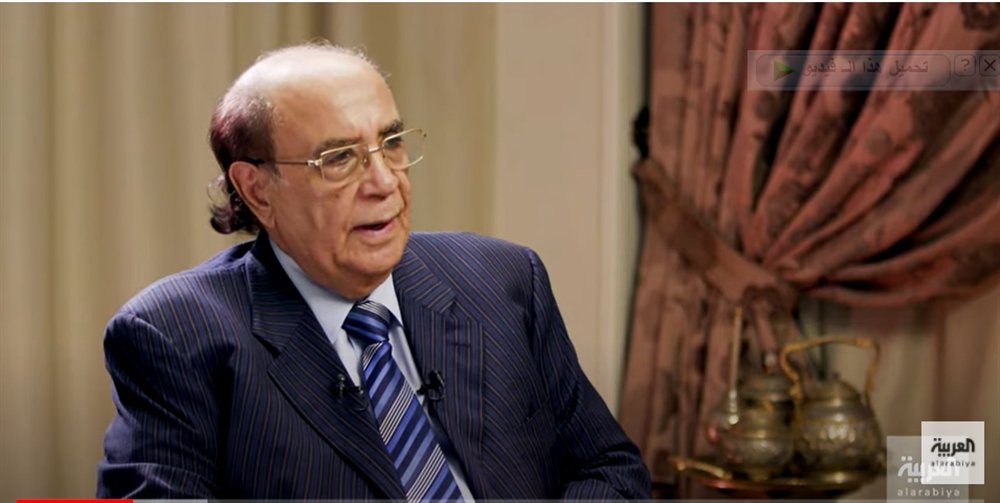
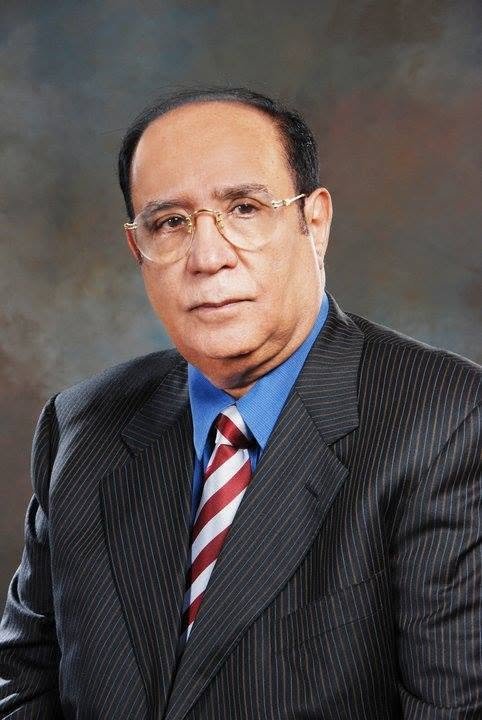
Haidar Abu Bakr al-Attas
Politician Born: 5 April 1939, Haridah – Hadramout Haridah
Haidar Abu Bakr al-Attas, a Yemeni politician and engineer from Hadramout Governorate, was born in 1939 and is considered one of the figures who held leadership positions in the history of South Yemen and the Republic of Yemen during the final decades of the twentieth century. He held multiple ministerial and executive positions in the People's Democratic Republic of Yemen and served as prime minister, then as president of the Presidium of the Supreme People's Council, the position that represented the head of state in South Yemen. Following the announcement of Yemeni unity on May 22, 1990, he became the first prime minister of the Republic of Yemen and remained in office until 1994. His career was associated with the political stages Yemen experienced before and after unity, including the transformations within
Biography
Birth and upbringing
Haidar Abu Bakr al-Attas was born on April 5, 1939, in the city of Haridah in Hadramout Governorate. He grew up in a Hadrami family associated with trade and migration to Southeast Asia.
He received his early education in Hadramout and, during his youth, was influenced by the political and social changes the region experienced in the final years of the British presence in South Yemen.
Education and academic formation
Al-Attas continued his studies in the Arab Republic of Egypt and earned a bachelor's degree in electrical engineering from Cairo University.
He had participated in anti-British colonial student activism, and among its most notable episodes was his participation in student protests in the city of Mukalla in 1962.
Beginning of political activity
He began his political activity during his youth and participated in the establishment of the Hadramout branch of the Arab Nationalist Movement in 1960. He then joined the National Front, which led the struggle against the British presence in South Yemen.
After the South gained independence on November 30, 1967, he gradually moved into government work and became one of the figures who assumed executive responsibilities in the new state.
Ministerial work
Al-Attas was appointed Minister of Public Works and Transport in the People's Republic of Southern Yemen in 1969.
He later held other ministerial portfolios, including the Ministry of Construction in 1977, while advancing through leadership positions in the National Front and then the Yemeni Socialist Party.
Prime minister of South Yemen
In February 1985, al-Attas became prime minister of the People's Democratic Republic of Yemen during the presidency of Ali Nasser Mohammed.
His appointment came at a time of mounting disagreements within the leadership of the Yemeni Socialist Party, which culminated in the bloody clashes that erupted in Aden in January 1986.
President of the Presidium of the Supreme People's Council
Following the events of January 1986, al-Attas became president of the Presidium of the Supreme People's Council, a position that represented the head of state in South Yemen's political system.
He remained in this position until Yemeni unity was established on May 22, 1990, making him the last head of state of the People's Democratic Republic of Yemen before unity.
Prime minister of the first government of the Republic of Yemen
With the announcement of unity between the Yemen Arab Republic and the People's Democratic Republic of Yemen on May 22, 1990, al-Attas was appointed prime minister of the first government of the Republic of Yemen.
His government began work on May 24, 1990, and remained in office until May 1993. He then headed a new government formed after the parliamentary elections.
This period saw the integration of government institutions in the two parts of the country, alongside escalating political disagreements among the forces participating in government.
The political crisis and the 1994 summer war
Disagreements between the partners in unity escalated between 1993 and 1994, ending in a military confrontation between forces belonging to the authorities in Sana'a and forces loyal to leaders of the Yemeni Socialist Party.
During the war, al-Attas headed the government of the Republic of Yemen, which was declared unilaterally on May 21, 1994, with Ali Salem al-Beidh as its president.
The war ended in July 1994 with Yemeni government forces taking control of Aden, and al-Attas left Yemen for abroad.
Post-war period
Al-Attas continued his political activity from outside Yemen and participated in discussions and initiatives related to the southern issue and the future of Yemen's political system.
In 1998, he was sentenced to death in absentia in connection with the events of 1994, before being included in a presidential amnesty in 2003.
His name remained present in political discussions concerning the history of Yemeni unity and developments in the southern issue.
Works
1. Participation in national activity before independence He participated in establishing the Hadramout branch of the Arab Nationalist Movement in 1960 and was involved in student and political activity opposing the British presence in South Yemen. 2. Appointment as Minister of Public Works and Transport He was appointed Minister of Public Works and Transport in 1969, one of his first executive responsibilities after independence. 3. Appointment as Minister of Construction He served as Minister of Construction in 1977 as part of his ministerial career in the People's Democratic Republic of Yemen. 4. Membership in the leadership bodies of the Yemeni Socialist Party He advanced through organizational positions in the National Front and the Yemeni Socialist Party, eventually becoming a member of the Political Bureau. 5. Prime minister of South Yemen He became prime minister in February 1985 and remained in office until 1986. 6. Head of state in South Yemen He served as president of the Presidium of the Supreme People's Council between 1986 and 1990 and was the last head of state in the South before Yemeni unity. 7. Prime minister of the first government after unity He became prime minister of the first Council of Ministers of the Republic of Yemen in May 1990, during the transitional period that followed the unification of Yemen's two parts. 8. Head of government after the 1993 elections He continued as prime minister in the government formed after the 1993 parliamentary elections, until the political crisis that ended in the 1994 war. 9. Participation in the political events of 1994 He headed the government of the entity that declared secession unilaterally during the 1994 summer war, before the war ended in July of that year. 10. Political activity after leaving Yemen After leaving the country in 1994, he continued to participate in political discussions and meetings related to the southern issue and Yemen's political transformations.
Photos