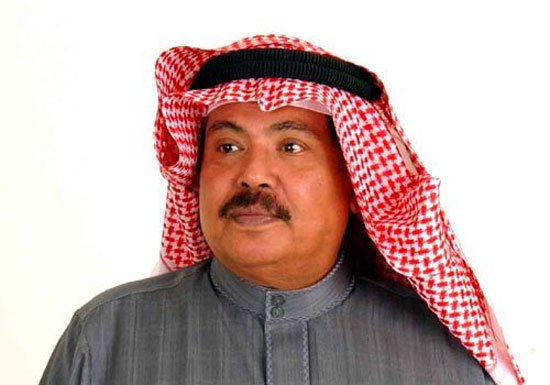
Abu Bakr Salem Balfaqih
Artist and poet Born: 17 March 1939, Tarim – Hadramout Died: 10 December 2017 Tarim
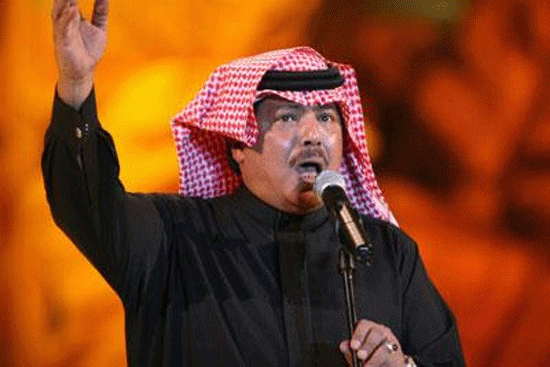
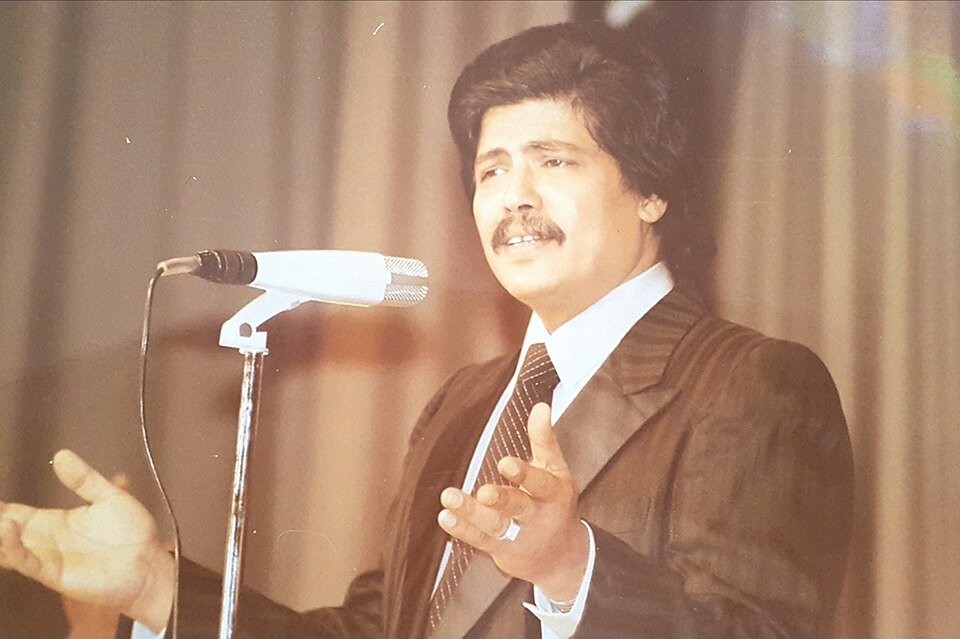
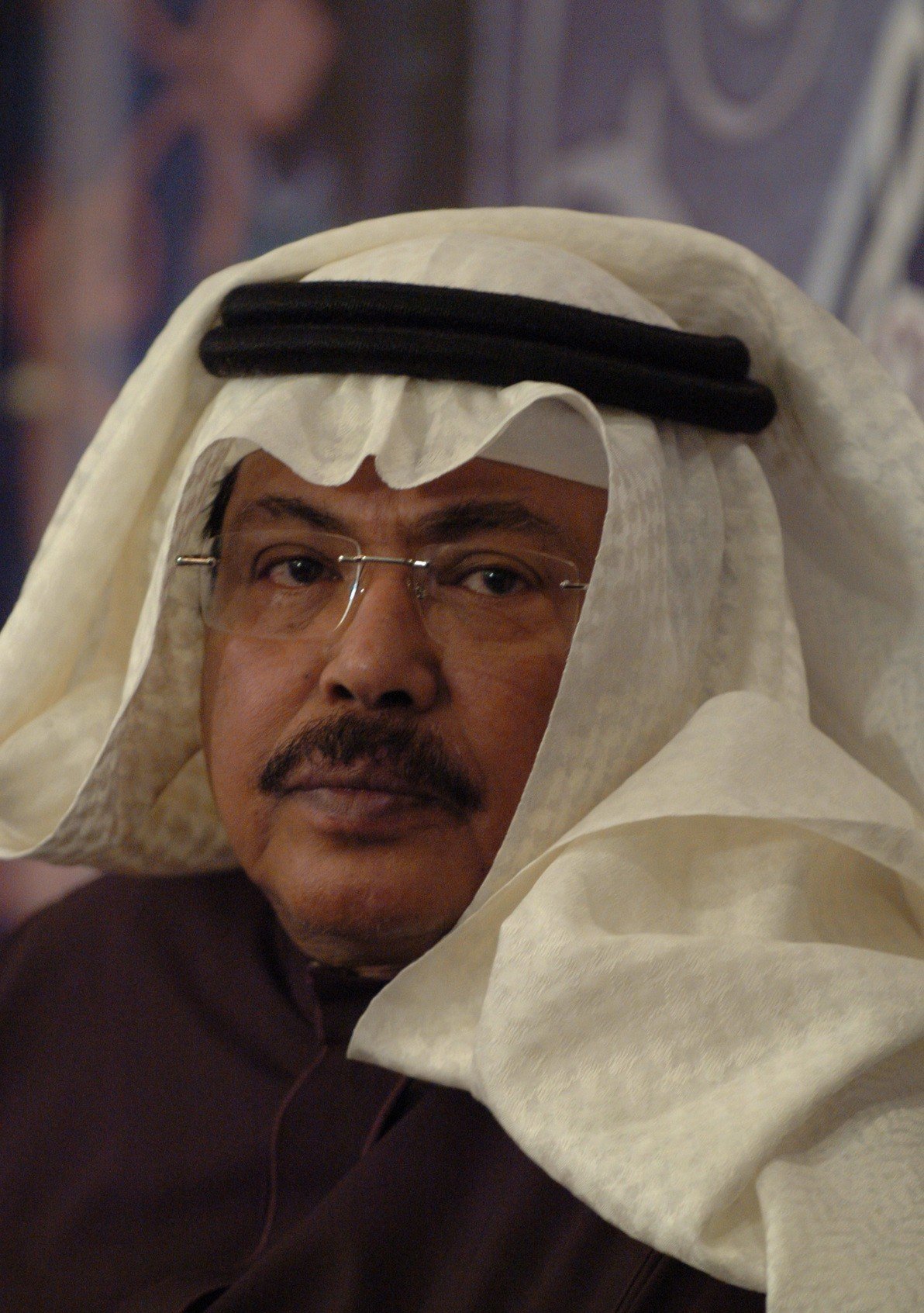
Abu Bakr Salem Balfaqih, a Yemeni artist, singer, composer and poet from the city of Tarim in Hadramout Governorate, was born on March 17, 1939. He is considered one of the most prominent voices that helped spread Hadrami and Yemeni song across the Arab world during the second half of the twentieth century. He was distinguished by his wide vocal range and his ability to perform Hadrami, Gulf and Arab musical styles. Throughout his career, he combined singing, composing and writing poetry, in addition to his mastery of performing classical Arabic poems and folk songs. His artistic career spanned more than five decades, during which he presented a variety of songs and received artistic honors and awards, before his death in the Saudi capital, Riyadh, on December 10, 2017.
Biography
Birth and upbringing
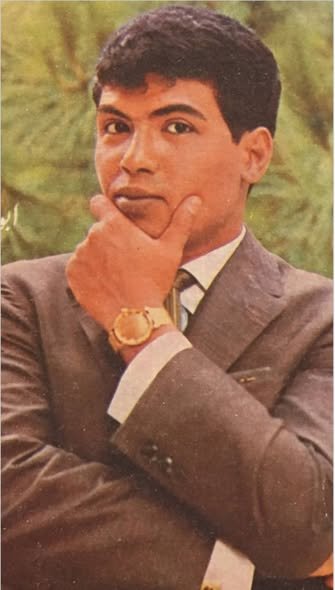
Abu Bakr Salem Balfaqih was born on March 17, 1939, in the historic city of Tarim in Wadi Hadramout. He grew up in a family known for its interest in learning, literature and poetry.
His father died when he was a child not yet a year old, and his grandfather and family members took care of him. He received his early education in Tarim, where his vocal talent emerged at a young age through reciting the Holy Quran and performing religious chants.
Education and the beginning of his professional life
He studied at Al-Ikhwan School in Tarim and learned the basics of science and Arabic. He then worked as an Arabic-language teacher in Tarim and Aden before moving into the arts.
Growing up in Hadrami cultural surroundings helped shape his poetic and musical tastes. He was influenced by the religious chants, muwashshahat and musical styles popular in Hadramout.
Artistic beginnings in Aden
In the mid-1950s, he moved to the city of Aden, which was experiencing growing radio and artistic activity, and began connecting with poets, composers and artists.
In 1956, he recorded the song “Ya Ward Ma Ahla Jamalak” (O Rose, How Beautiful You Are) for Aden Radio. He wrote and composed it himself, and it was one of his first recorded artistic milestones.
He went on to present other songs, including “Lamma Alaqi Al-Habib” (When I Meet My Beloved), which helped his name gain popularity among listeners.
Move to Beirut and Arab-wide recognition
In 1958, he traveled to the Lebanese capital, Beirut, to record his songs and present them with broader musical arrangements.
Beirut was an important stage in the development of his artistic experience, enabling him to work with musicians and musical ensembles and to rerecord a number of songs he had previously presented in Aden.
Through recordings, radio broadcasts and concerts, his voice reached a wider audience in the Gulf states, the Arabian Peninsula and other parts of the Arab world.
Partnership with Hussein Abu Bakr Al-Mihdhar
Abu Bakr Salem developed a longstanding artistic partnership with the Hadrami poet and composer Hussein Abu Bakr Al-Mihdhar, who wrote and composed a large number of the songs Abu Bakr Salem performed.
This collaboration produced songs about love, longing, exile, loyalty and attachment to the land and Hadrami identity.
The partnership helped bring Hadrami song to a broad Arab audience while preserving some of its poetic and musical characteristics.
Settling in Saudi Arabia
During his career, Abu Bakr Salem moved among several Arab cities, including Aden, Beirut, Jeddah and Cairo, before settling in Saudi Arabia and obtaining its citizenship.
He continued his artistic activity by recording albums, performing concerts and taking part in festivals, remaining connected to Hadrami and Yemeni song while also presenting Gulf and Arab works.
The diversity of his artistic experience
Abu Bakr Salem's experience was not limited to a single musical style. He performed Hadrami, Adeni, Sanaani and Gulf songs, as well as poems written in classical Arabic.
In a number of his works, he combined writing lyrics, composing and performing. He also sang works by other poets and composers and presented national, social and romantic songs.
Later years and death
Abu Bakr Salem maintained his artistic presence during the final decades of his life, although his direct participation declined during some periods for health reasons.
He died on Sunday, December 10, 2017, in the Saudi capital, Riyadh, at the age of 78, after an artistic career spanning nearly six decades.
He left behind recordings and songs that continue to be broadcast and performed by artists from different generations, keeping his work among the prominent milestones in the history of Hadrami, Yemeni and Gulf song.
Works
1. Spreading Hadrami song across the Arab world He helped bring Hadrami song to a wider audience through radio recordings, albums and concerts, presenting its melodies with a variety of musical arrangements. 2. Developing vocal performance He was distinguished by his ability to move between vocal registers and perform different musical styles in a manner that combined traditional performance with modern musical arrangements. 3. Artistic partnership with Hussein Abu Bakr Al-Mihdhar He performed a large number of poems and melodies written by Al-Mihdhar. This collaboration helped popularize songs that became part of Hadrami and Arab artistic memory. 4. Writing poetry and composing He wrote and composed a number of his songs, including “Ya Ward Ma Ahla Jamalak” (O Rose, How Beautiful You Are), one of his first works recorded for Aden Radio in 1956. 5. Presenting the different styles of Yemeni song He performed works from the Hadrami, Adeni and Sanaani traditions and helped introduce audiences in the Gulf and the Arab world to the diversity of Yemeni music. 6. Taking part in Arab festivals and concerts He performed concerts and took part in artistic events in a number of Arab countries, maintaining his presence on the music scene for many decades. 7. Collaborating with Arab poets and composers He worked with a number of poets and composers, in addition to his collaboration with Al-Mihdhar, and presented works that varied in their lyrics, melodies and artistic styles. 8. Influencing later generations of artists His works became a performance reference for a number of singers, and artists from different generations performed some of his songs, reflecting the continued circulation of his artistic output. 9. Producing an extensive body of songs He left hundreds of recordings and songs, including romantic, national and traditional songs, as well as poems in classical Arabic. 10. Receiving artistic honors He received honors and awards during his career in recognition of his contributions to singing and composition. Cultural and media institutions also paid tribute to him after his death.
Photos