
Hadrami Migration to East Asia… A Journey That Forged a Commercial and Cultural Presence Across the Centuries
The migration of Hadramis to Southeast Asia was one of the most significant chapters in Hadramout’s social and economic history. Their journeys crossed the Indian Ocean to Indonesia, Malaysia, Singapore and other areas. Hadrami migrants contributed to trade, education, and religious and social life, and established communities that maintained their ties to Hadramout despite the passing of generations.
- Date
- 1848
- Place
- Indonesia, Malaysia and Singapore
- Ago
- 178 years ago
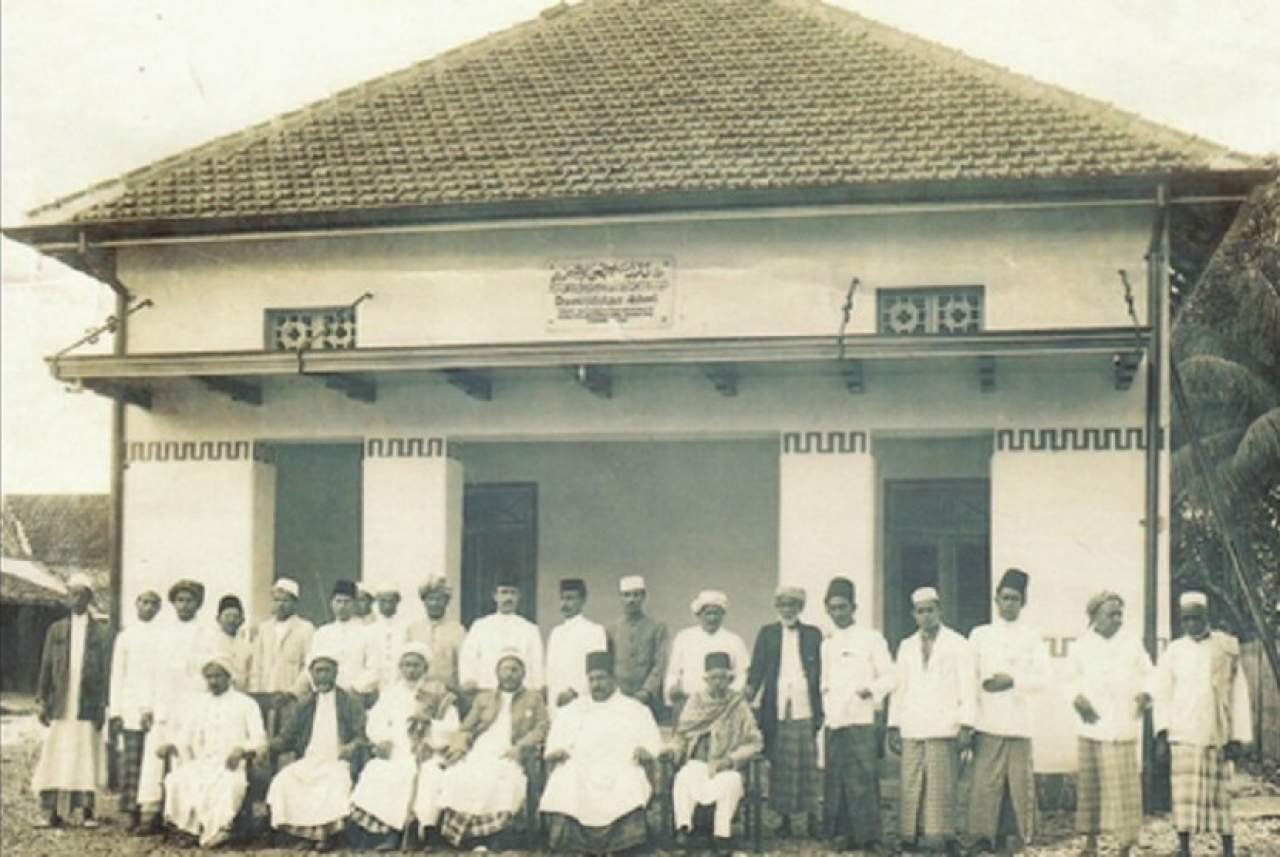
Historical background
For centuries, Hadrami society has been connected to maritime navigation and trade across the Indian Ocean, taking advantage of Hadramout’s location near trade routes linking the Arabian Peninsula with India, East Africa and Southeast Asia.
Economic conditions, limited resources in some areas of Hadramout, and political and social upheavals encouraged some residents to seek opportunities to live and work outside their homeland.
As maritime trade networks expanded, Southeast Asian ports became important destinations for Hadrami migrants, who relied on family, commercial and religious ties to facilitate their travel and settlement.
Hadrami presence in the region dates back to ancient times, but migration expanded notably during the eighteenth and nineteenth centuries and grew in importance with the development of the region’s commercial ports.
Details
Early beginnings… Journeys across the Indian Ocean
Hadramis have traveled to areas around the Indian Ocean for centuries. India was among the most prominent destinations connected to their trade and migration, before their networks expanded toward the Malay Archipelago.
Studies point to ancient Arab contacts with Southeast Asia, but the scale of Hadrami migration and permanent settlement in early periods remains a subject of research because of the limited availability of documents and statistics.
Large-scale Hadrami migration, documented more clearly, emerged during the nineteenth and twentieth centuries.
The nineteenth century… The expansion of Hadrami migration
The nineteenth century saw a major expansion in Hadrami migration, alongside the growth of commercial ports in Southeast Asia and developments in maritime navigation.
The opening of the Suez Canal in 1869 and the spread of steamships helped facilitate travel and communication across the Indian Ocean region.
Migrants headed to cities such as Batavia, now known as Jakarta, Surabaya, Singapore and Penang, where they established commercial and social networks that helped newcomers settle and find work.
Indonesia… Trade, education and social life
The islands of Indonesia became one of the most important centers of Hadrami presence outside the Arabian Peninsula, with migrants settling in multiple cities and commercial ports.
Many worked in the trade of fabrics, spices and imported goods, while others turned to education and religious and cultural activities.
Over generations, Hadrami families integrated into local communities through marriage and social interaction, while continuing to preserve their family names and cultural ties.
People of Hadrami descent also took part in the intellectual and political debates that Indonesia experienced during and after the colonial period.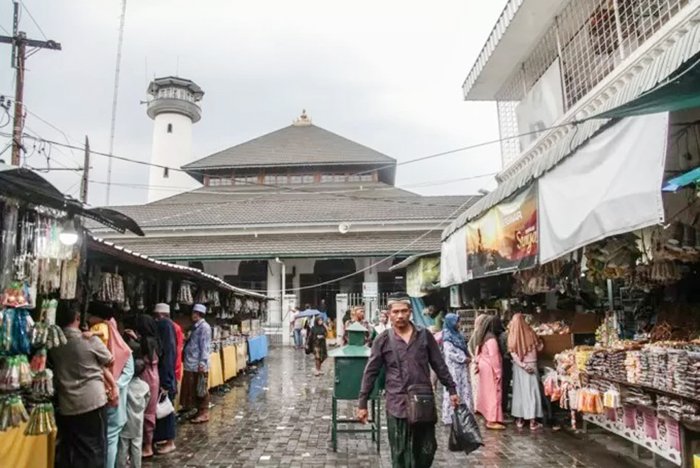
Singapore… The rise of Hadrami trading families
During the nineteenth century, Singapore emerged as an important center for Hadrami traders. Among the most prominent families of Hadrami origin associated with its history were Al Saqqaf and Al Junied.
The Al Saqqaf family established a trading company in 1848 and later expanded into maritime transport and pilgrim transport services between Southeast Asia and Jeddah.
Some Hadrami families also contributed to establishing endowments and educational and religious institutions, leaving a clear mark on the city’s economic and social history.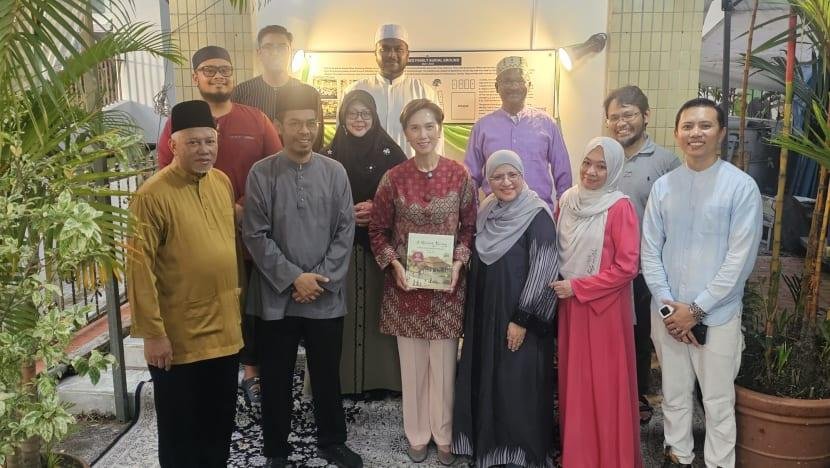
Migration and economic ties with Hadramout
Migrants’ ties to their homeland did not end. Remittances, family visits and trade continued between Hadramout and the countries where they settled.
The money sent by expatriates was an important source of support for their families and helped fund the construction of homes and some commercial, charitable and educational projects.
Historical studies indicate that Hadramout’s economy during the nineteenth century was significantly affected by migrants’ remittances, and that some trading families abroad gained economic influence that affected local life in the towns of the valley.
From temporary migration to settled communities
Some Hadramis initially set out in search of trade and work, but over generations their journeys turned into permanent settlement in the countries where they had migrated.
Communities of Hadrami descent emerged and became part of the national fabric in Indonesia, Malaysia and Singapore, participating in economic, educational, cultural and political life.
Nevertheless, some families continued to maintain family and cultural ties with Hadramout, although the strength and nature of these ties varied from one generation to another.
Historical impact
Hadrami migration to Southeast Asia left effects on both sides of the Indian Ocean and helped shape deep historical ties between Hadramout and Asian communities.
Trade and remittances bolstered the economies of areas in Hadramout, while migrants and their descendants contributed to the development of educational, religious and charitable institutions in the countries where they settled.
Social and cultural interaction also contributed to the emergence of communities with multiple identities, combining Hadrami roots with national belonging to the countries in which they grew up.
Hadrami migration remains one of the clearest examples of the Hadrami community’s ability to build extensive economic and cultural ties that transcended geographical boundaries and continued across generations.