
Seiyun Protests Escalate into Clashes and Gunfire Outside Airport Following Calls in Support of the STC
Seiyun witnessed a new security escalation on Friday, February 6, 2026, after a large demonstration in support of the Southern Transitional Council (STC) was held to protest the council’s dissolution and the military developments in Hadramout in early January. The protests spread to the vicinity of Seiyun International Airport, where gunfire broke out and the Nation’s Shield Forces intervened. This was followed by the detention of a number of participants, reigniting tensions in Wadi Hadramout after weeks had passed since government forces regained control of it.
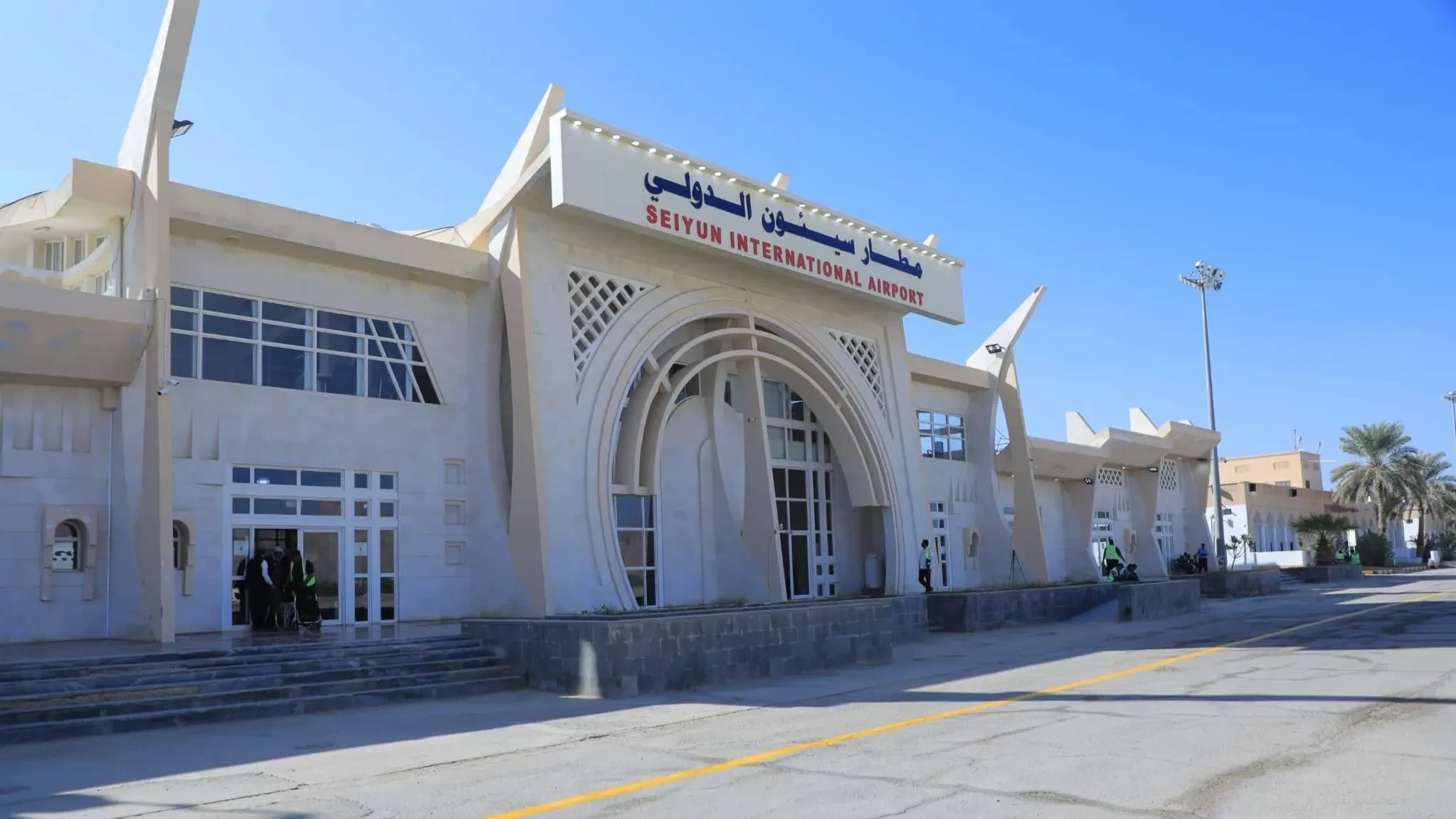
Seiyun Returns to the Center of Tensions
Seiyun returned to the forefront of security and political events in Hadramout on Friday, February 6, 2026, after a public gathering in support of the Southern Transitional Council (STC), in the first wave of widespread protests in the valley following the military shifts at the beginning of the year.
The demonstration came about a month after the Nation’s Shield Forces regained control of the city, its international airport, and key military facilities, following the withdrawal of forces affiliated with the STC.
Participants raised slogans in support of the council and the southern cause, expressing their rejection of the announcement dissolving the council, issued from Riyadh on January 9, and their commitment to its continued political activity.
The developments showed that regaining military control of Seiyun had not ended political and social disagreements over the future of the governorate and arrangements for its governance and security.
Protesters’ Demands and Event Statement
STC supporters organized a public gathering in Seiyun, during which they issued a statement criticizing measures taken against the council’s offices and leaders in Wadi Hadramout.
The statement included a condemnation of what the organizers described as the storming of council offices in the districts of Tarim and Al-Qatn, as well as a raid on the home of local leader Mohammed al-Zubaidi.
Participants also affirmed that they would continue their political activity and reject measures they considered to be targeting the council’s presence in the governorate.
These actions were part of a broader wave of protests in southern cities during February, but they took on particular significance in Seiyun because of their proximity in time to the military events that changed control of the city.
Tensions Spread to Seiyun International Airport
After the main part of the event ended, a number of participants headed to the vicinity of Seiyun International Airport, where they gathered in front of its gate.
According to accounts documented by Human Rights Watch, some protesters demanded that the Yemeni flag be removed from the airport, after participants had taken down the flag and a picture of the Saudi monarch at other locations in the city.
Witnesses who spoke to the organization said gunfire broke out during the gathering at the airport, while one participant said the shots came from the direction of the palm groves east of the facility.
The organization concluded that the Nation’s Shield Forces fired at protesters in the vicinity of the airport, but also documented differences in some witnesses’ accounts about the source of the gunfire.
The published evidence did not provide an independently confirmed death toll for the incident at Seiyun Airport on February 6, so death tolls from other events should not be attributed to it.
Dozens of Participants Detained
Tensions did not end with the airport events; the demonstration was followed by a campaign of detentions targeting a number of participants and STC supporters.
Human Rights Watch said in a report issued on March 17, 2026, that forces linked to the government detained about 35 people during the Seiyun protests or the following day.
The report was based on interviews with participants and former detainees, as well as a review of video footage related to the protests.
The arrests drew criticism from human rights groups, particularly concerning due process guarantees and detainees’ right to know the reasons for their detention and to receive legal protection.
A distinction must be made here between the human rights estimate of the number of detainees and any final official tally, as no published court list resolving the status of all cases was available.
Implications for the Security Situation in Wadi Hadramout
The Seiyun events revived fears of renewed tensions between the security forces and STC supporters, after the governorate had seen relative calm following the recapture of the military camps in January.
The protests showed that control of military sites did not mean an end to the dispute over political representation or the identity of the forces that should take part in governing the governorate.
They also presented the Nation’s Shield Forces with a challenge different from the previous military confrontations: dealing with civilian gatherings and protecting vital facilities while respecting the right to peaceful protest.
The situation became more sensitive because of Seiyun Airport’s role in civilian transport, and the security risks and disruption to services that any clashes in its vicinity could entail.
Protests Spread to Mukalla
The Seiyun demonstration was not an isolated event; Mukalla saw a nighttime demonstration in support of the STC on February 2, followed by a larger gathering on February 10.
These events showed that the council continued to have a popular support base in some areas of Hadramout, despite its loss of military control during January and disagreements over the announcement of its dissolution.
They also revealed that the confrontation had shifted from military camps to the political arena, with tensions continuing between the local authorities and council supporters over gatherings, offices, and political symbols.
February’s protests thus became an indication that the period following the military operations would bring political and human rights challenges, not merely a redeployment of forces.
The Security and Political Significance of the Event
The events of February 6, 2026, mark an important point in the chronology of the Hadramout crisis, revealing a return of tensions to Seiyun about a month after government forces regained control of it.
The event’s significance lies in the shift from a confrontation between military formations to civil protests that saw gunfire and detentions and later drew the attention of human rights organizations.
The incident also highlighted the need to distinguish between protecting military and civilian facilities and guaranteeing freedom of expression and peaceful assembly, while holding accountable any party found to have been involved in the unlawful use of force.
The event is therefore recorded as the beginning of a notable protest and security escalation in Wadi Hadramout during February 2026, and not merely as a passing political event.